


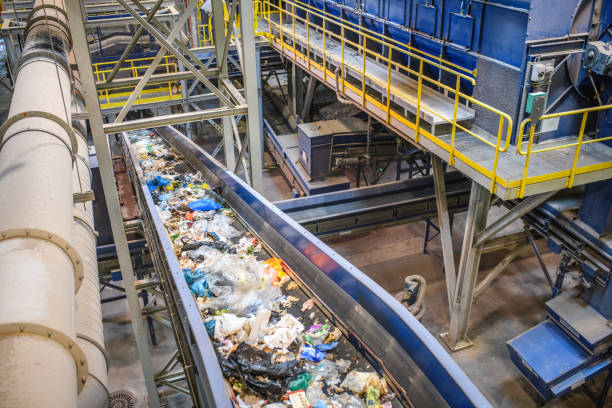
Manufacturing waste can quickly become an operational problem when offcuts, damaged packaging, scrap materials, rejected products, pallets, plastics, and production residues start occupying valuable factory space. Manufacturing waste recovery in Lagos helps businesses separate materials that still have value, arrange proper collection, and move recoverable waste to suitable recycling or processing channels.
For factories operating around Ikeja, Apapa, Oshodi, Ilupeju, Amuwo-Odofin, and other industrial areas, the challenge is often not producing waste—it is getting it removed consistently without disrupting production.
Travo.ng can support businesses with scheduled pickups, transport coordination, cargo movement, and logistics arrangements for recoverable manufacturing materials across Lagos.
What Manufacturers Can Recover Instead of Throwing Away
Not every factory waste stream should end up in general refuse. Depending on the type of operation, recoverable materials may include:
- Metal scraps and fabrication offcuts
- Cardboard cartons and paper packaging
- Plastic containers and production plastics
- Wooden pallets and crates
- Glass bottles and containers
- Packaging film and wrapping materials
- Reusable drums and containers
- Damaged but recoverable production materials
The first practical step is separating these materials at the point where they are generated.
When metal, cardboard, plastics, food-contaminated waste, and general refuse are mixed together, recovery becomes more difficult. Clearly labelled holding areas or containers can make collection faster and reduce unnecessary handling.
Factory Waste Collection Needs a Reliable Schedule
A common mistake is waiting until the waste holding area is full before arranging transportation.
In Lagos, this can create problems quickly. A factory producing several bags, pallets, or bins of recoverable waste every day may lose useful storage or loading space within a week.
A better arrangement is based on actual waste volume. A smaller manufacturer may require weekly collection, while a high-volume production facility may need pickups several times per week.
Travo.ng can help coordinate appropriate vehicles and collection schedules so businesses do not have to start looking for transport each time materials accumulate.
Lagos Traffic Should Be Considered Before Pickup
Timing matters when planning manufacturing waste recovery in Lagos.
A truck collecting materials from an industrial site in Ikeja and moving toward a recovery facility around another part of Lagos can lose several hours if the movement falls into peak traffic.
Factories should also consider their own loading schedules. Sending a recovery vehicle during the same period that raw materials are arriving can create congestion at the gate or loading bay.
Where possible, pickups should be arranged around production shifts, warehouse activity, and known traffic conditions. Early-morning collections or planned off-peak movements can sometimes make operations easier.
Separate Hazardous Materials From Ordinary Recoverable Waste
Manufacturers should be particularly careful with chemicals, oils, solvents, contaminated containers, batteries, and other potentially hazardous materials.
These should not simply be loaded together with cardboard, plastics, metal scraps, or general factory waste. They may require specialised handling, documentation, storage, and disposal arrangements.
Before transport is booked, the factory should clearly identify what is being moved. Providing information about the material type, approximate weight, packaging, pickup location, and destination helps determine the appropriate logistics arrangement.
Reducing Repeated Waste Transport Costs
Recovery logistics becomes more efficient when businesses understand how much waste they generate.
For example, repeatedly sending a large vehicle for a small quantity of scrap may increase transport costs unnecessarily. On the other hand, waiting too long to arrange collection may create storage and workplace problems.
Businesses can track waste volumes for a few weeks and establish a predictable collection pattern.
Compressing cardboard, stacking pallets properly, bagging plastics securely, and consolidating similar materials can also make vehicle space easier to use.
Arrange Manufacturing Waste Recovery With Travo.ng
For Lagos manufacturers, waste recovery works best when it is treated as part of normal factory logistics rather than an occasional emergency.
Travo.ng can help coordinate collection vehicles, scheduled pickups, movement of recoverable materials, and related business logistics between factories, warehouses, recyclers, and approved processing destinations.
Whether your operation generates packaging waste every week or requires regular movement of larger industrial materials, a planned collection system can keep production areas clearer and make recovery easier to manage.
Book manufacturing waste recovery in Lagos with Travo.ng to arrange practical pickup and transport support around your production schedule.
Build a site waste management plan before collection
Industrial waste is a description of its source, not a guarantee that it is non-hazardous. List each process and waste stream separately: packaging, metal offcuts, product rejects, chemicals, contaminated absorbents and maintenance waste may need different routes. Record who produces it, where it is stored and which waste management facility can accept it.
| Waste stream | Planning question |
|---|---|
| Clean cardboard and packaging | Can it stay dry and separate for recycling? |
| General waste bins | Are volume, lids, access and pickup frequency suitable? |
| Liquid or contaminated waste | Has an authorised specialist confirmed classification and packaging? |
| Construction or site clearance material | Are excluded materials and loading restrictions clearly agreed? |
Retail waste at a factory outlet or warehouse can overlap with manufacturing packaging, but should not be mixed with process chemicals. Display clear labels, train staff and place containers where the waste is actually produced. Schedule collection around safe vehicle access and production movements.
Evaluate waste management facilities and contractor evidence
Ask where each load will go and what acceptance conditions apply. A collection receipt alone does not prove recycling. Where recovery is claimed, request meaningful weight and destination records. Review contamination rates, missed pickups and disposal costs monthly rather than relying only on the number of bins emptied.
Check relevant requirements through NESREA’s regulatory directory and the applicable state authority. Sector-specific obligations can differ. An ordinary truck or skip booking should not be treated as authorisation for hazardous industrial waste.
Travo’s national rubbish-collection guide provides a starting point for ordinary waste enquiries. Send the team your location, material list, quantities and access details for scope confirmation. For separate projects, read our construction waste recycling guide and chemical waste guidance.
Before selecting a contractor, use our waste disposal company comparison guide to check service scope and contract costs. For the environmental reason behind secure storage and collection, read how pollution affects marine life.
Match plastic scrap to an accepted specification
List the polymer or material grade, source process, contamination and approximate quantity. Clean production offcuts may be different from mixed post-consumer packaging. Ask the receiver for preparation, inspection and rejection requirements before committing transport.
Our plastic recycling and scrap-buyer guide explains buy-back terms and weighing. Do not assume shredding or baling automatically increases value; confirm the receiver’s standard and safe processing arrangements first.
Calculate net recovery value
Compare the accepted-material payment with sorting, handling, storage, transport and rejection costs. State whether a quoted rate applies before or after quality deductions. Record who weighs the load, how disputes are handled and when payment is due.
Travo can discuss the movement requirement, but a transport quote is not a confirmed purchase offer. Disclose regulated or contaminated material separately and confirm the relevant provider and authorisations.
Connect factory recovery to a circular-economy programme
Set a baseline for each waste stream and track residual disposal alongside recovery. Keep collection weights, receiving records and processing evidence separate. Do not count every kilogram leaving the factory as recycled output.
For brand or producer programmes, read EPR recycling and programme planning. Confirm sector-specific obligations, reporting responsibilities and whether an independent review is required. A pickup invoice alone does not complete every compliance requirement.
Organic residues and recurring collections
Food manufacturing residues need a receiving route matched to their composition and condition. Use our organic recovery guide for compost and biogas planning questions. Do not mix process chemicals, hazardous containers or unsuitable packaging into an ordinary organic stream.
For predictable volumes, the waste subscription guide explains service capacity and missed-pickup terms. Send Travo a factory recovery brief with the material list, quantities, loading access and intended receiver to confirm scope before collection.
Related guides
- Commercial Waste Bins and Collection: A Nigeria Business Quote Guide
- How to Be More Eco Friendly in Nigeria: Recycling, Beach Rubbish and Bulky Waste
Production waste management: prevent recurring process losses
Link the waste record to the process that generated it. Compare damaged raw material, cutting offcuts, rejected batches, returned stock and maintenance residues separately. A rising quantity can point to setup errors, storage damage or inaccurate purchasing, not just a collection problem.
Use a defined period and consistent units. If you compare kilograms of scrap with kilograms of finished output, explain the calculation and what is excluded. Do not call a disposal percentage a recycling rate without verified downstream evidence. A manufacturing site can improve the record before making an ambitious recovery claim.
Agricultural waste and industrial residues need material-specific routes
A factory processing food may generate organic residues alongside chemicals, packaging and cleaning waste. A farm may have crop residues, plastic sheeting, pesticide containers and veterinary materials. Describing all of these as agricultural waste is not enough for safe acceptance.
Keep contamination and chemical identity visible in the specification. Do not burn mixed production waste, pour liquids into drains or offer contaminated containers as clean scrap. Assess reuse or recovery with the competent receiving facility and the site’s approved procedures.
Collection and recovery evidence
For recurring loads, agree weighing, grading, destination, rejects and contamination charges. A buyer’s proposed price is conditional if the lot has not been accepted. Record actual receipts so purchasing savings, collection cost and confirmed recovery are not confused. Organic waste recovery can help with suitable food streams; business waste requirements explains the broader compliance check.
