


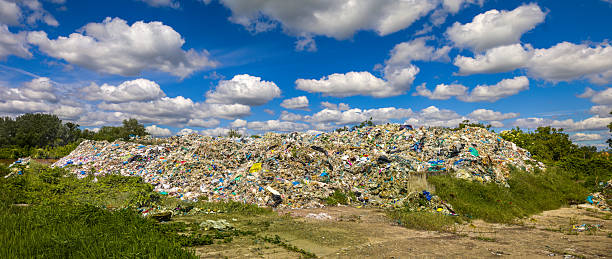
How does pollution affect marine life? Waste can injure animals, damage habitats and change water quality. Litter on a beach is the visible part of a larger problem: material can also move through drains, rivers and lagoons or settle below the surface where it is harder to notice.
This guide explains the main pathways of harm and practical waste-prevention questions for households, businesses and coastal communities. It also describes how to plan a responsible cleanup without treating every unknown item as ordinary rubbish.
Plastic litter can be swallowed or entangle animals
NOAA’s Marine Debris Program describes ingestion and entanglement as major problems. Animals can become trapped in discarded fishing gear or packaging. Swallowed debris can injure them, obstruct digestion or create a false feeling of fullness.
A plastic bag may look like food to a turtle, while lost fishing gear can continue catching animals after the owner no longer controls it. Smaller fragments do not make the problem disappear. As plastic breaks into smaller pieces, it can become accessible to smaller organisms.
These mechanisms explain why preventing litter from entering water is useful even when a single item seems small. They do not establish a measured damage total for a particular Nigerian beach or prove that every animal seen nearby has been exposed.
Pollution can damage the places marine animals live
NOAA’s habitat guidance explains that debris can crush or smother sensitive habitats and reduce the light or oxygen organisms need. Mangroves, reefs and other coastal habitats may trap waste, and movement by storms and tides can cause repeated damage.
Removing visible litter can help a place look cleaner, but restoration may need specialist assessment where waste is buried, entangled in vegetation or associated with a wreck or spill. Do not cut habitat plants, drag heavy material through sensitive areas or disturb wildlife simply to complete a cleanup faster.
Nutrient pollution can reduce oxygen in water
Not all pollution is solid litter. NOAA’s nutrient-pollution explanation describes how excess nitrogen and phosphorus can encourage excessive algae growth and contribute to low dissolved oxygen. Fish and other aquatic organisms depend on oxygen in water.
This is why waste prevention should include wastewater and runoff management rather than focusing only on bottles and wrappers. A clear-looking water surface is not proof of safe water quality. Suspected sewage discharge or chemical pollution needs the relevant authority or competent specialist, not a volunteer litter-picking response.
| Pollution pathway | Possible harm | Useful prevention focus |
|---|---|---|
| Discarded packaging | Ingestion and entanglement | Secure bins, reduce litter and prevent waste escaping during transport |
| Lost fishing gear | Continued trapping and habitat damage | Responsible gear handling and specialist retrieval where needed |
| Large debris | Crushing, obstruction and physical hazards | Assessment and safe removal planning |
| Excess nutrients | Algae growth and reduced oxygen | Appropriate wastewater and runoff controls |
Litter on the beach: how to plan a responsible cleanup
Start with the landowner or responsible local authority. Agree the area, access conditions, collection containers and destination for the material. Check whether tides, weather, sensitive habitats or nesting wildlife make the proposed time unsuitable.
Separate ordinary litter from sharp, chemical or clinical items. Volunteers should not pick up unknown needles, leaking containers, suspicious packages or heavy entangled objects as routine rubbish. Keep people away and report these through the relevant local route. Do not enter water or unstable areas to retrieve waste without an appropriate specialist plan.
Arrange collection before the cleanup begins. Leaving filled sacks unsecured at the edge of a beach can return the material to the environment. Confirm the collector accepts the waste and knows about any unusual material. Avoid mixing hazardous waste into bags of ordinary packaging.
What businesses can do before waste reaches the shoreline
Inspect outdoor storage points, loading areas and delivery packaging. Make sure containers close and material is not left loose where wind or rain can move it. Review how staff handle waste during busy periods and how vehicles contain collected loads.
Food businesses should coordinate closed storage and timely collection. Retailers can keep cardboard dry and separate, while industrial sites should identify contaminated materials before sending them to a general recycler. Our food waste guide and industrial waste planning guide explain these operational questions.
Measure results without making unsupported claims
For a cleanup, record the location, date, material categories and measured weight where available. Keep the measurement method consistent and distinguish collected material from material actually recycled. A photograph of a cleaner beach is useful evidence of visible improvement, but not a complete marine biodiversity assessment.
For ongoing prevention, track repeat litter hotspots, overflow incidents and missed collections. Use the findings to improve storage or schedules. Avoid claiming that a single pickup has eliminated marine pollution or restored an entire ecosystem.
How Travo can assist with Nigerian waste enquiries
Travo’s catalogue lists rubbish collection and skips. Contact the team with the location, material list, estimated volume, access and proposed collection date to confirm ordinary waste scope. Marine pollution response, hazardous recovery and specialist habitat work require separate expertise and authorisation.
For choosing a collection provider, read our waste disposal company guide. For sewage contamination, see Nigerian sanitation and disposal guidance. Preventing waste from escaping at its source is a practical contribution households and businesses can make every day.
