


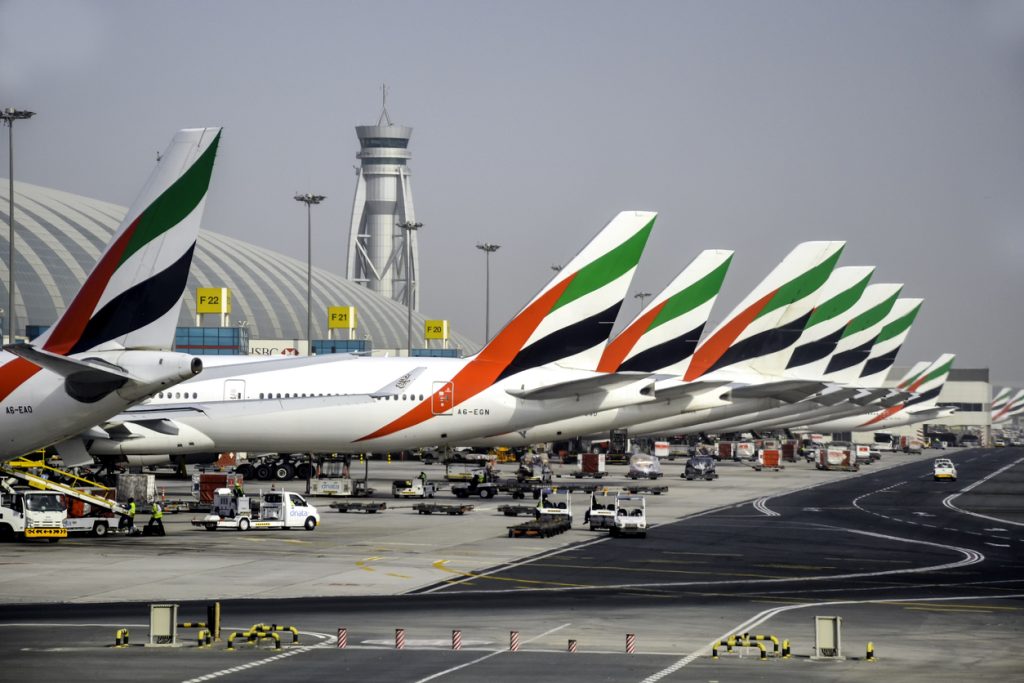
Aircraft ground logistics management is the coordination of the people, equipment, cargo, information and support services needed to prepare an aircraft safely and efficiently while it is on the ground.
The process starts when an aircraft arrives and continues through passenger and baggage handling, unloading, servicing, refuelling, catering, cargo operations, loading, documentation and departure preparation. Because many activities happen within a limited timeframe, poor coordination can quickly result in delays.
Ground handling is an integral part of airline operations, with aircraft, people and Ground Support Equipment operating together in a confined ramp environment. IATA identifies safety, on-time performance and labour availability among the key challenges facing ground operations. (IATA)
What Aircraft Ground Logistics Management Covers
Aircraft ground logistics management involves much more than moving equipment around an airport.
Depending on the operation, it can include:
- Aircraft turnaround coordination
- Baggage loading and unloading
- Air cargo and mail handling
- Passenger movement
- Ground Support Equipment allocation
- Aircraft loading and load control
- Refuelling coordination
- Catering and cabin servicing
- Aircraft cleaning
- Pushback and towing coordination
- Ground transportation
- Maintenance and spare-parts support
- Operational communication and documentation
The objective is to ensure that each activity takes place at the appropriate time, with the right personnel and equipment, without compromising safety.
Managing Aircraft Turnaround in African Airports
Aircraft turnaround is one of the most important parts of ground logistics management.
A typical turnaround involves several teams working simultaneously. Baggage may be unloaded while passengers disembark, cargo is processed, cleaning begins and other servicing activities take place.
A delay in one activity can affect another. For example, unavailable baggage equipment can delay loading, while a late cargo shipment can affect departure preparation.
IATA’s ground-handling standards cover aircraft handling, load control, GSE management, training and other activities required for safe and efficient turnarounds. (IATA)
Effective management therefore requires a clear turnaround plan, defined responsibilities and continuous communication between teams.
Ground Support Equipment Management
Ground Support Equipment is central to aircraft ground logistics.
Depending on the aircraft and airport, equipment may include baggage tractors, belt loaders, passenger stairs, buses, aircraft tugs, ground power units and other specialised equipment.
The challenge is not simply having enough GSE. Equipment must be available at the right aircraft stand, properly maintained and operated by trained personnel.
IATA recommends using telematics and other technologies to improve GSE fleet tracking and resource allocation. Digital systems can help managers understand equipment availability and identify opportunities to improve utilisation. (IATA)
A proper maintenance programme is equally important. Equipment failure during a turnaround can create delays and force teams to find replacement units at short notice.
Cargo and Baggage Coordination
Aircraft ground logistics also covers the movement of cargo and baggage between aircraft, terminals, warehouses and other airport facilities.
Cargo needs to be correctly identified, documented, handled and loaded according to operational and safety requirements. Baggage requires similar coordination, particularly when connecting passengers and tight turnaround schedules are involved.
Standardised procedures can reduce variation between airlines, airports and ground service providers. IATA’s IGOM is specifically designed to standardise ground-handling procedures covering areas such as baggage, aircraft turnaround, load control and airside safety. (IATA)
For African airports handling international and regional traffic, coordination becomes even more important when cargo or baggage passes between multiple organisations.
Workforce and Operational Coordination
Ground logistics depends heavily on people.
Ramp agents, baggage handlers, load controllers, equipment operators, supervisors, drivers, cargo staff and other personnel need to understand their responsibilities and coordinate their activities.
Staff shortages or inadequate training can create pressure during busy operating periods. IATA notes that standardisation can improve training quality and personnel competency while also supporting operational efficiency. (IATA)
Managers therefore need to consider staffing levels, shift planning, competency, fatigue management, communication procedures and emergency arrangements.
Challenges Affecting Aircraft Ground Logistics in Africa
African airports do not all operate under the same conditions. Infrastructure, equipment availability, staffing, oversight and service standards can vary significantly between airports.
AFRAA notes that ground-handling standards across African airports vary widely and that some airports face inadequate or limited infrastructure and facilities. It also identifies handling costs as an important industry concern. (Afraa)
Common operational challenges can include:
- Limited or ageing GSE
- Equipment maintenance difficulties
- Insufficient ramp space
- Staff shortages
- Inconsistent procedures
- Communication gaps between stakeholders
- Cargo-processing delays
- Poor coordination between ground service providers
- Infrastructure limitations
- High operating costs
These challenges make effective planning particularly important for airlines operating across multiple African airports.
Using Technology to Improve Ground Logistics
Technology is increasingly being used to make ground operations more visible and measurable.
Digital turnaround systems can capture timestamps for individual activities, allowing managers to identify where time is being lost. AI can also help recognise vehicles and objects and analyse turnaround activity.
IATA says the adoption of structured turnaround timestamps and AI-integrated systems could help reduce ground-handling delays, while telematics can support GSE fleet management and resource allocation. (IATA)
However, technology should support a well-designed operation rather than replace basic planning. Reliable data, suitable infrastructure and trained personnel are still required.
How Travo.ng Can Support Aircraft Ground Logistics Around Travel
Travo.ng can support the wider travel and transportation requirements surrounding aircraft ground logistics operations.
For example, aviation companies may need to move staff between airports, arrange airport transfers, book accommodation for operational teams, hire vehicles or coordinate transportation for personnel travelling to different cities.
Travo.ng can also support delivery and logistics requirements where documents, supplies or other permitted items need to be moved as part of a wider travel or business operation.
This is different from specialist airside ground handling. Travo.ng’s role is to support the travel and logistics activities around an aviation operation, while specialist airport teams remain responsible for aircraft servicing, ramp handling, loading and other regulated airside functions.
Building a More Efficient Ground Logistics Operation
A strong aircraft ground logistics management system should combine people, equipment, procedures and technology.
Airlines and ground service providers can improve operations by:
- Mapping the complete aircraft turnaround process.
- Identifying activities that regularly cause delays.
- Assigning clear responsibilities to each team.
- Maintaining GSE according to planned schedules.
- Monitoring turnaround and equipment performance.
- Standardising procedures across stations where practical.
- Training employees regularly.
- Improving communication between airlines, airports and handlers.
- Using operational data to identify recurring problems.
- Preparing contingency plans for equipment failures and disruptions.
Standardisation is particularly important when airlines operate across multiple airports. IATA says consistent ground-operation standards can improve safety, reduce complexity, support training and increase operational efficiency. (IATA)
The Future of Aircraft Ground Logistics in Africa
Aircraft ground logistics is becoming increasingly data-driven, with modern GSE, digital monitoring, better resource allocation and standardised procedures playing larger roles.
The fundamentals, however, remain the same: the right people, equipment and information must reach the aircraft at the right time.
For African aviation operators, improving ground logistics is therefore not simply about purchasing new technology. It requires better planning, reliable equipment, trained personnel, consistent procedures and stronger coordination across the airport ecosystem.
When these elements work together, aircraft can spend less unnecessary time on the ground while maintaining the safety and service standards required for modern aviation.
