


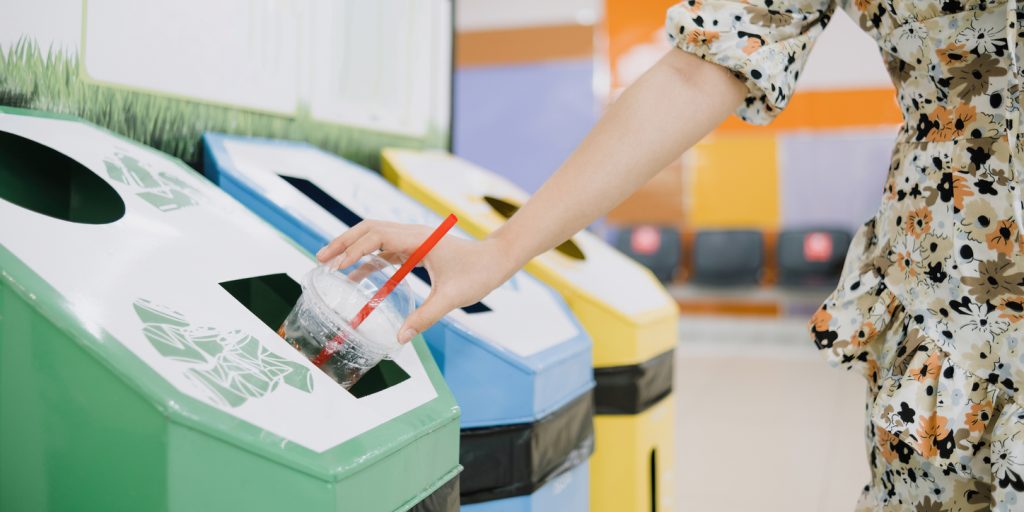
Being more eco friendly in Nigeria starts with reducing what you discard and finding a confirmed destination for what remains. A bin labelled “recycling” does little if the receiving facility rejects its contents. This guide turns common questions about books, crisp packets, office cardboard, beach rubbish and bulky items into practical collection decisions.
For a home, hotel or business enquiry, send Travo your location and material list. Its service catalogue includes rubbish collection and skip hire. Ask for confirmation of coverage, accepted items, provider responsibilities and the receiving route before booking. Specialist treatment and verified recovery reporting need their own scope.
Reduce and reuse before arranging waste pickup
Start with one week’s record of what is discarded and why. Repeated packaging, unused food or damaged stock may reveal purchasing and storage changes that prevent waste. Buy quantities you can use, maintain reusable items and choose repair where safe and practical.
Reuse should match the item’s condition and intended use. Offer readable books or serviceable furniture to a willing recipient before treating them as waste. Do not pass contaminated or unsafe items to someone else to avoid disposal costs. For food, safety and suitability still control any redistribution decision.
Can books go in the recycling bin?
There is no universal answer for every local collection. Ask whether the receiver accepts the specific binding, cover and condition. A paper stream may have different rules for hard covers, glued bindings, coated pages or damaged material. Keep accepted paper dry and follow any preparation instructions.
Do not mix confidential business records with publicly accessible book donations or ordinary paper bins. Sensitive records need controlled collection and destruction arrangements. Our confidential waste disposal in Abuja guide explains the evidence and access questions to ask.
Can crisp packets be recycled?
Confirm the actual material and local route. A shiny packet is not proof that an ordinary plastic-bottle collection accepts it. Recycle Now’s crisp-packet guidance points to selected plastic-film collection arrangements rather than a blanket household-bin rule. Those overseas arrangements do not establish acceptance in Nigeria.
Ask a Nigerian receiver whether it accepts the packet type, how clean and dry it must be, and where rejected material goes. Keep film separate from PET bottles if required. See plastic bottle collection and buy-back checks for material grading and buyer questions.
Office and cardboard recycling
Place clearly labelled containers where staff generate each stream. Keep accepted cardboard dry and flatten it where the collector requests this. Remove unsuitable contamination according to the receiving rules, and arrange enough storage between pickups. A pile exposed to rain can undermine a recovery plan.
Nominate someone to check recurring contamination and missed collections. Record quantity collected and the destination supplied by the contractor. Use office waste collection in Lagos alongside commercial bin sizes and collection costs when reviewing a proposal.
Making products from recycled materials
Recycled content does not establish that a finished product meets its intended specification. Buyers should ask about material grade, contamination controls, traceability and relevant performance testing. Food-contact, structural and other demanding uses require suitable assessment; they are not automatic destinations for mixed plastic scrap.
For business reporting, distinguish material collected from material accepted for recycling and verified finished output. Avoid claiming a percentage or “zero waste” achievement without a defined period, measurement method and downstream evidence.
Rubbish on beaches: prevent it reaching the water
Carry reusable items where practical, retain your litter until it can enter a suitable collection route and keep waste-store lids closed. Plan enough collection capacity for beach events and busy visitor days. Avoid placing bags where wind, animals or runoff can carry them into drains or waterways.
For an organised cleanup, agree who supervises the work, how materials are separated and who collects the filled containers afterwards. Do not handle sharps, unidentified chemicals or medical waste as ordinary litter. Arrange competent specialist assessment for those items.
Mattress disposal and bin hire
For mattress removal, give the size, quantity, condition, floor level, stairs or lift availability, access width and collection address. Ask whether wrapping or pest-related precautions are needed and identify the accepted receiving route. Do not leave a bulky item beside a general bin unless that arrangement has been agreed.
Bin or skip hire requires clear accepted-material rules, placement space, loading limits and collection timing. Describe factory or agricultural waste by composition; crop residues, contaminated containers and hazardous materials need different decisions. Confirm the total cost and permissions before delivery.
Practical waste-reduction checklist
Use this checklist to prepare your enquiry. Selections stay in this page only.
How Travo can assist
Contact Travo with your address, photographs where useful, material quantities and preferred date. Ask for an itemised collection or transport proposal. For food scraps and pumpkins, see organic waste recycling and composting. For regular business collections, use the business waste quote guide to compare scope and responsibilities.
How to dispose of kitchen knives safely in Nigeria
Do not place loose knives in recycling sacks or an open general bin. Ask the local authority, confirmed scrap receiver or specialist collector whether it accepts the item and how it wants it protected and handed over. Identify the blade, condition and quantity without testing its sharpness. Keep it secure from children and cleaners until the agreed handover.
Use the receiving provider’s suitable rigid containment and instructions; do not assume a thin plastic bag or a few layers of paper will protect handlers. A household kitchen knife and a medically contaminated blade need different routes. If an item may be a weapon or subject to legal restrictions, obtain the appropriate local official advice before transporting it.
Should you cut up a mattress?
Do not cut it simply to fit it into an ordinary bin. Mattresses can contain springs, wire and layers that complicate safe handling; cutting can also scatter material or invalidate the collector’s acceptance. Ask for whole-item removal and provide size, floor, access, condition and possible infestation. A trained collection team should agree the movement method and receiving route.
Piano removal and disposal in Lagos, Abuja and other Nigerian cities
First ask whether a piano technician or willing recipient considers the instrument reusable. For removal, describe upright, grand or digital type, dimensions, floor, stair turns and loading access. Agree suitable lifting equipment, crew responsibility, property protection and destination. A piano’s weight and internal components make casual dismantling or an ordinary bin booking unsuitable.
Request separate costs for movement, difficult access, any authorised disassembly and disposal. Do not promise donation before a recipient accepts. Overseas municipal bulky-waste rules or prices do not establish a Nigerian collection arrangement. Travo can discuss a bulky-item enquiry and confirm what support is available before booking.
How do you dispose of white spirit in Nigeria?
White spirit is a flammable solvent. Keep it in a suitable closed, labelled container under the product’s storage instructions; do not pour it into drains, soil or an ordinary rubbish bin. Do not deliberately evaporate or burn it to get rid of it. Declare remaining solvent, paint residues and quantity to a competent hazardous-waste provider before arranging collection. The chemical safety information for white spirit describes the substance and its risks; a local receiving route still needs confirmation.
Tell the collector whether the waste comes from a household or business and ask what packaging and movement requirements apply. Never transfer solvent into a drink bottle or mix unidentified chemical leftovers. Send Travo a clearly described specialist enquiry to establish available support.
Further waste and recycling guides
- What Does Recycle Mean? A Practical Guide to Glass, Aerosols, Batteries and Recycling Bins
- Clothing Waste in Nigeria: Reuse, Textile Recycling and Collection for Homes and Businesses
Books, Christmas cards and an old duvet: choose the right route
For books, consider reuse where the condition and recipient are suitable, then ask the collector which paper products and bindings it accepts. For Christmas cards, distinguish ordinary paper from glittered, metallic or heavily decorated material; confirm the local receiver’s preparation rules. Do not assume a seasonal product is automatically accepted with clean cardboard.
For an old duvet, describe its filling, size, cleanliness and condition before offering it for reuse or booking collection. A charity should confirm that it actually needs and accepts the item. Wet, contaminated or unusable bedding needs an agreed disposal route rather than being left at a donation point. Use clothing and textile waste guidance to separate realistic reuse from waste collection.
For polystyrene packaging and resin symbols, see plastic codes 1–7 and local recycling checks. For food scraps, Nigeria food-waste statistics and measurement explains how to measure prevention as well as collection. These practical checks support recycling benefits without claiming that every collected item becomes a new product.
