


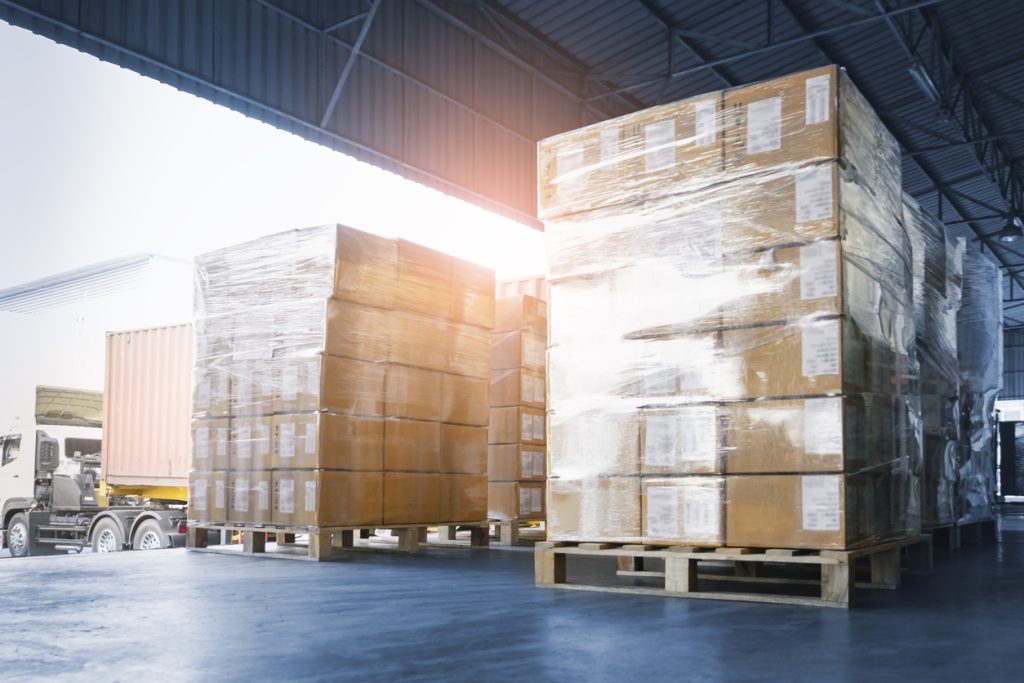
Yiwu is one of China’s most important wholesale trading centres, particularly for small commodities, consumer goods, accessories, household products and general merchandise. For international buyers, international freight from Yiwu provides a way to move purchased goods from suppliers and markets in China to customers and businesses around the world.
A well-organised freight process can include supplier collection, warehouse receiving, consolidation, export preparation and international transportation.
How International Freight from Yiwu Works
When your goods are ready, they can be collected from suppliers or delivered to a designated warehouse in Yiwu. The cargo is then organised before being prepared for export.
The process commonly involves:
- Supplier collection: Goods are collected from Yiwu suppliers or nearby locations.
- Warehouse receiving: Cartons are counted, recorded and checked.
- Cargo consolidation: Orders from multiple suppliers can be combined where suitable.
- Packing and preparation: Goods can be repacked, labelled or arranged for transportation.
- Freight booking: Air, LCL or FCL sea freight is selected according to the shipment.
- Export handling: Required cargo information and documentation are prepared.
- International shipping: The goods are transported towards the destination.
- Destination delivery: Customs clearance and final delivery are coordinated according to the destination country.
Consolidating Goods from Yiwu Suppliers
Yiwu is particularly useful for buyers purchasing from multiple wholesalers and manufacturers. Instead of shipping every supplier’s order separately, the different packages can be sent to a warehouse and consolidated into a larger shipment.
For example, an African wholesaler purchasing shoes, bags, household items and accessories from several Yiwu suppliers can combine suitable orders before international freight is arranged.
Consolidation can simplify shipment management and may improve freight efficiency, although the actual savings depend on cargo volume, weight, packaging and destination.
Air Freight or Sea Freight from Yiwu?
Air freight is generally suitable for smaller or urgent shipments where delivery speed is important.
LCL sea freight can work well for commercial cargo that does not fill a container, while FCL sea freight is more appropriate for larger shipments requiring a dedicated container.
The choice should consider the cargo’s weight, dimensions, value, urgency and final destination.
What Affects International Freight Costs?
The cost of shipping from Yiwu can depend on:
- Cargo weight and volume
- Number of cartons or pallets
- Product type
- Supplier locations
- Warehouse and handling requirements
- Air, LCL or FCL freight
- Export documentation
- Destination port or airport
- Customs duties and taxes
- Inland delivery after arrival
Providing accurate cargo details before booking makes it easier to select an appropriate freight option.
How Travo.ng Can Help
Travo.ng can help coordinate international freight from Yiwu by assisting with supplier cargo collection, warehouse receiving, consolidation planning and air or sea freight arrangements.
Whether you are a Nigerian trader buying from Yiwu’s wholesale market or a business shipping goods to Ghana, Kenya, South Africa, the UK or another destination, your supplier locations, cargo type, estimated weight or CBM and destination can be used to plan the shipment properly.
With the right coordination, multiple Yiwu purchases can be organised into a single, manageable international freight process.
