


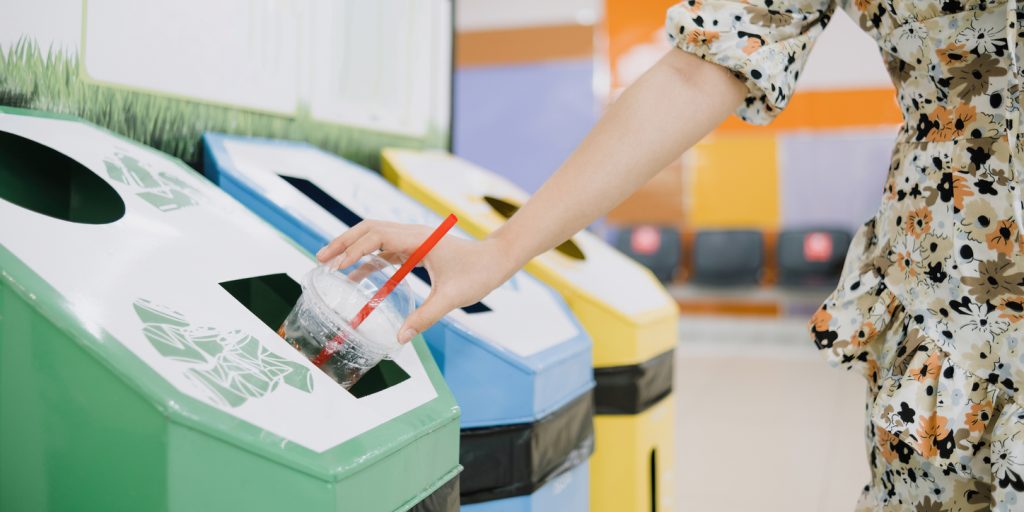
A plastic bottle, takeaway box and expanded-foam protective insert can all look recyclable while needing different handling. For homes and businesses in Lagos, Abuja, Port Harcourt and other Nigerian cities, the useful question is who accepts the material in the quantity you have. This guide explains the codes and the next questions to ask.
What do plastic codes 1 to 7 mean?
| Code | Material | Common identification example |
|---|---|---|
| 1 | PET — polyethylene terephthalate | Many beverage bottles. |
| 2 | HDPE — high-density polyethylene | Some rigid bottles and containers. |
| 3 | PVC — polyvinyl chloride | Certain pipes and products. |
| 4 | LDPE — low-density polyethylene | Some bags and flexible film. |
| 5 | PP — polypropylene | Some tubs, caps and food containers. |
| 6 | PS — polystyrene | Some rigid products and expanded-foam packaging. |
| 7 | Other plastics or combinations | A diverse group; request the product specification. |
The NIH plastic resin-code reference provides these material names. Examples are identification aids, not local acceptance lists. The US EPA recycling guide also explains why the symbol does not establish collection acceptance. Neither source creates a Nigerian bin rule.
Is number 7 always non-recyclable?
No single acceptance answer covers all products in this category. “Other” can include different resins and combinations, so a buyer may need the manufacturer’s material information or a sample assessment. Do not mix unknown plastic into a clean PET load simply because both carry a symbol. Tell the receiver about labels, closures, coatings and contamination.
How to dispose of polystyrene in Nigeria
Polystyrene includes rigid products and expanded polystyrene, often called EPS. Expanded packaging is light but bulky, and a collection vehicle can fill by volume before reaching a heavy load. Ask whether a specialist accepts clean packaging foam, food-contact foam or both. Those are different enquiries. A receiver accepting clean protective packaging may reject food-contaminated trays.
Keep foam contained so loose pieces do not escape during storage or loading. Obtain the receiver’s packing instructions and collection minimum before spending time preparing a large load. Recycle Now’s polystyrene material guidance notes that polystyrene is not commonly recycled. Its collection advice does not confirm a Nigerian receiving route. Do not burn, melt or dissolve waste as a homemade disposal method.
Plastic scrap buyers: what changes the quote?
Identify the resin and form: bottles, rigid containers, film, production offcuts or mixed packaging. Give the approximate weight and volume, colour, cleanliness, location and collection access. Ask whether caps and labels should remain, whether the buyer accepts mixed colours and how weighing is documented. Do not assume a quoted rate for clean PET applies to every plastic object.
Confirm whether the transaction is a purchase, free collection or a paid waste service. Agree any minimum quantity, transport deduction, contamination rejection and payment timing. Photograph the load for a preliminary enquiry if appropriate, but avoid including personal documents or people unnecessarily. A photo can help identify a material; it does not replace the receiver’s acceptance decision.
Keep hazardous contents out of ordinary plastic recycling
A plastic container’s former contents matter. Containers that held chemicals, medicines or other hazardous products need assessment for that contamination. An empty-looking container should not automatically enter household bottle recycling. Explain the product and remaining residue to the appropriate collector, and follow the accepted handling route. Do not rinse unknown hazardous residues into a drain to make a container appear clean.
For clinical materials, see biohazard waste collection guidance. For ordinary household items, read what recycling means and how to check common items. Keeping those streams separate protects collection staff and prevents one unsuitable item from compromising a larger recyclable load.
A simple sorting plan for shops and offices
Start with the streams your contracted receiver actually accepts, rather than buying bins for seven codes and hoping someone will take them. Put short examples beside each bin and explain where rejected items go. Agree who checks contamination and how full bags are stored before collection. A material code is useful staff information, but the collection contract needs a practical acceptance list.
Track quantities collected, rejected loads and the receiving destination. When a service advertises recycling, ask what processing or onward transfer occurs. Do not claim every kilogram was recycled solely because it left the premises in a recycling-labelled bag. See commercial waste bin and collection planning for access, capacity and pickup questions.
Plastic collection enquiry checklist
Use this checklist to prepare your enquiry. Selections stay on this page only.
Ask Travo about recycling logistics
To discuss a collection, send Travo your enquiry with your city, material description, quantity and access. The Travo service catalogue helps identify relevant collection services. Confirm the actual operator, acceptance and receiving route before booking. No fixed scrap price or nationwide acceptance guarantee is offered in this guide. For prevention alongside recycling, compare practical ways to reduce waste in Nigeria.
