


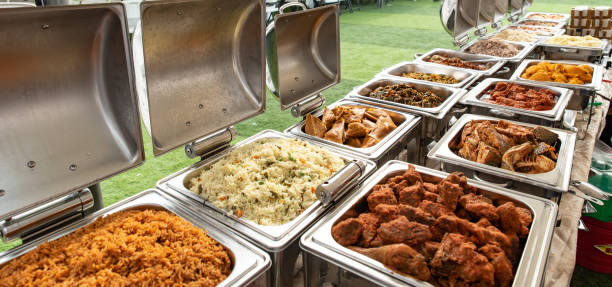
Searches for “how much food waste in Nigeria” often return figures with different years and boundaries. One number may describe households, another agricultural losses, and another global consumption. They cannot be exchanged without changing the meaning. This guide explains a usable statistic and shows homes, restaurants and offices how to collect their own information.
Define food waste before quoting a number
For the Food Waste Index, food waste includes food and associated inedible parts removed from the human food supply at retail and consumer stages. It covers households and food service, including restaurants. Upstream food loss is a separate measure. This distinction matters when comparing household leftovers with crops lost before reaching a retailer. See the definitions in the UNEP Food Waste Index Report 2024.
Nigeria and global food waste: scope and year
| Figure | What it describes | How to use it |
|---|---|---|
| Nigeria: 113 kg per person per year | National household estimate in the 2024 report; medium confidence. | A report estimate, not the amount every individual throws away. |
| Nigeria: 24,791,826 tonnes per year | Estimated total household food waste in the report’s country appendix. | Approximately 24.8 million tonnes; not all supply-chain food loss. |
| World: 1.05 billion tonnes in 2022 | Food waste including associated inedible parts across households, food service and retail. | Global reference year 2022, published in 2024. |
The Nigerian country figures appear in the report’s official country appendix, available here in the Spanish edition. The global figure comes from UNEP’s 2024 release on the 2022 estimates. Publication date and measurement reference are different. Medium confidence should remain visible when reusing the Nigerian estimate.
How much food is wasted each year?
There is no useful answer without a place, sector and year. State all three when writing a business report or school project. Do not multiply a household estimate by restaurant turnover or describe all inedible scraps as avoidable meals. A global total is not a Nigeria total, and a small audit in one market is not automatically representative of the whole country.
Similarly, “most wasted food” needs a defined study. Rice, bread, produce and cooked dishes can be useful categories in a Nigerian kitchen audit, but this page does not claim they form a verified national ranking. Measure your actual menu, purchasing and household habits rather than adopting a foreign list as Nigeria’s results.
A seven-day household food-waste audit
Choose a normal week and a consistent recording method. Note food type, approximate or measured weight, reason and whether it was edible when discarded. Separate preparation scraps, spoiled purchases and plate leftovers. Use clean, appropriate containers and follow hygiene arrangements; never retrieve food from mixed rubbish to reassess whether it can be eaten.
Record unusual events such as a party, power disruption or visitors. Use the same boundaries next week so a comparison means something. A single household’s result helps that household; it should not be extrapolated into a national estimate. Keep prevention actions specific: smaller purchases, clearer stock rotation or portions matched to appetite.
Restaurant food waste: measure by activity
Track preparation waste, unsold production and customer plate waste separately. Record covers served and major menu changes alongside weight. This shows whether waste fell because practices improved or simply because fewer customers arrived. Keep packaging, liquids and non-food materials separate according to your chosen measurement method.
For example, if a restaurant records 12 kg of food waste while serving 100 meals, the recorded rate is 0.12 kg per meal for that period. If it later records 10 kg for 50 meals, total waste fell but the rate rose to 0.20 kg per meal. These are illustrative calculations, not Nigerian industry averages. Use both total weight and a relevant activity measure.
Prevention, collection and processing are different decisions
Buying and preparing more accurately can prevent waste. Collection deals with what remains. Composting or other suitable treatment may recover value from an accepted stream, but it does not undo the cost of unnecessary purchasing. Agree which materials the receiver accepts before promising a “zero waste” outcome. Keep food-contact hygiene and pest prevention part of the collection plan.
Read organic waste collection, composting and biogas guidance for processing questions, and commercial bin sizes and collection quotes for containers and frequency. Record rejection, contamination and missed collections as well as the weight sent out. A recycling-labelled invoice alone does not establish the final treatment result.
Food-waste measurement checklist
Use this checklist to prepare your enquiry. Selections stay on this page only.
Plan a food-waste enquiry with Travo
For a restaurant, estate, office or food business, send Travo your enquiry with your city, estimated volume, material types, storage access and preferred schedule. Ask for the actual collector, receiving route, coverage and full cost. The Travo service catalogue provides service categories to discuss; specialist processing and savings should be confirmed for your waste rather than assumed from a national statistic.
