


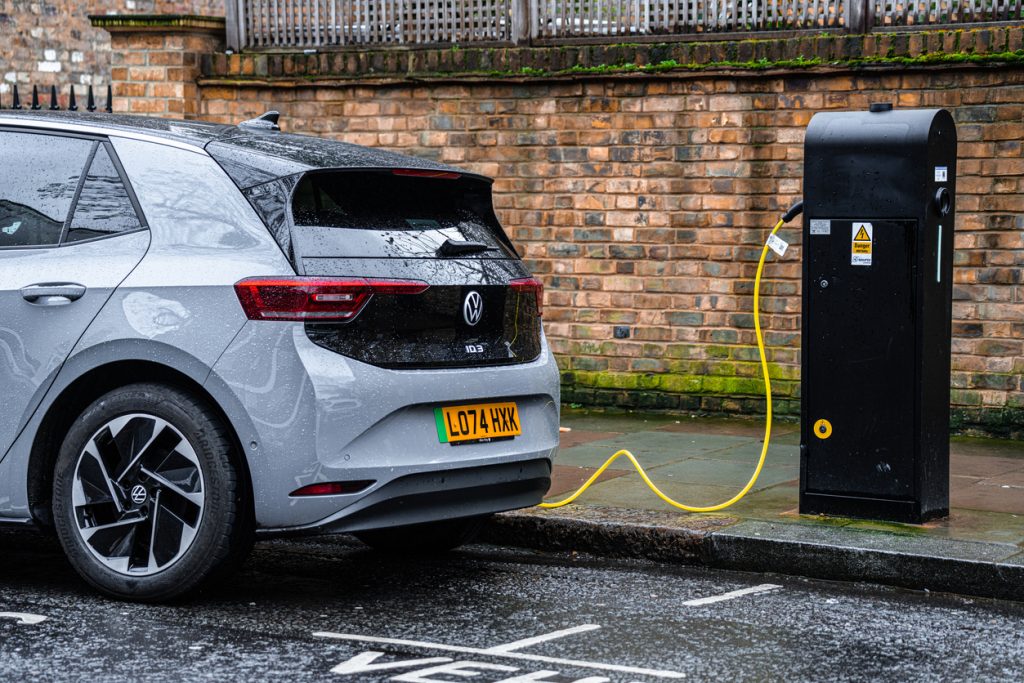
If you want to install electric car charger at home, the process involves more than buying a charger online and fixing it beside your parking space. Your home’s electrical capacity, parking arrangement, charger type and installation location all affect how safely and conveniently you can charge your electric vehicle.
This is becoming increasingly relevant in Nigerian cities such as Lagos and Abuja, where more drivers are considering electric vehicles but public charging locations are still limited compared with petrol stations.
A properly planned home charging setup allows you to plug in after work, charge overnight and start the next morning without searching for a public charging point.
Check Your Home’s Electrical Supply Before Buying a Charger
One of the first mistakes EV owners make is purchasing a charger before checking whether their electrical system can support it.
A qualified electrician should inspect your distribution board, wiring, earthing system and available electrical load. Homes running several air conditioners, water heaters, pumping machines and other high-demand appliances may require additional electrical work.
The inspection also helps determine whether you should use a standard charging arrangement or install a dedicated higher-capacity circuit for the vehicle.
In estates around Lekki, Ajah, Ikeja, Maitama and Gwarinpa, installation conditions can differ significantly between newer properties and older buildings. Never assume that a charger suitable for one property will automatically work safely in another.
Choose a Charger That Matches Your Electric Vehicle
Your vehicle determines the charging connector and power level you require.
Before ordering equipment, confirm:
- Your vehicle’s charging connector
- Recommended charging capacity
- Whether the charger is compatible with your home’s electricity supply
- Cable length from the charging point to the vehicle
- Indoor or outdoor installation requirements
- Manufacturer warranty and technical support
A faster charger is not automatically the best option. The practical choice is one your vehicle can accept and your property can safely supply.
If the equipment must be moved from a supplier or warehouse to your property, Travo.ng can also coordinate delivery and logistics so bulky or sensitive charging equipment reaches the installation location securely.
Where Should You Install an Electric Car Charger at Home?
Location matters more than many first-time EV owners expect.
Ideally, the charger should be positioned close enough to your normal parking spot that the cable reaches comfortably without stretching across walkways or driveways.
For outdoor parking areas, the charger should be suitable for external conditions and positioned where it receives reasonable protection from heavy rain and accidental vehicle impact.
Residents of rented apartments or gated estates should also speak with landlords or facility managers before installation. Installing cables through shared walls, parking areas or communal electrical systems without approval can create unnecessary disputes.
Think About Nigerian Power Supply Realities
Home EV charging in Nigeria requires realistic planning around electricity availability.
Where grid supply is unreliable, some households may combine grid electricity with solar, inverter or other backup power arrangements. However, the capacity required to charge a vehicle can be significantly higher than that needed for basic household appliances.
Your installer should therefore calculate the total load rather than assuming an existing inverter or solar system can comfortably handle EV charging.
Charging overnight can be convenient where power is available because the vehicle remains parked for several hours and does not need rapid charging.
Plan the Equipment Delivery and Installation Together
EV charger installation may involve the charger itself, electrical cables, protective devices, mounting equipment and other components.
If equipment is being sourced from another part of Lagos or transported interstate, coordinate delivery before booking the electrician. An installer arriving before the correct equipment is available can mean paying for an unnecessary second visit.
Travo.ng can support the logistics side through courier, cargo delivery and transport coordination services, particularly when EV charging equipment needs to move between suppliers, installers and customers.
Get the Setup Tested Before Regular Charging
Once installation is completed, the electrician should test the system before you begin routine charging.
Confirm that the charger operates correctly, the connection is secure and the vehicle begins charging normally. Keep the installation area clear and avoid using improvised extension cables simply because the original cable does not comfortably reach the vehicle.
For drivers planning to install electric car charger at home, good preparation makes the biggest difference. Check your electrical capacity first, buy compatible equipment, choose a practical installation point and use qualified electrical professionals.
When charger equipment or installation materials need to be delivered within Lagos or moved from another Nigerian city, Travo.ng can help coordinate the transport and delivery needed to get everything to your property safely and conveniently.
