


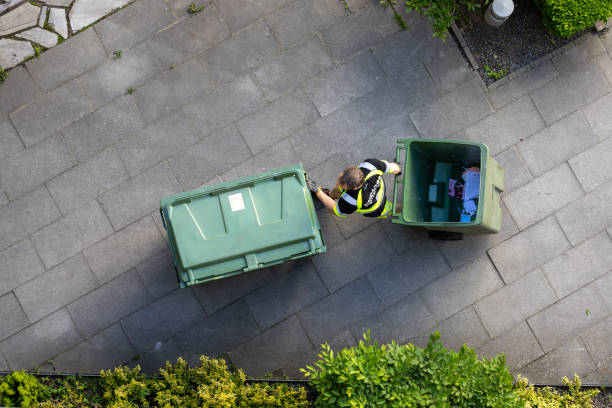
Running an office in Lagos produces more waste than many businesses expect. Paper, food packs, cartons, plastic bottles, damaged office equipment, packaging materials, and general rubbish can quickly accumulate when there is no proper pickup arrangement.
Reliable office waste collection in Lagos helps businesses keep workspaces clean without repeatedly looking for someone to remove overflowing bins. For offices in areas such as Ikeja, Victoria Island, Lekki, Surulere, Yaba, and Lagos Island, the real challenge is often arranging collection that fits working hours, building access, and the amount of waste being generated.
Travo.ng can help businesses coordinate practical waste collection and related logistics based on their location and operational needs.
How Quickly Office Waste Builds Up
A small consulting office may only need occasional collection. A larger workplace with 30 or 50 employees can generate considerably more rubbish, particularly where staff eat meals within the premises.
Busy offices commonly produce:
- Paper and shredded documents
- Disposable food containers
- Plastic bottles and cans
- Cartons from office supplies
- Packaging materials
- Old stationery
- Damaged furniture or equipment
- General non-hazardous workplace waste
Waiting until bins are overflowing usually creates another problem. Waste may have to be moved through reception areas, lifts, shared corridors, or customer-facing spaces before it can finally leave the building.
Scheduled collection prevents that situation.
Scheduling Office Waste Collection in Lagos
The right collection frequency depends on the office.
A five-person business in Yaba may manage with collection once or twice weekly, while a busy corporate office in Victoria Island could require more frequent pickups.
Restaurants, shared workspaces, training centres, clinics, retail offices, and businesses with staff kitchens usually generate waste faster than conventional administrative offices.
Before arranging a pickup, it helps to estimate the number of bags, bins, cartons, or bulky items involved. This allows the appropriate collection arrangement to be planned instead of sending a vehicle that is too small for the job.
Businesses can also schedule pickups outside their busiest periods. In locations such as Lekki, Ikeja, or Victoria Island, timing matters because traffic can affect both arrival and disposal schedules.
What to Do With Bulky Office Waste
Normal bin collection is different from clearing larger unwanted items.
During an office relocation or renovation, businesses may need to remove old desks, chairs, cabinets, shelving, packaging materials, broken appliances, and accumulated storage-room clutter.
These jobs require more planning because vehicle space becomes important.
For example, ten bags of everyday office rubbish can be handled differently from several damaged desks and twenty large cartons. Businesses should describe bulky items before collection so the right transport arrangement can be made.
Travo.ng’s transport coordination, moving services, vehicle hire, and business logistics support can also be useful when an office clearance forms part of a wider relocation.
Avoid Leaving Collection Until the Last Minute
One common mistake is waiting until rubbish has already become difficult to store.
This is particularly inconvenient in multi-tenant buildings where management may restrict when waste can pass through lifts or loading areas. Some offices also have very limited outdoor storage space.
A better system is to establish predictable collection days.
Businesses can separate ordinary rubbish, recyclable materials, confidential documents, and bulky items before pickup. Sensitive paperwork should also be securely destroyed where necessary rather than placed casually with general waste.
Hazardous, chemical, medical, or electronic waste may require specialist handling and should not automatically be treated as ordinary office rubbish.
Arrange Reliable Office Waste Collection With Travo.ng
Good office waste collection in Lagos is ultimately about keeping rubbish from becoming an operational problem.
Travo.ng helps businesses coordinate waste pickup alongside practical transport and logistics requirements. Whether you manage a small office in Surulere, a growing company in Ikeja, or a corporate workspace in Lekki or Victoria Island, collection can be arranged around your location, waste volume, and preferred schedule.
Instead of waiting for bags, cartons, and unwanted items to pile up, businesses can schedule collection early and maintain a cleaner, more organised workplace throughout the week.
Recycling in an office: make the accepted streams clear
Place labelled containers where waste is produced and train staff on what the actual collector accepts. Keep clean cardboard dry and flatten it when requested. Food-contaminated packaging, electrical equipment and confidential records should not be added to a paper stream simply because the office wants to recycle more.
For a cardboard recycling business enquiry, specify quantity, moisture, contamination and storage. Confirm whether collection has a charge or a purchase value and which party weighs the load. There is no guaranteed resale price for every batch.
Can books go in recycling?
Offer usable books for reuse first where practical. For damaged books, ask the receiving recycler about bindings, covers and acceptance; a paper bin does not mean every bound book is accepted. Follow the local collector’s instructions rather than importing another country’s recycling list.
Confidential waste bins and evidence
Dispose of confidential waste through controlled collection and an agreed destruction process. Confirm secure storage, authorised handover, chain-of-custody records and the evidence supplied after destruction. The confidential document disposal guide explains enquiry preparation; keep private records out of ordinary open recycling containers.
Use our commercial bin guide for container sizing and contract checks. Ask Travo about a coordinated office pickup and recycling enquiry, stating the exact premises, materials and frequency required.
Office recycling that staff can follow
Place containers where the relevant waste is generated and use short labels with accepted-item examples. A recycling symbol alone leaves staff guessing about takeaway cartons, cups, plastic film and glass. Obtain the actual collector’s list before printing signs. Keep food liquids and confidential records out of the ordinary paper stream.
DMR bins are for the dry mixed recyclables accepted by that service, not every material that could theoretically be recycled. A drinks area may need a separate arrangement from the printer room. Check why rejected items keep appearing: unclear labels, distant bins and cleaners combining separated bags can undo staff efforts.
Measure the outcome rather than count the bins
Record collected quantities, contamination or rejection notes, missed visits and the receiving destination. Distinguish material collected for recycling from material confirmed as accepted or processed. A full office recycling bin is an activity measure, not proof of a zero-waste result.
For a new contract, give floor-level access, lift restrictions, office hours, waste streams, storage space and contact arrangements. Agree who supplies liners, cleans bins and supervises collection. Use confidential disposal for sensitive papers and the recycling item guide for common packaging questions.
