


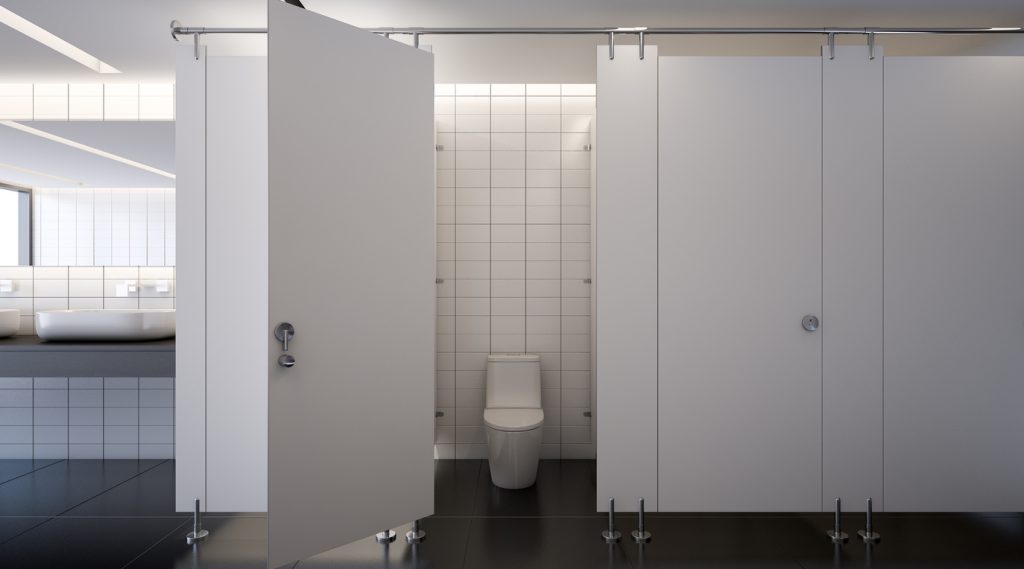
Workplaces, shops, schools, restaurants and hotels need a sanitary waste arrangement that people can use discreetly and that cleaners can manage safely. If you are searching for disposable sanitary bins or a sanitary bin service, the decision is about the whole routine: placement, closure, liners or exchange units, cleaning, collection and destination. Buying a container alone does not establish a disposal service.
What goes into a sanitary disposal unit?
Describe the intended items to the collector, such as menstrual products from an ordinary washroom. Healthcare environments may generate contaminated materials requiring a different assessment. Keep needles, blades, batteries and chemical containers out of an ordinary sanitary unit. Signs should state accepted items simply, without forcing users to disclose personal information.
Do not apply an overseas bin-colour chart or waste-code list as if it is a Nigerian classification. Use the relevant local and specialist requirements for the actual premises. For healthcare material, consult the Nigerian healthcare waste regulations and the responsible facility lead.
Disposable bins, liners or an exchange service?
| Arrangement | Ask before ordering |
|---|---|
| Reusable unit with liner | Who supplies compatible liners, removes them and cleans the unit? |
| Serviced exchange unit | How often is the unit exchanged and what happens if it fills early? |
| Disposable sanitary bin | How is the filled unit closed, stored and collected? Is the whole unit accepted? |
| Multiple washrooms | Which rooms receive units, who checks them and how are services recorded? |
Confirm dimensions, accessibility, usable capacity and closure. A unit should fit the washroom layout without obstructing movement. Ask whether the proposed lid or mechanism can be operated conveniently by intended users. Odour-control products do not replace timely collection and cleaning.
Choose frequency from actual use
Assess occupancy, opening hours, visitors, shifts and peak events. A rarely used office washroom differs from a busy restaurant or school. Ask the provider what routine is suitable for the actual volume and classification, then review early fullness or odour complaints. Avoid promising a fixed weekly or monthly schedule is appropriate for every business.
Agree an escalation contact and a practical plan for holidays, closures and missed visits. Explain where filled units can be held under the approved procedure. Do not allow uncontrolled accumulation in a public corridor or near food storage.
Protect cleaners and maintain privacy
Staff should follow the approved method for closing, moving and storing the unit, with suitable training and protective equipment. Do not ask cleaners to sort used contents by hand. The process should avoid unnecessary contact and prevent waste escaping during movement.
Keep routine logs focused on the service: unit location, inspection, replacement and collection. Individual washroom users do not need to be identified. If a unit contains an unexpected sharp or unknown chemical, restrict handling and refer it to the responsible manager or specialist rather than treating it as ordinary sanitary waste.
How to compare sanitary-bin service prices
Provide the number of units, premises address, washroom locations, opening hours, estimated use and preferred service window. Ask whether the quote includes supply, liners, exchange, cleaning, transport, destination charges and extras. Confirm replacement charges, contract length, notice period and arrangements for a unit that fills before the next visit.
A price per unit is not directly comparable with a whole-premises contract that includes other collections. Request the same specification from each provider. No verified universal Nigerian sanitary-bin rental or collection rate is published here; the service must be quoted for the actual location and scope.
Lagos, Abuja and healthcare locations
Check local collection arrangements and ask the actual provider whether it accepts your waste. In Lagos, LAWMA operator information can help identify the relevant verification route. For clinics and hospitals, confirm specialist arrangements separately; ordinary sanitary service does not establish medical-waste authorisation.
Sanitary-bin service checklist
Use this checklist to prepare your enquiry. Selections stay in this page only.
How Travo can help
Travo can discuss workplace waste and logistics enquiries; give the team the sanitary-service specification so it can confirm the available arrangement. Send a waste enquiry to Travo with your location, material description, quantity, access and preferred date. Its service catalogue includes rubbish collection and skip hire. Confirm acceptance, coverage, the actual collector and receiving destination before booking.
Related reading: commercial waste bins, restaurant waste management, office waste collection and biohazard waste handling.
