


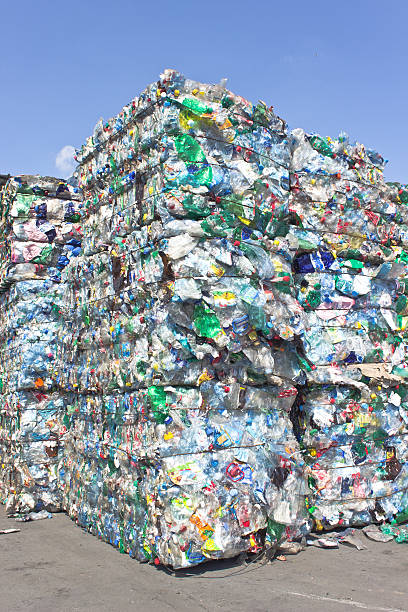
Plastic recycling in Nigeria starts with matching a material to a receiver that actually accepts it. If you want recyclable plastic collection, a buyer for plastic scrap or a recycling hub near you, identify the type, condition, quantity and location before arranging transport.
Travo can discuss recycling pickup and material-movement enquiries. Acceptance, buy-back offers and receiving-facility availability need confirmation for the particular load. This guide helps households, estates, businesses and aggregators prepare a useful enquiry rather than assume every plastic item has a buyer.
What plastic have you collected?
PET bottle recycling concerns a particular plastic stream; mixed packaging is a different proposition. Keep materials identifiable and ask the receiver for written acceptance specifications. A bottle’s appearance or recycling symbol is not enough to establish what the local programme accepts.
The US EPA recycling guidance explains that a resin-identification code does not guarantee local recyclability. The technical distinction is useful in Nigeria too, but local collection rules must come from your actual operator.
| Material description | Question for the receiver |
|---|---|
| PET drinks bottles | Which colours, caps, labels and contamination levels are accepted? |
| Rigid containers | Which polymers and previous contents are allowed? |
| Plastic film or sachets | Is there a specific collection and processing route? |
| Mixed or multilayer packaging | Can this load be processed, or must it be sorted differently? |
| Factory offcuts | Can the grade, composition and process contamination be documented? |
| Chemical or hazardous-product containers | Does a specialist assessment and handling route apply? |
Plastic waste buyers: confirm the sale specification
Before collecting a large stockpile, ask a potential plastic scrap buyer which grade is required and how it must be presented. Request minimum quantity, accepted condition, inspection method, weighing arrangements and reasons for rejection or deductions.
Keep bottle streams and other plastics separate according to the buyer’s instructions. Do not assume washing, crushing, baling or shredding will increase value: the receiver may require a different preparation standard. Processing equipment also requires suitable safety controls and trained operation.
For manufacturing material, read our industrial waste recovery guide. Clean production offcuts and post-consumer packaging may need different specifications and evidence.
Buy-back recycling and payment terms
A waste buy-back programme may offer payment, account credit or another agreed incentive for accepted material. An ordinary recycling pickup may instead involve a collection fee. Establish which arrangement you are being quoted rather than assuming the collector will pay you.
Request the current rate for the specified grade and condition, the quote validity, accepted-weight basis and payment timing. Prices can change and vary between buyers. This guide does not publish an invented national price per kilogram.
Compare net proceeds after sorting, storage, loading, transport and any rejection costs. A higher quoted buying rate may be less attractive if you bear a longer journey or substantial deductions. Keep a weighing and acceptance record and agree how disagreements are resolved.
Recycling centres and hubs in Nigeria
A recycling centre can be a drop-off point, an aggregation hub or a processing facility. These are different roles. Confirm the actual address, opening arrangements, accepted materials and whether the location receives public deliveries or only contracted commercial loads.
In Lagos, LAWMA’s registered-recycler resources provide an official starting point for checking operators. Confirm current details directly before travelling. Other states have their own authority and provider checks.
Ask what happens after aggregation. Delivery to a hub does not, on its own, prove processing into recycled plastic. If you need recovery reporting, identify the downstream processor and the evidence available.
Plastic collection and recycling logistics
Record pickup locations, container or bag counts, approximate volume and loading access. Plastic bottles can occupy substantial space before aggregation, so vehicle selection should consider volume as well as weight. Agree how the receiver’s acceptance standard will be maintained in transit.
For community recycling, define collection days and a supervised holding point. Train participants on the accepted stream and keep ordinary refuse out of it. Appoint someone to record loads, handle questions and follow up rejected material.
Travo can discuss collection coordination and suitable bulk transport requirements. A normal truck booking should not be treated as authorisation for regulated waste. Declare the material and confirm the applicable provider and handling route.
Plastic recycling plants and recycled-material supply
A plant enquiry should specify what the facility actually does: sorting, washing, flaking, pelletising or another process. Ask about input specifications, operating capacity, output quality and management of residues and wastewater. A stated machine capacity is not the same as proven throughput or reliable sales.
Businesses buying recycled plastic should request the grade, consistent quality evidence and suitability for the intended product. Do not assume every recovered plastic meets food-contact or other regulated-use requirements. The relevant technical and regulatory assessment must support that use.
Measure recovery without overstating it
Keep separate figures for material collected, rejected, accepted by a receiver and confirmed processed. Avoid calling every collected kilogram recycled. Match records across collection, weighing, handover and downstream processing where the claim requires it.
Plastic recovery can support circular-economy goals, but reduction and reuse still matter. Buying or recovering more material does not automatically demonstrate a zero-waste operation. Use evidence-based targets and disclose the measurement boundary.
For routine premises collections, use our national rubbish-collection guide and waste company comparison guide.
Plastic recycling and buy-back checklist
Use this checklist to prepare your enquiry. Selections stay in this page only.
Request recycling logistics support from Travo
Provide the material type, estimated quantity, location, photographs where useful and intended receiver if known. Ask Travo to confirm collection scope and destination arrangements. If you are seeking a buyer, state that explicitly; transport availability is different from a confirmed purchase offer.
Common plastic recycling questions
Are all plastics recyclable in my local programme?
No. Confirm the actual receiver’s accepted materials and preparation requirements.
Does PET recycling mean all plastic bottles can be mixed?
Do not assume so. Follow the receiver’s polymer, colour, contamination and packaging specifications.
