

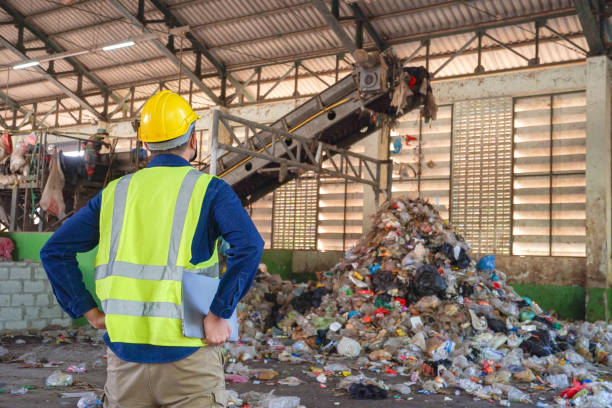
Food waste can become a serious operational problem for restaurants, hotels, supermarkets, caterers, estates, and food-processing businesses when collection is poorly organised. Reliable food waste disposal in Lagos is not simply about removing rubbish. It requires proper storage, timely pickup, suitable transport, and planning around Lagos traffic.
A restaurant in Lekki, for example, cannot allow bags of vegetable cuttings, leftover meals, spoiled ingredients, and kitchen waste to remain behind the building for several days. Apart from unpleasant smells, accumulated organic waste can attract flies, rodents, and other pests.
Travo.ng can support businesses that need organised waste collection, transport coordination, and other logistics services across Lagos.
How quickly food waste should leave your premises
Food businesses usually generate waste every operating day. Busy restaurants around Victoria Island, Ikeja, Surulere, Yaba, and Lekki may fill several waste containers after lunch and evening service alone.
For this reason, collection frequency should match the amount of waste being produced.
A small café may manage scheduled pickups a few times each week, while a large restaurant, hotel kitchen, supermarket, or catering facility may require daily collection.
Waiting until bins are overflowing often creates a bigger problem. Waste becomes heavier, liquids leak from bags, smells increase, and loading takes longer.
Businesses should estimate their daily waste volume before arranging a collection schedule.
Separate food waste before the collection vehicle arrives
Good food waste disposal in Lagos starts inside the kitchen or business premises.
Organic waste should not automatically be mixed with cartons, bottles, plastics, broken equipment, or other commercial rubbish. Separating materials makes handling easier and can support recycling or specialised waste processing where available.
Kitchen teams can use clearly labelled containers for:
- Vegetable and fruit waste
- Leftover cooked food
- Spoiled ingredients
- Packaging materials
- Bottles and recyclable containers
- General non-food waste
Containers should also have secure covers, particularly in outdoor holding areas.
Lagos traffic can affect waste collection times
Collection planning in Lagos has to account for traffic.
A vehicle travelling between Lekki and the mainland during peak periods can spend far longer on the road than expected. Similar delays occur around major commercial areas such as Ikeja, Apapa, Victoria Island, and Lagos Island.
Businesses should therefore avoid treating waste pickup like an emergency every day.
Scheduled collections provide better control. If a restaurant normally finishes major food preparation by mid-afternoon, for instance, collection can be coordinated around an agreed operating window rather than waiting until bins become completely full.
Travo.ng’s transport coordination and business logistics support can help companies organise movements around realistic Lagos operating conditions.
Restaurants need a plan for unusually busy periods
Waste volumes are not always consistent.
Restaurants and hotels may generate considerably more food waste during weekends, weddings, corporate events, festive periods, or large catering jobs.
December is a good example. Hospitality businesses can experience heavier customer traffic, while event caterers may handle multiple jobs within the same week.
Businesses expecting increased activity should arrange additional collection capacity beforehand instead of assuming their normal schedule will cope.
The same applies after large conferences, parties, hotel functions, and supermarket promotions.
Avoid leaving waste where collection becomes difficult
Collection vehicles need practical access.
Placing waste containers deep inside a congested compound, beside parked vehicles, or in an area where loaders cannot work efficiently can slow the entire process.
Where possible, businesses should create a designated collection point that is accessible without interfering with customers or normal operations.
For larger commercial locations, the waste volume, number of containers, loading access, collection frequency, and destination should all be discussed before service begins.
Arrange food waste disposal in Lagos before it becomes urgent
Regular waste removal is easier and more hygienic than dealing with overflowing bins after the problem has already developed.
Restaurants, hotels, caterers, supermarkets, estates, offices with large kitchens, and other organisations can build waste collection into their normal logistics schedule.
Travo.ng can assist with food waste disposal in Lagos, rubbish collection coordination, transport support, and related business logistics requirements. By arranging collections around actual waste volumes, accessible pickup points, and realistic Lagos traffic conditions, businesses can keep their premises cleaner while avoiding unnecessary operational disruption.
Food waste statistics: what the figures actually measure
The UNEP Food Waste Index Report 2024 estimates 1.05 billion tonnes of food waste in 2022, including inedible parts. This was about 19% of food available to consumers. Households accounted for 60%, food service 28% and retail 12%. These are global estimates for 2022, not a measured Lagos total or a current-year Nigerian figure.
When reading food waste news, check the measurement year, location and definition. Food discarded in shops, kitchens and households differs from losses earlier in harvesting, storage and distribution. Avoid combining these percentages into a single unsupported total.
A practical food waste management log
| Record daily | Use the result to |
|---|---|
| Preparation waste | Review trimming and recipe quantities |
| Expired or spoiled stock | Improve ordering, temperature control and stock rotation |
| Unserved cooked food | Adjust batch size and demand forecasts |
| Customer plate waste | Review portion options and menu feedback |
Measure consistently for one ordinary trading week before setting targets. Track kilograms and cost where possible; a bin count alone changes with packing density. Assign responsibility for recording, review the largest avoidable category first and compare equivalent weeks.
Restaurant waste collection and pest prevention
Keep food waste in suitable closed, cleanable containers away from food preparation and access routes. Check lids, leakage and collection frequency. Maggots indicate flies have had access to suitable material; repeated spraying without removing the source will not solve the storage problem. Report persistent infestation to an appropriate pest professional.
Agree whether food waste is accepted separately, which liners are permitted and where it will be taken. Keep glass, knives, chemicals and clinical waste out. For packaging, see waste recycling options.
Travo lists rubbish collection and skips alongside delivery and logistics services. Send an enquiry with your location, waste volume, storage space and preferred schedule. For preventing spoilage before waste occurs, explore better food storage and delivery planning.
For businesses managing London premises as well, the Lambeth trade waste guide and London pest-control and food hygiene guide explain the separate local collection and treatment questions. Confirm the rules where each site operates.
