


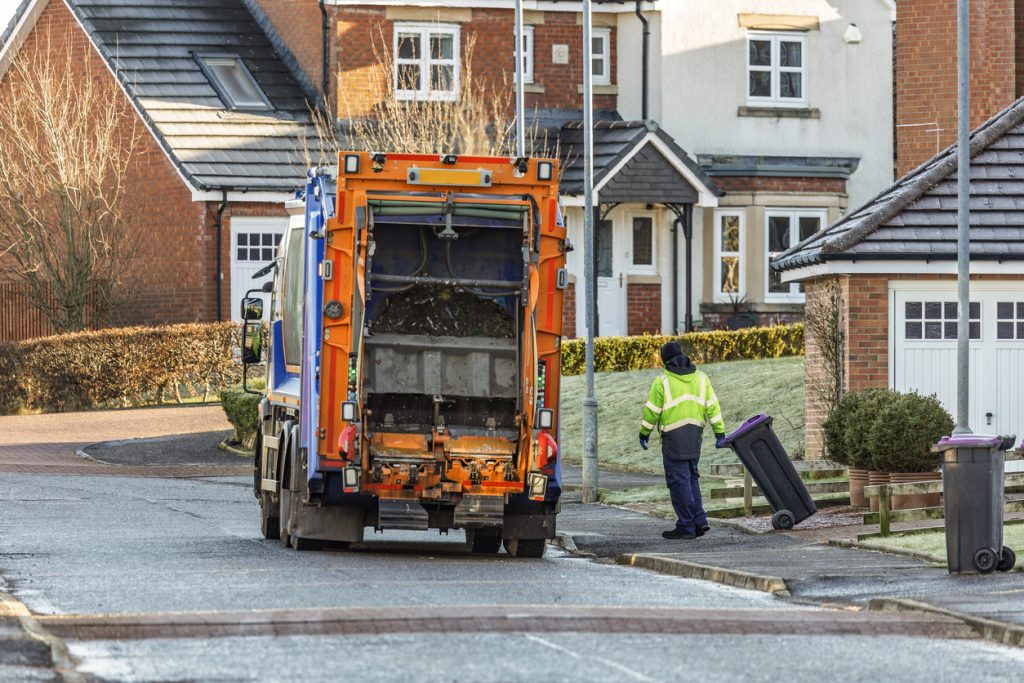
Searching for commercial waste in Lambeth usually means you need a collection that keeps a shop, restaurant, office or other business running without bags accumulating outside. The correct starting point is a local business waste service, an accepted waste stream and a collection arrangement suited to your address.
This guide is for the London Borough of Lambeth. It explains the council’s published business waste route and the questions to ask a private contractor. It does not establish that Travo collects waste in London; Travo’s Nigerian service information appears separately below.
Business waste is separate from household rubbish
Lambeth Council’s business waste guidance says commercial activity produces business waste, including activity in part of a home. Business rates do not include collection costs. The council requires businesses to minimise waste, keep it sorted and securely stored, and have waste transfer notes for loads leaving their premises.
Check the current council page before booking, particularly if your premises or operating hours have changed. A household bin collection is not a substitute for a business arrangement. A contractor should know the type and quantity of material it will collect.
How to arrange a Lambeth trade waste collection
Lambeth’s published route is its commercial services team, currently working with a specialist collection partner. The council page provides contact details for discussing requirements and prices. You may also choose another appropriate registered carrier. Verify the current registration and actual service area before agreeing a contract.
Prepare your business address, opening hours, waste streams, estimated weekly volumes and access details. Ask whether the collection uses sacks or bins, whether containers are supplied and where waste must be presented. Keep a record of the agreed schedule and your account reference.
| Business | Key collection questions |
|---|---|
| Restaurant or café | Food waste frequency, storage hygiene, glass and packaging separation |
| Retail shop | Cardboard volumes, storage space and seasonal peaks |
| Office | General waste, dry recyclables and a separate confidential paper route |
| Renovation project | Construction materials, container permissions and specialist exclusions |
Timed collections and public-space restrictions
The council identifies timed collection arrangements in Brixton, West Norwood, Streatham, Waterloo and Clapham town centres. Its guidance says affected businesses use sacks rather than bins on public land and must follow the applicable collection times, regardless of contractor.
Confirm whether your precise address is in a timed area. Do not infer a collection window from another street or a neighbouring business. Ask your contractor how the collection schedule and presentation rules work together, especially if you close late or receive frequent deliveries.
General waste bins and retail waste
Select containers around real output and available space. A larger bin that blocks a doorway or cannot be moved safely is not an improvement. Check lid closure, permitted weight and whether the collection crew needs keys or access codes. Arrange additional capacity before predictable peaks rather than leaving excess sacks beside the bin.
Retail waste often includes cardboard, film packaging and damaged stock. Ask which materials are accepted separately and what contamination means under the contract. Keep clean cardboard dry and avoid mixing it with food residue or hazardous products. Returned electronics, batteries and chemicals need their own assessment.
Restaurant waste collection and food safety
Food waste requires a storage and collection plan that prevents accumulation and pests. Use suitable closed containers and maintain clean storage areas. Review preparation waste, expired stock and unserved food so disposal is accompanied by waste prevention.
The Food Standards Agency’s pest control guidance provides a useful food-business reference. If flies, rodents or maggots persist, investigate the source and obtain competent help. Do not spray food-contact areas or combine pest products without approved instructions.
Hazardous and clinical materials need a different route
Lambeth’s business waste page states that its ordinary collection does not take clinical or hazardous waste. Identify these materials before requesting a standard trade waste price. Paint residues, certain chemicals, healthcare waste and sharps should not be hidden inside general rubbish or recycling sacks.
Describe the materials to a specialist and confirm authorisation, containers, treatment and documentation. If classification is uncertain, obtain advice before moving the waste. A low quote for ordinary rubbish does not cover every material generated on a business site.
Compare prices and contract terms
Request a written scope with container type, collection frequency, weight limits, extra lifts, missed collection procedure, taxes and other fees. Check the minimum term, renewal and cancellation requirements. Ask how prices can change and how disputes or service failures are handled.
A short waste audit helps you compare offers. Record the volumes and categories produced during an ordinary week. Separate recurring waste from a one-off clear-out, and ask whether either arrangement is more economical for the actual job.
Useful next steps and related guides
For Lambeth, start with the council’s current business waste page or an appropriate registered local carrier. For comparing broader contracts and named companies, read our waste disposal company guide.
If you manage premises in Nigeria as well, Travo lists rubbish collection and skips. Contact Travo to confirm a Nigerian enquiry’s location and materials. Our Lagos food waste guide and site waste planning guidance can help you prepare a separate local scope.
