


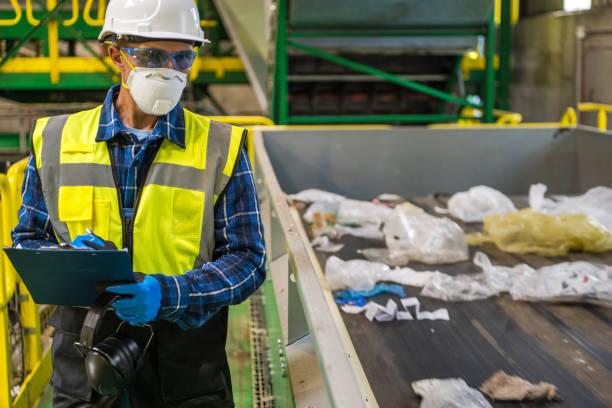
Trying to minimize food waste Lagos businesses deal with is not simply a matter of buying better refrigerators. Food often begins to lose value long before it reaches storage. Delayed pickups, Lagos traffic, poor packaging, unreliable power, and leaving fresh produce at room temperature for too long can all shorten shelf life.
For restaurants, supermarkets, caterers, food vendors, farms, and online grocery businesses, even a few hours of poor handling can mean spoiled vegetables, soft fruit, damaged frozen products, or meat that can no longer be sold safely.
The practical solution is to treat storage and transportation as one connected process rather than separate activities.
Where Lagos Food Businesses Usually Lose Fresh Stock
Fresh products often pass through several stages before reaching the customer. Tomatoes may arrive from Mile 12, frozen meat may be collected from a supplier in Ikeja, while seafood could be moving from Lekki toward restaurants on Victoria Island.
Problems normally start when there is too much waiting between those stages.
Common causes include:
- Produce sitting outside cold storage after delivery
- Refrigerated products transported in unsuitable vehicles
- Poorly insulated packaging
- Long traffic delays without temperature protection
- Buying more stock than available storage can handle
- Inconsistent electricity at storage locations
During heavy traffic on routes such as Lekki–Epe Expressway, Third Mainland Bridge or Lagos–Ibadan Expressway, what was planned as a 45-minute movement can easily take much longer.
That extra time matters when the cargo is temperature-sensitive.
Match Storage Space to How Quickly You Sell
One of the easiest ways to minimize food waste in Lagos is to stop treating storage as somewhere to keep excess stock indefinitely.
A restaurant that uses 40 crates of vegetables every week does not necessarily need to receive everything at once. Smaller scheduled deliveries can reduce the amount of food exposed to spoilage.
Businesses should separate stock according to how quickly it moves:
- Products needed immediately
- Items required within the next few days
- Frozen or longer-life inventory
- Stock already approaching its use-by date
Using a first-in, first-out system also helps prevent older products from becoming forgotten behind newer deliveries.
Cold Storage Is Only Useful If Transport Is Planned Properly
Putting products into temperature-controlled storage will not solve the problem if they spend hours in unsuitable conditions before or after storage.
For example, frozen poultry collected from a cold room in Lagos should move into appropriate transportation quickly. Leaving cartons outside while waiting for a vehicle can interrupt the cold chain before the delivery even starts.
Travo.ng can support businesses with transport coordination, cargo movement and delivery arrangements so that collections and onward deliveries are planned around actual storage requirements.
For businesses handling fresh groceries or temperature-sensitive goods, coordinated pickup times are especially important.
Schedule Deliveries Around Lagos Traffic
Delivery timing can have a noticeable effect on spoilage.
A supplier sending fresh food from Ikeja to Lekki during peak traffic may experience significantly longer transit times than an early-morning movement.
Where possible, businesses should:
- Schedule bulk collections outside severe traffic periods
- Confirm that receiving staff are available before dispatch
- Avoid sending perishables to locations that are not ready to receive them
- Combine nearby deliveries when temperature requirements allow
- Use appropriate vehicles for sensitive cargo
Travo.ng delivery and business logistics support can help coordinate these movements rather than leaving businesses to arrange separate drivers for every shipment.
Watch the Small Operational Mistakes
Some food losses have little to do with major equipment failures.
A delivery arriving before a cold room has space can create unnecessary exposure. A restaurant ordering far more vegetables than its weekend demand can also create avoidable waste.
Check stock levels before placing another order. Confirm storage capacity before dispatch. Label products clearly with arrival dates. Inspect packaging immediately when goods arrive.
These small habits are often cheaper than replacing spoiled inventory.
Build a More Reliable Food Supply Routine
Businesses trying to minimize food waste Lagos should focus on the full journey of their products: purchasing, collection, transportation, storage and final delivery.
Good cold storage is important, but timing and coordination matter just as much.
Travo.ng helps Lagos businesses arrange practical logistics support, including cargo transportation, scheduled deliveries and movement of temperature-sensitive goods. With better planning between suppliers, storage points and customers, businesses can protect more of the food they buy and reduce the money lost through unnecessary spoilage.
