


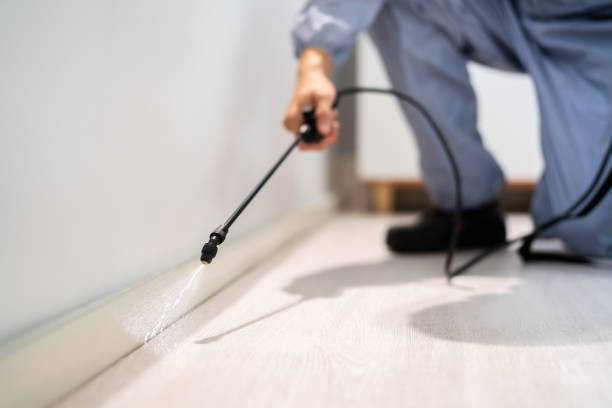
When you search for London pest control, you may need help with an infestation, but also want to know whether a treatment is safe for your family, staff, customers or pets. The useful answer depends on the pest, product, method, premises and exposure controls. A blanket assurance that all exterminator spray is safe for humans is not reliable.
This guide explains how to prepare for a London pest-control enquiry, what to ask about chemical treatment and how food businesses can address pest activity at its source. It offers general preparation guidance, not instructions for using professional pesticides yourself.
Is pest control safe for humans?
Risk can be reduced through appropriate product selection, competent use and exposure controls. The Health and Safety Executive’s biocide guidance says users should consider alternatives, follow labels and use products intended for their user category. Public users should not use products restricted to professionals.
Before booking, disclose relevant circumstances to the provider, such as children, pregnancy, respiratory conditions, pets and food preparation. Ask whether a non-chemical method is suitable. Request the product name, treatment locations and preparation, ventilation, cleaning and re-entry instructions. If someone feels ill after exposure, seek prompt medical advice and retain the product information.
Is exterminator spray safe for humans?
“Exterminator spray” is a broad description, not a safety classification. Different products and application methods have different controls. Do not use smell, dryness alone or a contractor’s informal reassurance as a substitute for the specific instructions applicable to the job.
Ask the technician to explain what will be applied and where, how people and animals will be protected, and which areas must remain untouched afterwards. Do not add another pesticide or cleaning chemical while a treatment is active without checking the instructions. More product is not automatically more effective.
Choosing a London provider
State your borough and postcode, property type, pest signs, duration and previous treatments. Photographs of droppings, damage or insects may help identification if they can be taken safely. Do not assume a pest from a single bite or an unclear image; an inspection may be necessary.
Ask about the treatment plan, visits included, follow-up, proofing recommendations and exclusions. Clarify whether removal of dead animals, difficult access or building repairs are included. A useful quote distinguishes investigation, treatment and prevention rather than promising an unexplained permanent result.
If your property is in Lambeth, the council’s pest-control service page is one local starting point. Confirm eligibility, prices and current availability directly. Council services and private contractors can have different scopes, so compare the actual proposed work.
Pest control and food safety
For restaurants, cafés, shops and food warehouses, the purpose is to protect food and prevent recurrence. The Food Standards Agency’s safe-method guide addresses pest checks and corrective action. A chemical visit alone does not replace hygiene, inspection or maintenance.
| Check | Question for the food business |
|---|---|
| Deliveries and storage | Are incoming goods checked and stored so pest signs can be spotted? |
| Waste area | Are containers closed, clean and collected before overflow? |
| Building access | Are gaps, screens and damaged doors being addressed? |
| Evidence and records | Are sightings, actions and contractor recommendations documented? |
| Food-contact surfaces | Are protection and cleaning instructions agreed before treatment? |
If pest contamination is suspected, isolate affected food and obtain competent advice on the appropriate action. Do not simply remove visible insects and continue serving the product. Brief staff on reporting signs quickly and record any corrective work needed after the contractor’s visit.
Pest control for maggots: investigate the source
Maggots are fly larvae. In waste areas, recurring activity often points to accessible organic material and an inadequate storage or pickup arrangement. Identify where activity occurs, whether lids close, whether containers leak and how long waste remains onsite.
Arrange appropriate removal and container cleaning, and prevent flies reaching the material. Persistent or unexplained activity needs professional assessment, particularly inside food premises or where a hidden animal carcass may be involved. Avoid improvised chemical mixtures or spraying waste near food, pets, drains and water features.
For London food businesses, coordinate waste pickup with the pest plan. Our Lambeth commercial waste guide explains collection questions and local restrictions. Improved containment and timely collection make prevention practical.
A useful pre-treatment checklist
Check these items with your provider
Keep a copy of the treatment report and the provider’s contact route. Report continuing activity within the agreed follow-up process instead of repeatedly applying additional products yourself. If the premises are rented, coordinate with the landlord or managing agent where responsibility is shared.
Travo and related Nigerian services
This article does not claim Travo has a London pest-control team. Use an appropriate local provider for London work. For enquiries about Nigerian premises, contact Travo to establish current scope and availability. See the existing Nigeria pest-control coordination guide.
Travo’s catalogue lists rubbish collection and skips, which may help ordinary waste planning after scope confirmation. Our food waste management guide explains source reduction and storage questions for Nigerian businesses.
