


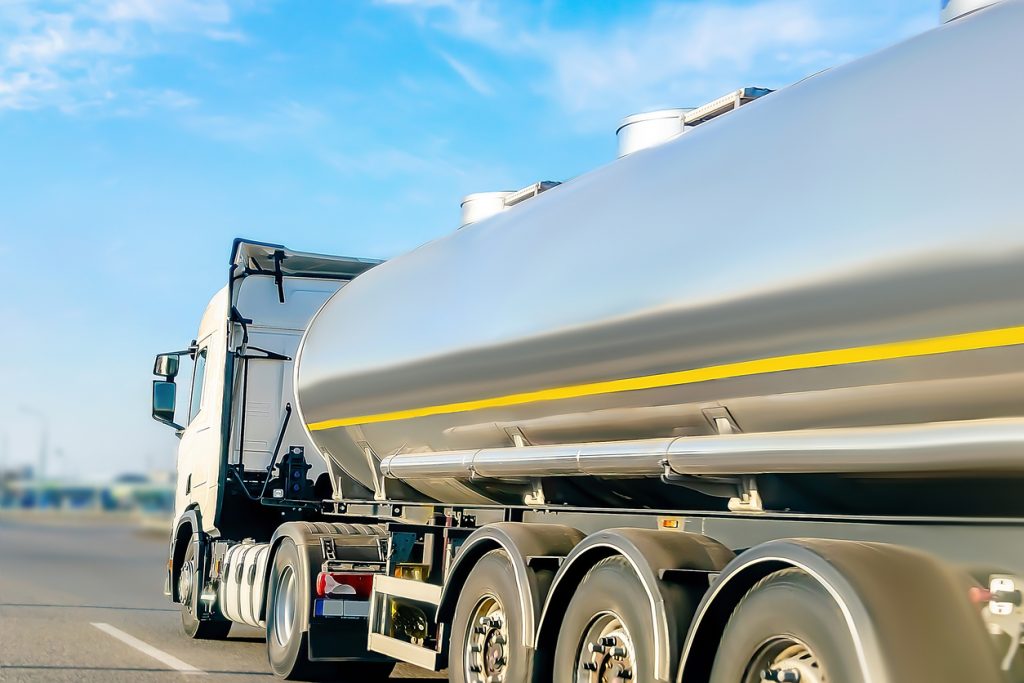
Running fuel fleet operations Nigeria is not just about having trucks on the road. It involves timing, route planning, driver coordination, fuel availability, delivery documentation, vehicle condition, and constant communication with customers or depot managers.
For many Nigerian businesses, the real challenge is not moving products from one point to another. It is keeping every movement predictable despite traffic, bad roads, loading delays, fuel price changes, and last-minute customer requests.
That is where practical logistics support makes a difference. Travo.ng helps businesses coordinate transport, delivery, cargo movement, vehicle hire, and related logistics services with a strong understanding of how Nigerian routes actually work.
What Fuel Fleet Managers Deal With Daily
A company moving petroleum products, diesel, lubricants, equipment, or related supplies across Nigeria has to manage several moving parts at once.
A typical day may include:
- Confirming truck availability
- Checking driver readiness
- Planning loading and offloading windows
- Monitoring road conditions
- Handling delivery notes and customer updates
- Managing delays around depots, warehouses, and busy routes
- Coordinating emergency vehicle support when a truck breaks down
In cities like Lagos, Port Harcourt, Warri, Abuja, Ibadan, Onitsha, and Kano, one delay can affect the whole delivery schedule. A truck stuck around Apapa, Mile 2, Ijora, or the Lagos-Ibadan Expressway can easily miss a delivery window if there is no backup plan.
Common Routes Used in Fuel and Fleet Movement
Fuel-related logistics often depend on strong route knowledge. Some common corridors include:
- Lagos to Abuja
- Lagos to Ibadan
- Port Harcourt to Aba
- Warri to Benin
- Lagos to Onitsha
- Abuja to Kaduna
- Lagos to Kano
- Port Harcourt to Uyo
Each route has its own issues. Lagos to Abuja may require careful timing because of distance and checkpoints. Lagos to Ibadan can look simple on paper but still suffer from traffic around Berger, Mowe, Sagamu, and Ibadan entry points. Port Harcourt and Warri routes may require more attention to road condition, vehicle condition, and loading coordination.
Good fuel fleet operations Nigeria should always include route assessment before dispatch, not after problems start.
Why Delays Happen in Fleet Operations
Many fleet delays are avoidable. The most common problems include poor dispatch planning, weak driver communication, lack of spare vehicle options, and unrealistic delivery promises.
For example, a business may promise same-day delivery from Lagos to another state without considering loading time, traffic, vehicle inspection, and customer receiving hours. In real operations, a job that looks like “just send the truck” may require several checks before movement begins.
This is why businesses need logistics partners that understand Nigerian timing, not just map distance.
How Travo.ng Supports Business Fleet Movement
Travo.ng provides practical support for companies that need transport coordination, courier services, delivery services, cargo logistics, vehicle hire, and business logistics assistance across Nigeria.
For businesses involved in fuel-related supply chains, Travo.ng can help with:
- Coordinating vehicles for scheduled movement
- Supporting urgent delivery needs
- Arranging transport for staff, supervisors, or field teams
- Helping with cargo and equipment movement
- Planning airport pickups for visiting contractors or partners
- Supporting hotel reservations for field teams
- Managing logistics around interstate business trips
The goal is to reduce the stress of arranging everything separately. Instead of calling different transporters, drivers, hotels, and delivery contacts, businesses can use Travo.ng to coordinate key movement needs from one place.
What Businesses Should Confirm Before Dispatch
Before sending out any vehicle or delivery team, it helps to confirm a few things:
- Is the route suitable for the vehicle?
- Has the customer confirmed receiving time?
- Is there a backup contact at the destination?
- Are delivery documents complete?
- Is the driver familiar with the route?
- Has traffic or road condition been considered?
- Is there support if the vehicle breaks down?
These small checks can prevent expensive delays. In fuel fleet operations, one missed delivery can affect construction sites, factories, hotels, farms, telecom sites, or businesses that rely on steady fuel supply.
Typical Cost Factors in Fleet and Logistics Planning
Pricing for fleet support in Nigeria depends on distance, vehicle type, urgency, route risk, loading requirements, and whether the movement is within a city or interstate.
For example, moving items within Lagos may be priced differently from coordinating cargo from Lagos to Abuja or Port Harcourt to Onitsha. Same-day delivery, weekend movement, night dispatch, and special handling can also affect cost.
The best approach is to request a clear quote before dispatch. Travo.ng helps customers understand available options so they can choose what fits their timing and budget.
A More Practical Way to Manage Movement
Fuel fleet operations Nigeria require more than vehicles. They require planning, communication, reliable coordination, and local experience.
Whether you are moving business supplies, arranging staff transport, coordinating cargo, booking hotels for a field team, or managing delivery across Nigerian routes, Travo.ng offers practical logistics and travel support that fits real operating conditions.
For businesses that cannot afford missed schedules, scattered communication, or unreliable transport arrangements, working with a locally aware partner can save time, reduce stress, and keep operations moving.
