


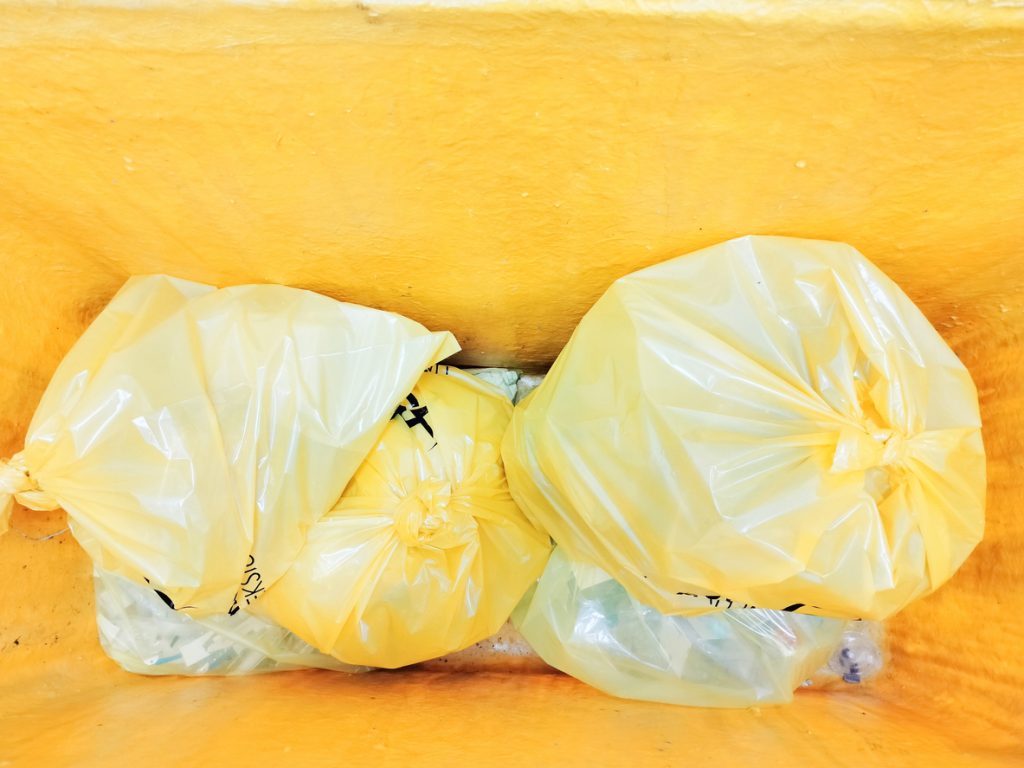
Market waste management in Lagos is a daily operational challenge for traders, market associations, food vendors, wholesalers, and businesses working around crowded commercial areas. A market can generate large amounts of vegetable scraps, cartons, nylon, damaged packaging, food waste, plastic bottles, and other rubbish within only a few hours.
When collection is delayed, waste quickly blocks walkways, attracts pests, produces unpleasant smells, and makes loading or unloading goods more difficult. For busy markets, waste removal needs to be planned almost like deliveries: the right vehicle, collection point, timing, and disposal arrangement all matter.
Travo.ng helps businesses and market operators coordinate practical waste collection and transport support across Lagos.
Market Waste Builds Up Faster Than Many Businesses Expect
Waste generation in a Lagos market is rarely steady throughout the day. Early mornings may produce discarded cartons and packaging as traders receive stock. Food sections generate organic waste continuously, while closing periods often create another large volume when stalls are cleaned.
Markets around areas such as Mile 12, Mushin, Lagos Island, Agege, and Surulere can also experience congestion that makes collection difficult during peak trading periods.
Leaving removal until waste has already overflowed usually creates a bigger problem. A better arrangement is to establish collection intervals based on how much rubbish the market actually produces.
Large food sections, for example, may require more frequent evacuation than areas selling clothing, electronics, or household items.
The Best Collection Time Is Usually Outside Peak Trading Hours
Vehicle access can determine whether market waste management in Lagos runs smoothly or becomes disruptive.
Sending a collection vehicle into a busy commercial area during the busiest part of the day may mean spending unnecessary time in traffic or struggling to reach the designated loading point.
Where possible, waste evacuation can be arranged:
- Early in the morning before heavy customer traffic
- After major trading hours
- At scheduled intervals agreed with market representatives
- Immediately after unusually large deliveries or market activities
For markets with narrow access roads, smaller collection vehicles may also be more practical than sending a large truck that cannot manoeuvre properly.
Travo.ng can support the transport coordination involved in moving collected waste while considering vehicle access and Lagos traffic conditions.
Separate Organic Waste From Packaging Where Possible
Mixed waste is harder to handle efficiently.
Fresh produce markets may generate spoiled vegetables, fruit, leaves, and other biodegradable material. Other sections may produce cartons, plastic wrapping, sacks, bottles, and damaged pallets.
Creating separate collection points helps prevent the entire waste area from becoming an uncontrolled pile.
Market operators can designate containers or zones for:
- Organic and food waste
- Cartons and paper materials
- Plastics and bottles
- General non-recyclable rubbish
This also makes recycling or composting arrangements easier where suitable facilities are available.
Poor Waste Storage Can Affect Daily Market Operations
A waste problem does not only affect cleanliness.
Overflowing rubbish can block handcarts, delivery vans, and traders moving stock between stalls. During rainfall, poorly stored waste may also move into drainage channels and worsen already difficult conditions around busy commercial streets.
Businesses receiving stock should therefore avoid using delivery or loading areas as temporary dumping points.
A defined waste holding area, combined with dependable collection, keeps commercial movement more organised.
Plan Collection Around the Market’s Actual Waste Volume
There is no single collection schedule that works for every market.
A small neighbourhood market may require periodic pickups, while a large food or wholesale market can produce enough waste to justify daily or multiple scheduled collections.
Before arranging a service, estimate:
- Approximate daily waste volume
- Type of waste produced
- Number of collection points
- Vehicle access
- Preferred pickup hours
- Frequency of evacuation required
These details help determine the appropriate transport arrangement and prevent repeated emergency pickups.
Arrange Market Waste Management in Lagos With Travo.ng
Reliable market waste management in Lagos depends on consistent coordination rather than waiting until rubbish becomes unmanageable.
Travo.ng can help businesses, market operators, property managers, and commercial facilities arrange waste collection and transport support based on their location and operating schedule.
The same logistics experience used for cargo movement, business deliveries, vehicle coordination, and other transport services can also support organised waste evacuation.
Instead of dealing with overflowing collection points or searching for transport at the last minute, businesses can schedule the movement required and keep their trading environment easier to manage.
