


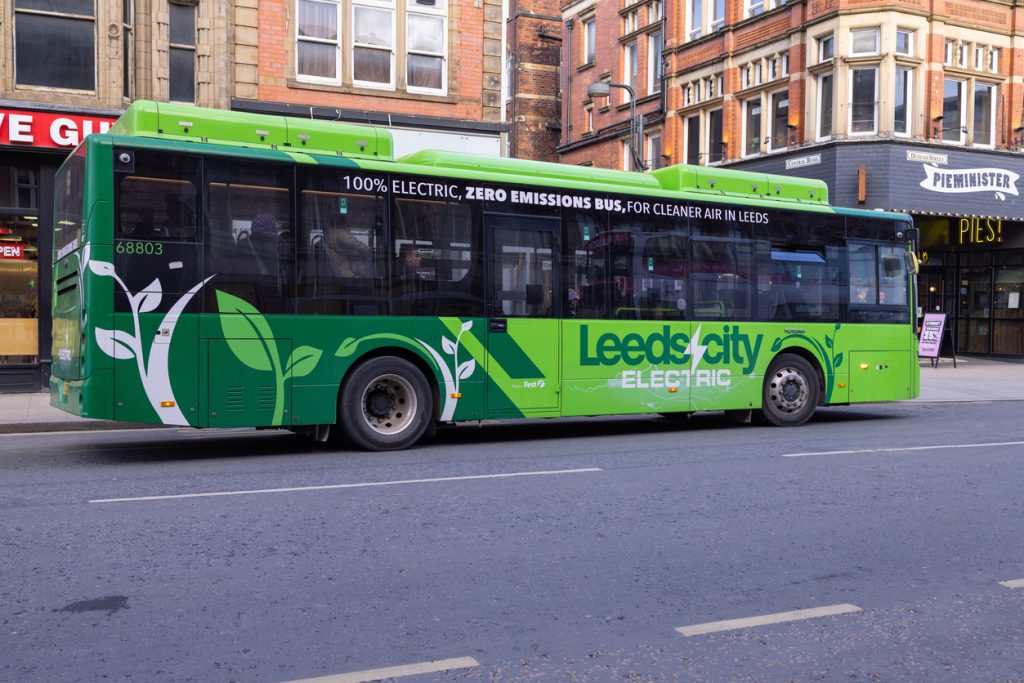
Electric buses in Nigeria are gradually becoming part of conversations around cleaner and more efficient transportation. For a country where fuel prices, vehicle maintenance and daily operating costs can significantly affect transport businesses, the appeal of electric mobility is easy to understand.
Unlike conventional buses that rely on petrol or diesel, electric buses use battery-powered electric motors. They can be particularly useful for predictable routes such as airport transfers, corporate staff transport, university shuttle services and organised city routes.
Why Electric Buses Are Getting Attention in Nigeria
Fuel is one of the biggest recurring expenses for transport operators. When fuel prices rise, the cost of running buses and moving passengers usually follows.
Electric buses offer a different operating model. Once the vehicle is charged, there is no need to purchase petrol or diesel for each trip. Electric motors also have fewer moving parts than traditional internal-combustion engines, which can reduce some maintenance requirements.
For a company running scheduled staff transport between Lekki and Victoria Island, for example, a properly planned electric bus could operate on a predictable daily cycle and return to its charging point at the end of the day.
That predictability is important when deciding whether electric transport is practical.
Where Electric Buses Could Work Best
Electric buses may be more suitable for routes where operators know the approximate distance and schedule in advance.
Potential applications include:
- Corporate staff shuttle services
- Airport transfer services
- Hotel and resort transportation
- University and school transportation
- Estate and residential shuttle routes
- Organised city transport
- Short-distance passenger movement within business districts
Long-distance interstate routes present a different challenge because charging infrastructure and access to reliable charging points become more important.
The Charging Challenge Cannot Be Ignored
One of the biggest questions surrounding electric buses in Nigeria is not simply whether the vehicles work. It is where and how they will be charged.
An operator considering an electric bus needs to look at:
- Daily route distance
- Available charging infrastructure
- Electricity reliability
- Charging time
- Battery range
- Backup power options
- Number of trips required each day
For a business transporting employees every morning and evening, charging can be planned around the vehicle’s operating schedule. For buses travelling continuously between cities, the planning becomes considerably more complex.
This is why transport coordination should come before purchasing the vehicle.
Could Electric Buses Reduce Transport Costs?
They can, but the calculation needs to go beyond the purchase price.
A business should compare the total cost of operating an electric bus with its existing petrol or diesel fleet. This includes energy, servicing, tyres, driver costs, charging infrastructure and vehicle downtime.
The higher initial cost of an electric vehicle may also need to be considered against potential savings over several years.
For Nigerian businesses, the right question is therefore not simply, “Are electric buses cheaper?” It is, “Does an electric bus make financial sense for this particular route and operating pattern?”
How Businesses Can Prepare for Electric Mobility
Businesses that regularly arrange employee transportation, airport pickups or group movement can start preparing even before fully switching to electric vehicles.
A practical first step is to map existing transport requirements: routes, passenger numbers, kilometres travelled each day, waiting times and fuel expenditure.
From there, companies can determine whether fixed-route electric transport, conventional vehicle hire or a combination of both makes more operational sense.
Travo.ng can support businesses with transport coordination, airport pickups, vehicle hire and other mobility requirements, helping organisations plan transportation around their actual schedules rather than simply choosing a vehicle first.
What the Future Could Look Like
Electric buses in Nigeria are likely to become more relevant as businesses, transport operators and government agencies look for ways to reduce fuel dependence and improve urban mobility.
However, successful adoption will depend on more than importing electric buses. Charging infrastructure, electricity supply, financing, technical expertise, route planning and after-sales support all matter.
For now, businesses considering electric mobility should start with the routes they operate most frequently and calculate the real operating requirements. That approach provides a much clearer picture of whether electric buses are a practical next step for their transportation needs.
