


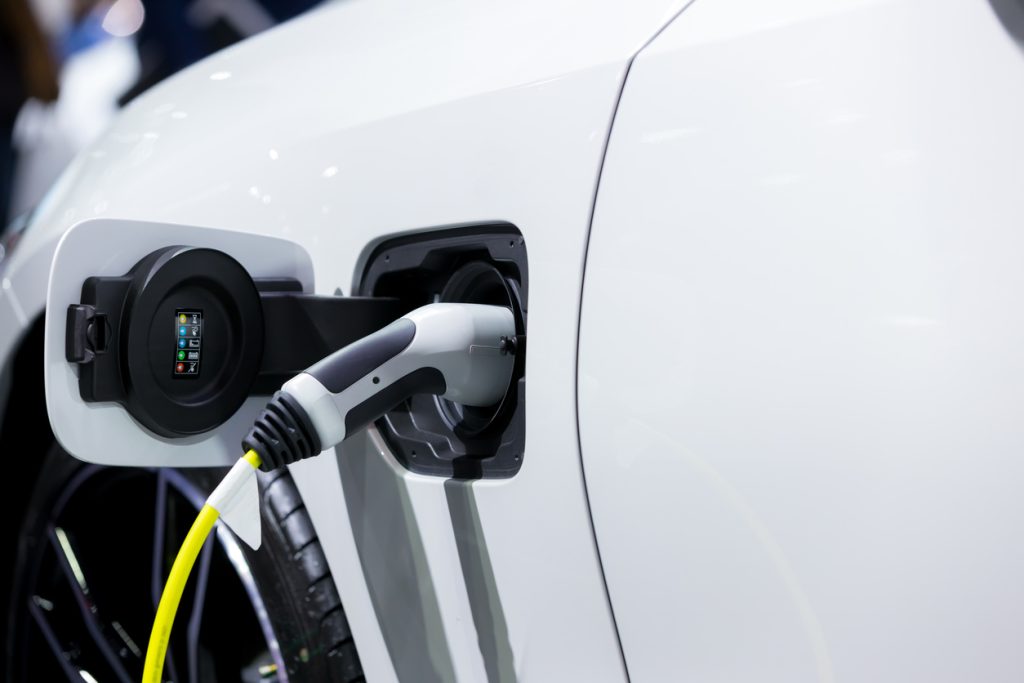
Electric vehicles are gradually changing how people think about transportation across Africa. With rising petrol costs, growing urban populations and increasing interest in cleaner mobility, investors are beginning to examine opportunities in electric vehicle infrastructure.
EV charging investment in Africa is becoming an important conversation, particularly in countries like Nigeria, Kenya, Rwanda and South Africa, where electric motorcycles, buses and passenger vehicles are entering commercial transport operations.
However, building profitable charging infrastructure requires more than installing charging equipment. Investors must understand electricity availability, vehicle demand, location selection and the everyday realities of African transport systems.
Where EV Charging Infrastructure Has the Strongest Potential
Not every African city is ready for large public charging networks. Investment opportunities depend heavily on existing electric vehicle adoption and reliable electricity access.
South Africa has an established public charging market, while Kenya has growing interest in electric motorcycles and commercial fleets.
In Nigeria, Lagos and Abuja offer potential opportunities because of their large transport markets, commercial activities and growing interest in electric mobility.
Promising charging locations include:
- Shopping malls and commercial centres with extended parking periods.
- Logistics warehouses operating electric delivery vehicles.
- Hotels and business districts serving corporate travellers.
- Bus terminals and fleet depots with predictable vehicle schedules.
- Residential estates with reliable electricity infrastructure.
For investors, locations with regular vehicle activity may provide stronger commercial opportunities than stations built simply for visibility.
What Investors Should Budget for Before Installing Chargers
Charging equipment is only one part of the investment.
A project must also account for electricity connections, transformers where necessary, installation, property agreements, maintenance and payment systems.
For example, a logistics company operating electric delivery vans in Lagos might install chargers at its warehouse rather than depend on public charging stations.
This arrangement allows vehicles to recharge overnight, reduces unnecessary journeys and makes energy expenses easier to monitor.
However, unreliable grid electricity can significantly increase operating costs if backup generation or battery storage becomes necessary.
Investors should calculate expected daily charging sessions, electricity tariffs, equipment utilisation and maintenance expenses before committing capital.
Why Commercial Transport Could Drive Charging Demand
Commercial fleets may provide more predictable charging demand than privately owned electric cars.
Delivery businesses, ride-hailing operators and corporate transport providers often operate vehicles on scheduled routes.
Consider a delivery company serving Ikeja, Yaba and Victoria Island. If its electric vehicles return to a central depot each evening, charging infrastructure can be planned around actual daily mileage.
This is where transport coordination becomes important.
Companies such as Travo.ng, which support transport arrangements, vehicle hire and logistics coordination, operate within the wider mobility ecosystem that could benefit from improved charging availability as electric fleets expand.
Better charging infrastructure could eventually support more efficient urban deliveries and commercial transport operations.
Challenges That Could Affect Returns in Nigeria
Despite growing interest, several obstacles remain.
Electricity reliability is a major concern, particularly where charging stations require substantial power.
High equipment import costs, foreign exchange fluctuations and limited EV adoption can also affect profitability.
Investors should additionally consider:
- Land rental and long-term site agreements.
- Charger compatibility with different vehicle models.
- Security and equipment protection.
- Customer payment convenience.
- Technical support and replacement parts.
A charging station with expensive equipment but insufficient daily users may struggle to recover its investment.
How to Approach EV Charging Investment in Africa
The strongest starting point is identifying real transport demand rather than assuming electric vehicle adoption will immediately translate into charging revenue.
Investors can begin with fleet partnerships, pilot charging locations or depot-based infrastructure before expanding into public networks.
For Nigerian businesses exploring cleaner mobility, dependable transport planning remains essential.
Travo.ng provides a practical connection to Nigeria’s broader transport and logistics sector through vehicle hire, delivery coordination and mobility-related services.
As electric vehicle adoption increases, charging infrastructure could become an important part of making African transportation more affordable, efficient and sustainable.
The opportunity is promising, but successful investment will depend on matching charging capacity with actual vehicle usage, reliable electricity and commercially viable locations.
