


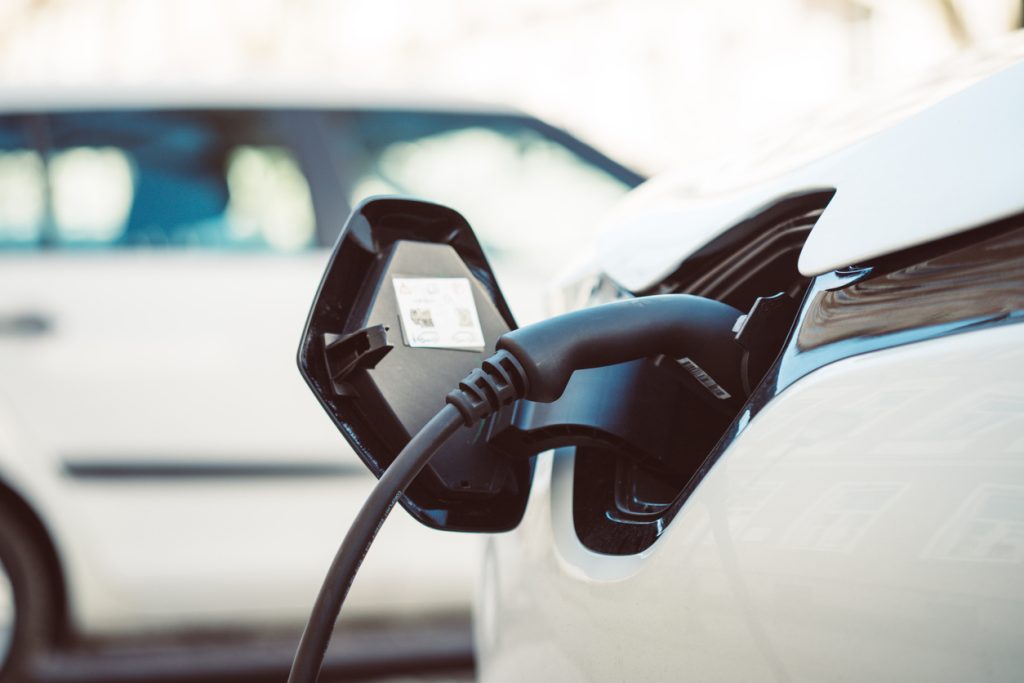
EV charging infrastructure Nigeria is becoming an important part of the country’s transport conversation as more electric cars, buses, motorcycles and commercial vehicles enter the market. But for Nigerian drivers, buying an EV is only one part of the decision. The bigger question is often simple: where will you charge it?
Unlike petrol vehicles, which can refuel at thousands of stations across the country, EV users still have to plan charging around available locations, battery range and electricity reliability. That makes charging infrastructure particularly important for anyone considering an electric vehicle for daily commuting, deliveries or commercial transport.
Nigeria’s EV network is still developing, although charging and battery-swapping facilities are already appearing in Lagos, Abuja and several other locations. Nigeria’s clean mobility strategy was also expanded in March 2026 to formally include electric vehicles and nationwide EV charging infrastructure development.
Where EV Drivers Can Currently Find Charging Points
Lagos and Abuja currently have some of the most visible charging activity.
Use operator information to identify charging options, then confirm each location’s current working status, connector and access conditions directly.
The practical challenge is that EV drivers cannot yet assume they will find a charger every few kilometres.
Before setting out, it makes sense to confirm:
- Whether the station is operational
- The charger and connector type
- Charging speed
- Opening or access hours
- Payment requirements
- Expected waiting time
This becomes even more important when travelling beyond familiar city routes.
Lagos Traffic Changes the Way EV Charging Is Planned
Driving an EV around Lagos requires more than checking the distance from Ikeja to Lekki.
Heavy traffic along corridors such as Third Mainland Bridge, Lekki-Epe Expressway and the Lagos-Ibadan Expressway can make journey times unpredictable. Drivers therefore need to consider their remaining battery range before entering long periods of congestion or travelling to areas where charging options are limited.
For a business running electric delivery vehicles, the issue becomes operational.
A vehicle may complete several deliveries around Yaba, Surulere and Ikeja comfortably, while sending the same vehicle from Lagos Island deep into the Lekki-Epe corridor may require more deliberate charging and dispatch planning.
This is where transport coordination becomes as important as the charger itself.
Interstate EV Travel Needs More Preparation
A Lagos-to-Abuja journey illustrates one of the biggest gaps in EV charging infrastructure Nigeria currently faces.
With a conventional petrol vehicle, fuel stops can be made at many points along the route. An EV driver needs suitable charging facilities at sensible intervals and must know that those chargers will actually be accessible on arrival.
Until public fast-charging coverage becomes much denser, long-distance EV journeys may require careful route planning, sufficient battery reserve and confirmed charging arrangements.
Nigeria’s Energy Transition Plan already identifies EV charging, battery swapping and electric mobility projects involving passenger vehicles, motorcycles and buses, showing that the market is moving beyond private cars alone.
Why Businesses May Drive EV Charging Growth Faster
Commercial fleets could become an important driver of charging investment.
Courier companies, corporate transport operators, ride-hailing fleets and businesses with regular delivery routes can install charging facilities at depots rather than relying completely on public stations.
For example, a delivery company operating 15 electric vans from an Ikeja warehouse can charge vehicles overnight and allocate them to predictable Lagos routes each morning.
That model is considerably easier to manage than having every driver search for public charging during working hours.
Solar-supported charging and battery storage may also help operators reduce dependence on unreliable grid supply.
Planning Transport Around Nigeria’s Changing EV Network
As electric mobility grows, Nigerian transport planning will increasingly involve questions about battery range, charging time and station availability alongside the familiar concerns about traffic, road conditions and travel time.
Travo.ng can support customers who need practical transport coordination, vehicle arrangements, airport pickups, business logistics and planned movement across Nigerian cities. For businesses gradually introducing electric vehicles into their operations, route planning and dependable transport alternatives can also help prevent charging limitations from disrupting daily schedules.
EV charging infrastructure Nigeria is still at an early stage compared with the country’s established petrol network, but investment and government attention are increasing. For drivers and businesses, the smartest approach today is not simply to buy an EV and hope charging becomes available. It is to understand the routes being travelled, know where reliable charging exists and build every important journey around realistic Nigerian conditions.
Battery swapping in Nigeria: check the network before buying
Battery swapping replaces an eligible vehicle’s depleted removable pack with a charged pack from the same approved system. It can reduce time spent waiting to charge, but it depends on compatible vehicles, available batteries and an accessible network. A battery swap station is not automatically usable by every electric scooter, motorcycle or tricycle.
Spiro’s published expansion announcement includes commercial operations in Nigeria within its African battery-swapping business. That establishes a market example, not a guarantee of a working station on your route. Confirm current Nigerian locations, eligible vehicle models, opening hours and charged-pack availability directly with the operator.
Questions for a battery swap network
- Does the vehicle and battery model belong to this network, and can other brands use it?
- Is the pack owned, rented or supplied under a subscription?
- What do swaps cost, and are there deposits, monthly minimums or replacement charges?
- What happens if a station is closed, offline or has no charged packs?
- Who manages damaged packs, battery health, warranty and end-of-life collection?
For an electric tricycle battery swap proposal, test the exact tricycle and loaded duty cycle. Do not apply motorcycle range claims to a heavier passenger or cargo tricycle. Scooter battery packs may also use different connectors, voltages and management systems. Follow manufacturer-approved charging and handling procedures.
Electric mobility infrastructure beyond the charger
EV infrastructure in Nigeria also includes vehicle access, parking, dependable power, technician support, spare parts and information drivers can trust. Clean or green mobility infrastructure should be assessed using actual electricity sources, battery life and vehicle use. Charging from solar may reduce grid or generator demand, but annual performance depends on the designed system and site conditions.
Compare renewable-powered charging with backup-power arrangements. Neither a solar label nor a charging map guarantees uninterrupted service. Plan a confirmed primary charging point and an achievable fallback before a time-critical trip.
Planning a fleet or infrastructure project
Use the small electric vehicle and battery management guide for rider operations, or the fleet charging guide for delivery vans, taxis and buses. Contact Travo with your routes, vehicles and depot locations for mobility and equipment-logistics coordination. Ask separately about the charger supplier or swap-network operator, because their availability and commercial terms require direct confirmation.
Public EV charging and fast charging: verify the exact site
Before relying on a station, confirm its address, current operation, public access, opening hours, payment method and supported connector. A map listing may represent a planned project or a private depot. Check the operator’s contact and a workable fallback for the journey.
Fast charging is a vehicle-and-site compatibility question. Ask whether the vehicle supports the proposed AC or DC arrangement and what charging performance to expect under realistic conditions. Nameplate charger power alone does not guarantee speed, particularly where power is shared or constrained.
Solar charging stations and fleet installations
For solar EV charging, give the designer vehicle count, daily energy needs and charging hours. Establish expected generation, any storage or alternative supply, and performance during low solar output. Panel capacity alone does not prove that the fleet’s duties can be supported.
Request a competent site assessment covering available power, equipment compatibility, protection, commissioning, maintenance and fault response. An installation quote should identify what is included and who is responsible for power upgrades and ongoing service.
Match infrastructure to the vehicles
The electric vehicle buying guide helps specify cars and commercial vehicles. Two- and three-wheeled vehicles may need a different approach: read the motorcycle guide, electric keke guide and battery swapping guide to check approved equipment and network compatibility.
For projects outside Nigeria, use the Africa electric mobility overview and verify each country and city separately. Send Travo your transport requirement to confirm available assistance; charging equipment supply, installation and station access each require explicit provider confirmation.
