


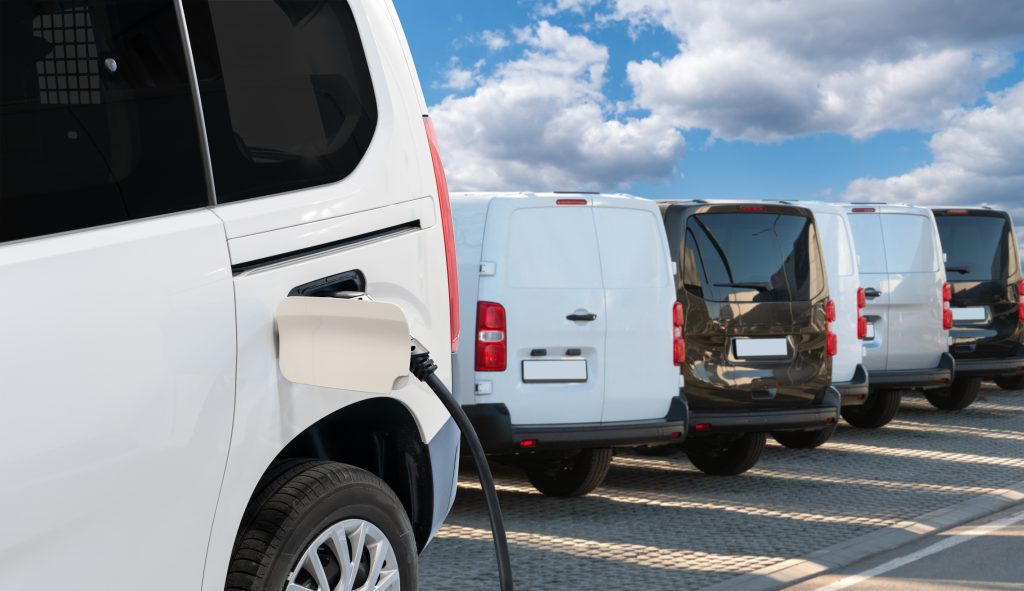
Electric mobility in Africa covers several different markets: private cars, commercial motorcycles, electric tricycles, delivery vehicles and buses. The practical opportunity depends on a particular city, route, vehicle and energy network. A continent-wide product announcement is not enough to plan a local operation.
This guide helps businesses, fleet operators and buyers researching electric vehicles Africa, EV charging stations, solar charging and clean transport. It explains how to assess providers and build an enquiry that addresses local operating conditions.
Choose the vehicle around the transport job
An electric scooter for light deliveries and an electric bus for a commuter route need different loading, energy and service arrangements. Start with passenger or cargo demand, distance, operating hours and parking. Include the busiest realistic duty and enough time for maintenance.
| Electric transport | Project questions | Supporting infrastructure |
|---|---|---|
| Cars and logistics vans | Commuting, taxi or delivery duty; load and route | Compatible charging and model-specific service |
| Motorcycles and scooters | Commercial rider needs and classification | Approved charging or compatible swap network |
| Tricycles | Passenger or cargo operation and permitted routes | Suitable energy access, parts and rider support |
| Electric buses | Passenger demand, shifts, turnaround and spare capacity | Depot power, charging, trained staff and recovery |
Provider examples: check the actual country and city
BasiGo’s official site describes electric bus operations and support in Kenya and Rwanda. Ampersand’s official site describes electric motorcycles and battery-network technology. Spiro provides another starting point for motorcycle and swapping enquiries.
These examples show different business models. They do not establish availability in every African country, compatibility between networks or a partnership with Travo. Confirm the exact vehicle, service area, contract and local support directly with the relevant provider.
For Nigeria, use our electric vehicle buying and supplier guide, electric tricycle guide and electric motorcycle guide to prepare more specific enquiries.
EV charging infrastructure Africa
For an actual journey, verify the station address, public access, connector, vehicle compatibility, operating hours, payment and current availability. Distinguish operational charging sites from proposed projects and private depots. Keep a suitable fallback when the trip depends on a single location.
For fleets, assess power capacity and charging time against all vehicles’ duties together. Charger nameplate power is not a guaranteed charging rate: the vehicle, battery condition, power supply and shared installation can constrain delivery. Ask the installer for a site-specific design and commissioning evidence.
Solar EV charging Africa
Solar charging needs an energy design, not simply panels beside a charger. Establish daily energy demand, the hours vehicles can charge, generation assumptions and any storage or other supply needed. Ask how the operation handles low solar output, peak demand and equipment faults.
A solar installation’s contribution depends on the actual system and usage. Do not label a fleet fully solar-powered without evidence of where its charging energy comes from. Our EV charging infrastructure guide offers related planning questions.
Battery swapping and network dependence
Confirm approved batteries and vehicles, station access, opening hours, charged-pack availability and ownership. A network that allows selected manufacturers to participate is not automatically open to every battery. Obtain explicit compatibility confirmation.
The contract should identify deposits, energy fees, subscriptions, damage liability and return arrangements. Read the battery swapping and battery-as-a-service guide for questions that also help compare local arrangements elsewhere in Africa.
Electric buses and public transport
Plan around route length, passenger loading, traffic, climate-control demand and turnaround time. A bus procurement should include depot works, training, maintenance, spare parts, charging and recovery rather than treating the vehicle order as the whole project.
Public or commuter transport also needs local route and operating permissions. For Nigerian planning, consult the electric bus guide. Confirm current operational coverage separately from an earlier pilot or announcement.
Finance and investment: compare the full arrangement
African EV projects may involve purchase, leasing, instalments or a usage-based service contract. These are not equivalent. BasiGo’s Pay-As-You-Drive page illustrates a provider-specific model; its terms should not be assumed to apply to another vehicle, operator or country.
Request total costs, ownership, included services, applicant requirements, termination and downtime provisions. A startup or investment plan should test customer demand, supplier capacity and operating performance on a manageable scale before expanding. Finance availability and returns need project-specific evidence.
Maintenance and cross-border sourcing
Before importing or buying, confirm the model’s local approval position, warranty, parts access, software support and repair capability. Check who provides recovery and how batteries are returned for assessment. A low purchase quote may offer poor value if support is unavailable locally.
Use the EV maintenance, parts and battery replacement guide to prepare technical-support questions. Customs, vehicle approval and commercial operation are separate enquiries; do not infer all of them from the seller’s willingness to ship.
Measure sustainable transport performance
Battery-electric vehicles avoid exhaust tailpipe emissions while operating. Wider environmental comparisons also involve vehicle manufacture, electricity sources, mileage and end-of-life handling. The IEA lifecycle calculator provides context for these factors.
Track actual energy use, availability and completed trips or deliveries. Compare realistic alternatives with equivalent duties. Terms such as green mobility and low-emission transport should be supported by the project’s evidence rather than an assumed percentage saving.
How Travo can help prepare an enquiry
Send Travo the country, city, routes, passenger or cargo needs, daily distance, fleet size and timing. The service catalogue covers transport and business logistics enquiries; confirm the team’s available assistance for your project and location.
EV sourcing, electric-only transport, technical work and financing each need specific confirmation. A practical brief helps establish what support can be arranged and what should be discussed directly with a manufacturer, energy provider or local authority.
