


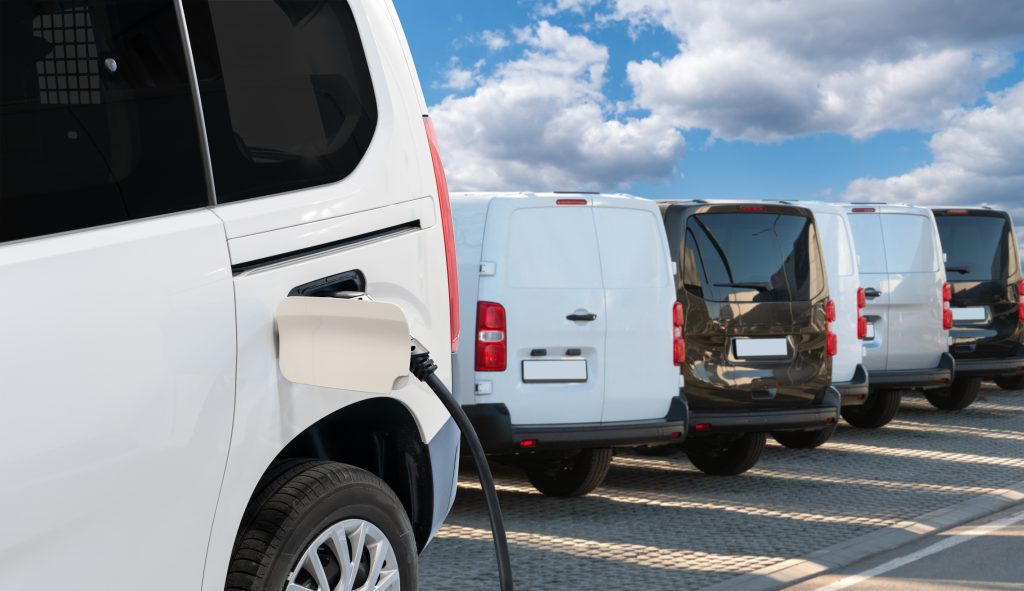
Electric vehicles are beginning to make practical sense for Nigerian businesses that run predictable daily routes. Delivery companies, corporate transport teams, field-service businesses and logistics operators can reduce dependence on petrol or diesel, but only when charging is planned around actual fleet operations.
That is where Fleet EV charging solutions become important. A company cannot simply buy several electric vehicles, install one charger and expect daily operations to continue smoothly. Charging capacity, vehicle schedules, available power, route distances and downtime all have to work together.
Travo.ng helps businesses coordinate mobility and logistics requirements around these operational realities, including fleet movement, vehicle hire, delivery planning and transport support.
Start With How Your Vehicles Actually Move
The right charging arrangement depends on what the fleet does each day.
A delivery vehicle operating mainly between Ikeja, Yaba and Lagos Island has a different energy requirement from a vehicle travelling between Lagos and Ibadan. Likewise, a corporate shuttle that returns to the same office every evening is easier to schedule for charging than a field vehicle moving unpredictably across several locations.
Before choosing chargers, businesses should review:
- Average kilometres travelled per vehicle daily
- Where vehicles park overnight
- How long each vehicle remains idle
- Available electricity at the parking location
- Number of EVs expected within the next 12–24 months
- Whether vehicles need daytime top-up charging
Planning around these details reduces the risk of paying for charging equipment that does not match the fleet.
Charging During Operational Downtime Works Better
For many Nigerian commercial fleets, overnight charging is the simplest arrangement.
If six delivery vans return to a Lagos warehouse between 6pm and 9pm and leave again around 7am, there may be enough time to recharge them without relying heavily on expensive rapid charging.
The challenge is electrical capacity.
Charging several vehicles simultaneously can place significant demand on a facility. Businesses may need load management so vehicles charge at different rates or in scheduled batches rather than drawing maximum power at once.
Where grid supply is inconsistent, fleet managers may also consider solar, battery storage or another backup power arrangement. Running EV charging primarily from a diesel generator can weaken some of the operating-cost advantages businesses are trying to achieve.
Lagos Traffic Changes EV Charging Plans
Distance alone does not determine a vehicle’s daily operating requirement.
A 60-kilometre delivery schedule through Lekki, Victoria Island and Ikeja can involve many hours on the road because of congestion, customer waiting times and repeated stops. Businesses therefore need realistic route data rather than assumptions based purely on kilometres.
A sensible Fleet EV charging plan should leave an operational buffer instead of expecting every vehicle to return with almost no remaining charge.
This is particularly important for courier and same-day delivery operations where an unexpected collection in Surulere or additional drop-off on the mainland can change the day’s route.
Travo.ng’s transport coordination and business logistics support can help companies organise vehicle movement around practical delivery schedules rather than theoretical route plans.
Avoid Installing Too Much Charging Capacity Too Early
One common mistake is planning infrastructure for a future fleet without considering present utilisation.
If a company currently operates three electric vehicles but expects to increase to 20, installing equipment for all 20 immediately may tie up unnecessary capital. On the other hand, installing infrastructure that cannot be expanded can create another expensive problem later.
A phased approach is often more practical.
Businesses can prepare electrical infrastructure for future expansion while initially installing enough charging points for current vehicles. Usage can then be monitored before the next phase.
Keep Vehicle Charging and Dispatch Planning Together
Charging should become part of fleet scheduling.
A dispatcher needs to know which vehicles are available, which are charging, their expected departure times and the journeys planned for the next shift. Sending a partially charged vehicle on an unplanned interstate assignment can quickly disrupt operations.
Businesses moving goods between Lagos, Ogun State, Ibadan, Abuja or other locations should also identify reliable charging opportunities before expanding EVs onto longer routes.
Travo.ng can support the wider transport operation through delivery services, cargo logistics, vehicle coordination and business logistics support, allowing companies to combine EV fleet planning with their everyday movement requirements.
Build Fleet EV Charging Around Real Operations
Successful electrification is not simply about installing chargers. The vehicles, routes, power supply, parking periods and dispatch schedule must work as one system.
The best Fleet EV charging solutions are therefore designed around how a Nigerian business genuinely operates each day.
For companies gradually introducing electric vehicles into delivery, corporate transport or logistics fleets, Travo.ng provides practical transport and mobility support that can help keep vehicles moving while charging infrastructure and fleet requirements evolve.
Charging plans for delivery fleets, taxi fleets and electric buses
EV charging for delivery fleets in Nigeria should follow collection deadlines, loaded routes and return times. Vans that return to a warehouse every night can often use scheduled depot charging. Vehicles on multiple shifts may need planned top-ups or spare capacity. Track real energy use and late returns before deciding the charger mix.
EV charging for taxi fleets in Nigeria has a different problem: drivers may be away from the depot and earning time is lost while travelling to chargers or queuing. Agree charging windows, driver access and a fallback for low-charge vehicles. The taxi fleet guide explores those operating constraints.
For EV charging for electric buses in Nigeria, start with timetable commitments, vehicle model, depot layout and turnaround times. Bus parking space, connector reach and electrical demand need dedicated assessment. Test the most demanding duty cycle, not only a short demonstration route. Read the bus depot charging guide before specifying equipment.
A simple fleet energy planning example
Suppose route records indicate that each of ten vans needs 30 kWh replenished daily. That is 300 kWh delivered to vehicles. Across a ten-hour overnight window, the arithmetic average is 30 kW delivered to vehicles; the electrical design must additionally allow for losses, other site loads, staggered arrivals and available charging limits. These illustrative numbers are not a charger recommendation or a site-capacity approval.
Have the engineer and fleet team test the busiest day, not only the average day. Charging power may reduce as batteries fill, and vehicles can accept less power than a charger’s advertised maximum. Use the installation planning checklist to turn route data into a site assessment.
Fleet readiness checklist
Use this checklist before requesting a fleet quote. It stays on this page and does not submit an enquiry.
Compare charging management software for per-vehicle records and departure priorities. For motorcycles and tricycles, use a separate battery and small-vehicle operating plan.
Coordinate the transition through Travo
Send Travo your fleet and route brief for transport planning, equipment movement and business logistics coordination. Its service offering includes wider delivery and logistics support. Confirm specific vehicle availability, charging-provider scope and contingency arrangements before committing to a rollout or promising delivery times to customers.
