


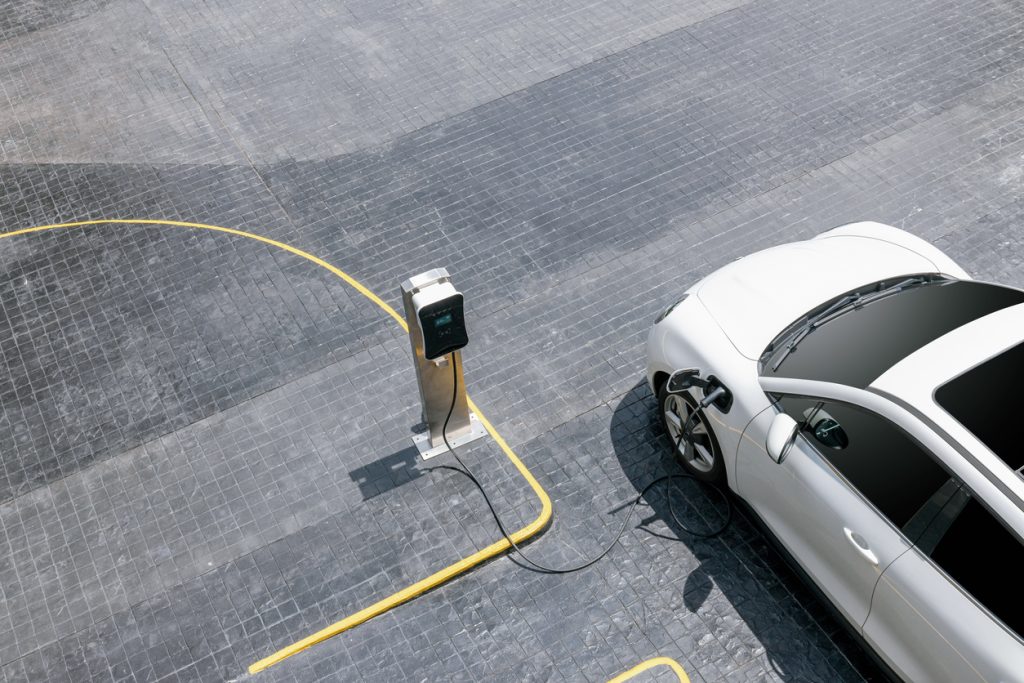
Bus depot EV charging is becoming an important part of fleet planning as transport operators begin considering electric buses for scheduled routes, staff transport, private fleets and urban mobility services. Unlike charging one electric car at home, a bus depot may need to recharge several large vehicles within a limited overnight or turnaround window.
That changes the operational challenge completely.
A depot operator has to think about electricity supply, charger capacity, parking arrangement, bus schedules, backup power and the amount of time each vehicle can remain connected. For Nigerian operators, unreliable grid supply and the cost of upgrading electrical infrastructure also have to be considered early.
Travo.ng can support businesses planning electric fleet operations through transport coordination, vehicle movement and practical logistics support around depot and fleet activities.
Start With the Number of Buses That Must Be Ready Each Morning
The first question should not simply be how many chargers the depot needs.
Operators should calculate how many buses return each evening, how much battery capacity they normally use during the day and when each vehicle must leave again.
For example, a Lagos depot operating 20 electric buses may not need 20 chargers if vehicles return at different times and charging can be scheduled intelligently. However, installing too few chargers can create another problem: buses waiting for charging points when they should be preparing for the next route.
A useful charging assessment normally considers:
- Number of electric buses in the fleet
- Battery size of each vehicle
- Daily kilometres travelled
- Expected battery percentage on return
- Available charging hours
- Charger output
- Electricity available at the depot
- Future fleet expansion
These figures determine whether overnight charging, opportunity charging or a combination of both makes operational sense.
Power Supply Can Become the Biggest Depot Challenge
Large electric buses require considerably more energy than ordinary passenger EVs.
If several high-capacity chargers operate simultaneously, the depot’s electricity demand can rise sharply. A site that previously powered lighting, offices and maintenance equipment may require a significant electrical upgrade before electric buses can be charged reliably.
In Lagos, Abuja or Port Harcourt, operators should also assess grid availability rather than designing the entire system around theoretical electricity supply.
Depending on the location, a depot may need transformers, energy storage, solar integration or another backup arrangement.
The objective is not simply to install powerful chargers. It is to provide enough dependable energy to ensure buses are ready when scheduled.
Charger Speed Should Match the Actual Bus Schedule
The fastest charger is not automatically the best option.
If buses remain parked from 9 p.m. until 5 a.m., slower overnight charging may provide enough energy while reducing peak electricity demand. A vehicle returning briefly between routes may require faster charging.
Consider a bus requiring approximately 200 kWh before its next shift. With sufficient charging time, the depot may not need an extremely high-powered charger dedicated to that vehicle.
Good bus depot EV charging design therefore starts with the transport timetable and works backwards to the required charging capacity.
Depot Layout Can Affect Daily Operations
Charging infrastructure must fit into the way buses already move around the depot.
Poor charger placement can create unnecessary reversing, blocked parking spaces or conflicts between charging buses and vehicles entering maintenance areas.
Operators should map:
- Bus entry and exit points
- Overnight parking positions
- Charging bays
- Maintenance areas
- Driver walkways
- Emergency access
- Cable positions
- Vehicle circulation routes
This becomes particularly important in busy urban depots where space is already limited.
Travo.ng’s transport coordination and business logistics support can also help organisations manage vehicle movement while charging infrastructure, fleet schedules or depot operations are being reorganised.
Plan for Charging Failures Before They Disrupt Routes
A depot should not depend on every charger operating perfectly every night.
If one unit fails and several buses cannot charge, morning departures may be affected. Operators therefore need spare charging capacity, maintenance arrangements and a clear system for identifying charging problems before drivers arrive.
Charging software can help fleet managers monitor vehicle battery levels, charger status and scheduled departure times.
For larger fleets, smart charging can also distribute electricity across vehicles instead of allowing every bus to draw maximum power simultaneously.
Future Fleet Growth Should Be Included From the Beginning
A company starting with five electric buses may eventually operate 20 or 50.
Installing infrastructure without considering expansion can make future upgrades more expensive. Cable routes, transformer capacity, parking arrangements and charger locations should therefore allow additional vehicles to be added later.
This is particularly relevant for school transport operators, corporate shuttle providers, intercity companies and public transport fleets exploring gradual electrification.
Making Electric Bus Operations Practical
Successful bus depot EV charging is ultimately about keeping vehicles available for service.
The charging equipment, electricity supply and transport timetable must work together. A technically impressive charging installation offers little value if buses regularly miss departures because charging was poorly scheduled.
For Nigerian fleet operators, practical planning should combine reliable power, suitable charging speeds, organised depot movement and realistic operating schedules.
Travo.ng can support the wider transport operation with vehicle coordination, business logistics support and mobility services, helping organisations manage the movement side of fleet electrification while building a more dependable electric transport system.
