


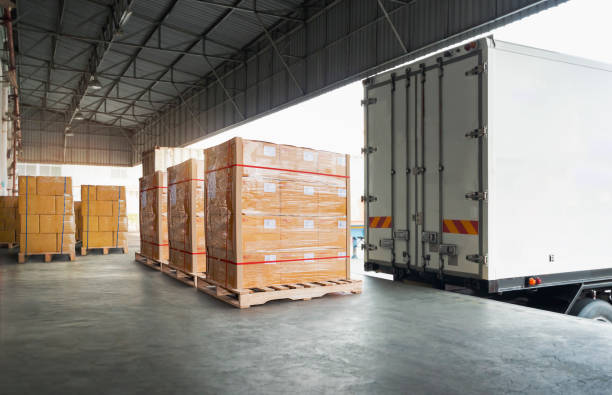
Ecommerce fulfillment in China allows online businesses to store products close to their suppliers and have orders prepared and shipped to customers internationally. Instead of handling every package yourself, a China-based fulfillment center can manage inventory receiving, storage, picking, packing, labelling, and shipping.
This can be useful for Shopify stores, Amazon sellers, dropshipping businesses, wholesalers, and other online retailers sourcing products from China.
How Ecommerce Fulfillment in China Works
The process usually follows these steps:
- Source your products: Purchase inventory from Chinese manufacturers, Alibaba suppliers, 1688 sellers, or other suppliers.
- Send products to the fulfillment center: Your suppliers deliver the inventory to a designated warehouse in China.
- Receive and inspect the goods: The warehouse records your products, checks quantities, and can perform agreed basic quality or packaging checks.
- Store your inventory: Products are organized by SKU and stored until customer orders are ready to be processed.
- Connect your online store: Depending on the fulfillment setup, your Shopify, WooCommerce, Amazon, or other ecommerce orders can be transferred to the fulfillment operation.
- Pick and pack orders: When customers place orders, the warehouse selects the correct products, packages them, applies shipping labels, and prepares them for dispatch.
- Ship to customers: Orders are sent internationally using an appropriate shipping method based on destination, product type, delivery speed, and cost.
Why Use Ecommerce Fulfillment in China?
A China fulfillment center can put your inventory closer to your suppliers and simplify the supply chain. If you purchase from several factories, the different shipments can be received at one location instead of being managed separately.
Fulfillment services can also include repacking, bundling, custom packaging, product labelling, and inventory management. This allows an online seller to focus more on marketing and customer service while the warehouse handles routine logistics.
Fulfillment for Multiple Chinese Suppliers
If your products come from several suppliers, you can have the different orders delivered to the same fulfillment center. The warehouse can identify each shipment, organize the inventory by SKU, and consolidate suitable cargo where required.
This is particularly useful when you are testing products from different suppliers or building a larger inventory for an online store.
Air Freight or Sea Freight?
Air freight is useful for smaller shipments, urgent stock replenishment, and orders where faster delivery is important.
Sea freight is generally more suitable for larger inventory shipments because it can provide better economics for heavier or bulkier cargo. LCL can be used for smaller consolidated loads, while FCL may be appropriate for larger volumes.
For individual customer orders, express or other international parcel services may be more practical than sending every order by traditional sea freight.
What Affects Fulfillment Costs?
Your overall cost can depend on:
- Storage space
- Number of SKUs
- Receiving fees
- Picking and packing
- Packaging materials
- Product weight and dimensions
- Order volume
- International shipping
- Repacking or kitting
- Returns and special handling
Look at the complete fulfillment cost rather than only the warehouse storage rate.
How Travo.ng Can Help
Travo.ng can help coordinate ecommerce fulfillment requirements in China, including supplier receiving, warehouse organization, cargo consolidation, repacking, freight planning, and international delivery arrangements.
If you source from several Chinese suppliers, Travo.ng can help coordinate the movement of your inventory into one organized logistics process before it is shipped to customers or another fulfillment location.
Whether you run a Shopify store, sell through marketplaces, or operate a wholesale ecommerce business, a well-planned China fulfillment process can help simplify inventory management and international shipping.
