

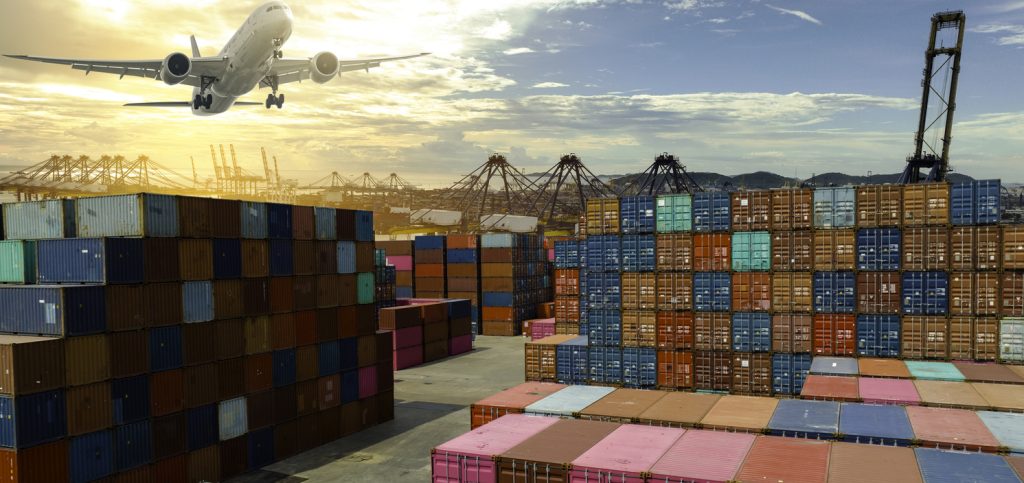
Moving commercial goods across Nigeria involves more than hiring a truck. Businesses must consider cargo documentation, customs requirements, transport arrangements, delivery schedules and the possibility of delays at checkpoints or border crossings.
For companies moving imported goods, industrial equipment, wholesale products or manufacturing materials, corporate land freight clearing services in Nigeria help coordinate the paperwork and transportation needed to move cargo legally and efficiently.
Whether your business operates in Lagos, Abuja, Kano or Port Harcourt, understanding the clearing process can prevent unnecessary expenses and delivery disruptions.
What Corporate Land Freight Clearing Actually Covers
Land freight clearing involves preparing and processing the documents required to move commercial cargo, particularly goods entering Nigeria through land borders.
Depending on the shipment, the process may involve customs declarations, duty payments, cargo inspections and coordination with licensed clearing agents.
Businesses commonly require support with:
- Customs documentation for imported commercial goods
- Coordination with licensed customs clearing agents
- Cargo inspection and shipment verification
- Truck arrangements for onward transportation
- Interstate freight delivery and distribution
- Shipment tracking and delivery coordination
An important distinction is that domestic interstate cargo does not normally require customs clearance. However, businesses still need appropriate goods documentation, especially when transporting regulated products.
Moving Commercial Cargo Through Lagos and Other Trade Routes
Lagos remains a major distribution centre for commercial freight in Nigeria.
Companies importing goods through the Seme border corridor may need customs clearance before arranging onward delivery to warehouses in Lagos, Ogun State or other destinations.
For example, a company receiving industrial materials through Seme might require clearance coordination followed by truck transportation to a factory in Ibadan.
The clearing process and transportation arrangements should be planned together.
A truck arriving before customs release can accumulate waiting charges. Similarly, cargo released without confirmed transportation may create storage expenses.
Businesses moving goods through northern border corridors, including routes connected to Kano and Katsina, must also consider applicable border restrictions, road conditions and customs procedures.
How Much Does Corporate Freight Clearing Cost in Nigeria?
There is no single fixed clearing price for every commercial shipment.
Costs depend on the cargo classification, declared customs value, applicable duties, inspection requirements and handling arrangements.
For budgeting, businesses should separate the following expenses:
| Expense | What It Covers |
|---|---|
| Customs duties and taxes | Government charges where applicable |
| Clearing agent fees | Professional documentation and processing |
| Inspection and handling | Applicable examination and cargo handling charges |
| Truck transportation | Movement from the release point to the destination |
| Storage or waiting | Additional charges caused by delays |
Request an itemised quotation before approving a shipment. This makes it easier to identify unexpected charges.
Documents Businesses Should Prepare Before Cargo Arrives
Incomplete documentation is a common reason commercial shipments experience delays.
Depending on the goods and import route, businesses may need commercial invoices, packing lists, transport documents, customs declarations and applicable regulatory permits.
For imports, confirm the relevant Nigeria Customs Service requirements and any product-specific approvals before dispatch.
A clearing agent should also verify the correct tariff classification and explain the expected duties.
Coordinating Freight Transport After Customs Release
Customs clearance is only one stage of commercial cargo movement.
Once goods are released, companies still need suitable vehicles, loading arrangements and dependable delivery coordination.
A business transporting machinery from Lagos to Abuja, for instance, should confirm the equipment’s dimensions, weight and unloading requirements before selecting a truck.
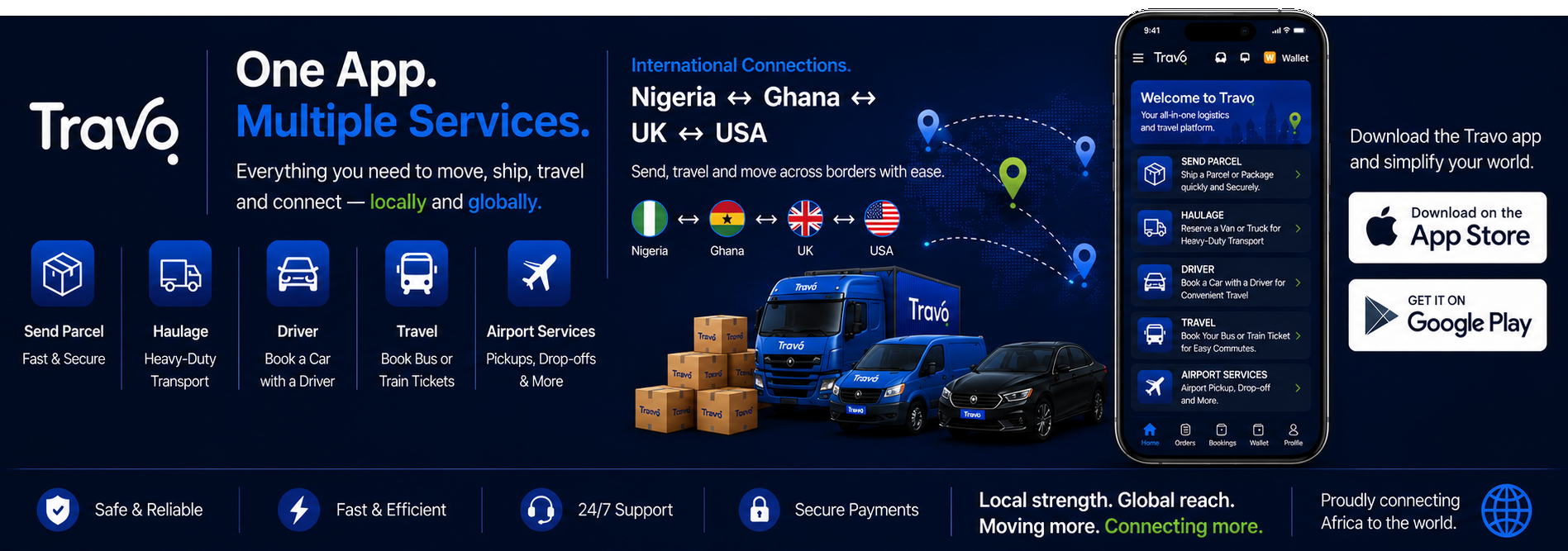
This is where Travo.ng’s cargo logistics, transport coordination and business delivery services can support the movement of goods to their intended destinations.
Businesses should confirm service availability and whether licensed customs clearing partners are required for their shipment.
Arrange Corporate Cargo Transportation With Travo.ng
Successful freight movement depends on proper documentation, realistic delivery planning and clear communication between clearing agents, transport providers and receiving businesses.
Companies looking for corporate land freight clearing services in Nigeria should first establish their customs requirements, then arrange transportation that matches their cargo.
Contact Travo.ng to discuss commercial cargo transportation, interstate freight delivery and business logistics coordination. Share your pickup location, destination, cargo type and expected delivery schedule to begin planning a suitable arrangement.
