


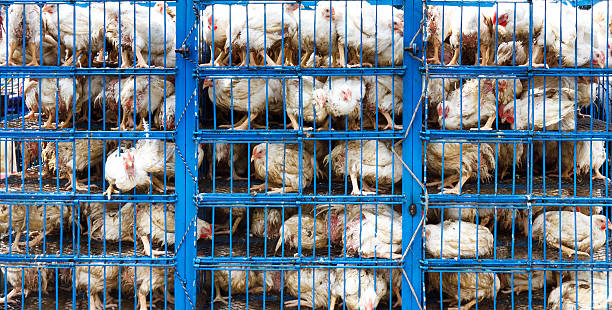
Livestock freight in Nigeria involves organising the transportation of live animals between farms, ranches, livestock markets, breeding facilities, processing locations and private destinations. Unlike ordinary freight, livestock transportation requires suitable vehicles, careful loading, ventilation and attention to animal welfare throughout the journey.
Farmers, livestock traders, breeders and agribusinesses may need livestock freight services when animals have to be moved between states or over long distances.
How Livestock Freight Works in Nigeria
A livestock freight arrangement starts with identifying the type and number of animals being moved. The pickup and delivery locations, travel date and expected journey duration are also important.
The transporter can then determine the appropriate vehicle and loading arrangement. Cattle, goats, sheep and other animals may have different transportation requirements, so the freight plan should reflect the type and size of the livestock.
Cattle Freight Across Nigeria
Cattle are transported by road for livestock trading, breeding, farm relocation and other commercial purposes. Movements may involve routes connecting northern livestock-producing areas with markets and farms in southern and central Nigeria.
Before departure, the number of cattle and their approximate sizes should be confirmed so that the vehicle can be prepared appropriately. Overloading can create unnecessary stress and transportation problems.
Goat and Sheep Freight
Goats and sheep are also regularly transported between farms, markets and customers. Their smaller size makes it possible to move larger numbers in suitable vehicles, but proper ventilation and loading conditions remain important.
For commercial movements, the sender should provide accurate information about the animals and confirm any documentation required for the journey.
Interstate Livestock Freight Requirements
Moving livestock across state boundaries requires attention to veterinary procedures. Nigeria’s Agricultural Quarantine Service states that trade animals should be accompanied by veterinary movement and loading permits at interstate veterinary control posts.
Livestock owners and traders should therefore confirm the applicable requirements before the animals are loaded. Missing documentation can create delays during transportation.
Long-Distance Livestock Freight
Long-distance livestock freight requires additional route planning. Traffic, road conditions, weather and unexpected delays can extend the journey, so the transportation plan should account for the animals’ needs throughout the trip.
The vehicle should provide appropriate conditions for the animals and allow them to be handled safely. Long journeys should not be planned in the same way as ordinary container or parcel freight.
Preparing Livestock for Freight
Before arranging livestock freight, provide details such as:
- Type of livestock
- Number of animals
- Approximate size or weight
- Pickup location
- Delivery location
- Preferred travel date
- Health condition
- Veterinary documentation
- Special handling requirements
- Contact details for the sender and receiver
Accurate information helps the transporter plan the appropriate vehicle, route and loading arrangements.
Livestock Freight for Farmers and Traders
Farmers may require freight services when moving animals from one farm to another, while livestock traders may need transportation after purchasing animals from a distant market.
Breeders can also use livestock transportation when moving animals between breeding facilities. In each case, the distance, animal type and number of animals will influence the logistics requirements.
Common Livestock Freight Problems
Poor route planning, unsuitable vehicles, overcrowding, incomplete documentation and unexpected road delays can make livestock transportation difficult.
Another common issue is providing incorrect information about the number or size of animals. This can result in a vehicle being unsuitable for the consignment.
Confirming the freight requirements before the collection date helps reduce avoidable problems.
How Travo.ng Can Help With Livestock Freight Nigeria
Travo.ng can help coordinate logistics requirements for livestock movements by considering the type and quantity of animals, pickup location, destination and preferred travel schedule.
For interstate livestock freight, early coordination can also help ensure that the sender has considered the relevant transportation and veterinary requirements before the journey begins.
Planning Livestock Freight in Nigeria
Livestock freight should be organised before the animals are loaded. Confirm the vehicle requirements, route, collection and delivery points, documentation and handling arrangements in advance.
For interstate movements, check the applicable veterinary requirements before departure. Good preparation helps make livestock transportation more organised and reduces the likelihood of avoidable delays.
