


Updated 28 September 2026 · Travo.ng
Quick answer
Refrigerated trucks (reefers) keep perishable goods at a set temperature from pickup to delivery: chilled food at 4°C or below, frozen food at -18°C or below, and most medicines and vaccines between 2°C and 8°C. In Nigeria you can request a refrigerated van or truck through Travo’s haulage request, subject to availability; prices are quoted per job because they depend on distance, truck size, temperature setting and the current diesel price, which passed ₦2,000 a litre in Abuja in September 2026.
Nigeria’s heat is hard on anything perishable. Fish, poultry, dairy, fresh produce, ice cream, drugs and lab samples can spoil in hours in an ordinary truck. A cold chain is the unbroken run of temperature control from the cold room to the customer, and the refrigerated truck is the link most likely to fail. This guide explains how reefer transport works, what it costs you to get wrong, and how to book it properly.
What a refrigerated truck does
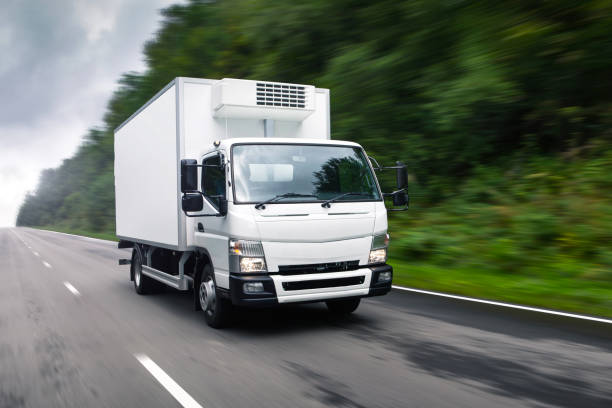
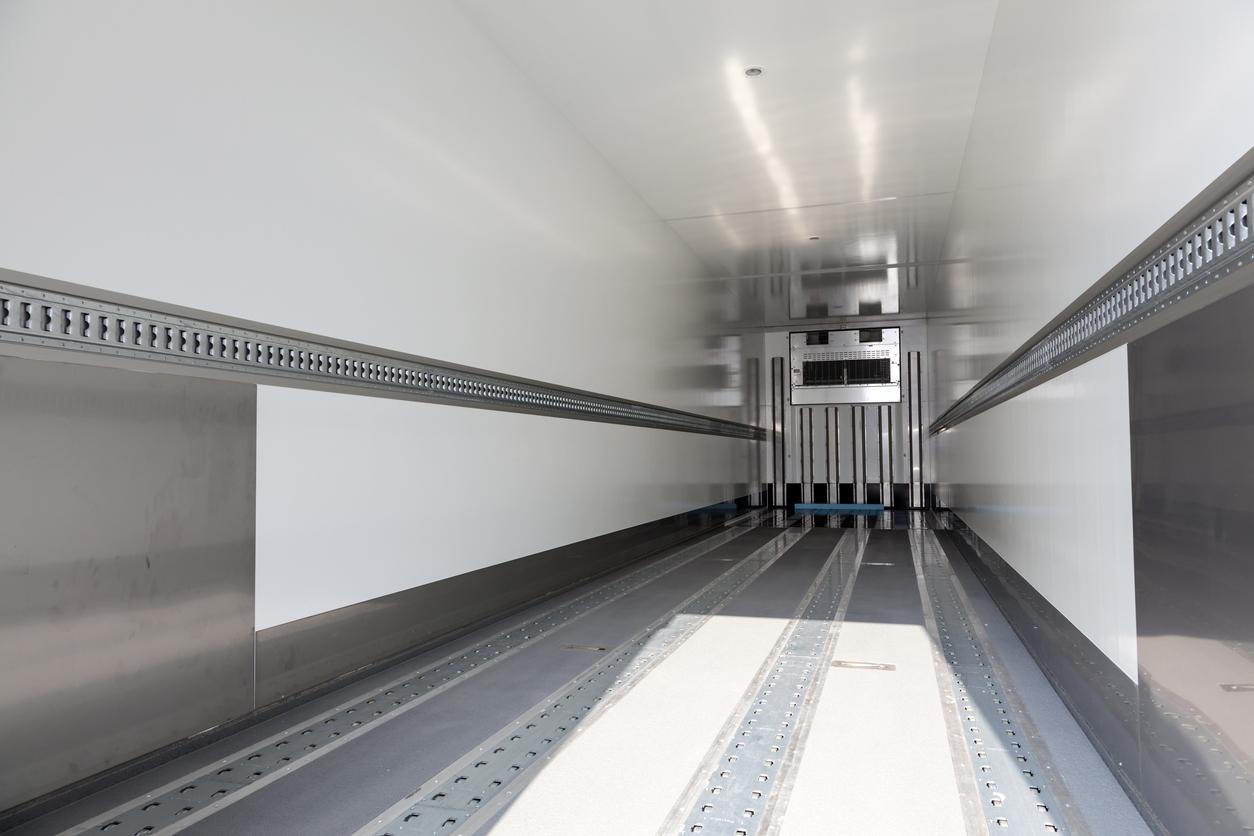
A refrigerated truck has an insulated box and its own cooling unit, usually powered by a small diesel engine or by the truck’s engine. The unit holds the cargo at a set temperature, and better units log the temperature throughout the trip. Reefers range from small insulated vans for city deliveries to 20ft and 40ft refrigerated trailers for interstate and port cargo.
Temperature ranges by cargo
| Cargo type | Typical target temperature | Examples |
|---|---|---|
| Chilled food | 4°C (40°F) or below | Fresh meat, poultry, dairy, fresh juice |
| Frozen food | -18°C (0°F) or below | Frozen fish, chicken, ice cream |
| Pharmaceuticals (refrigerated) | 2°C to 8°C | Most vaccines, insulin, many biologics |
| Frozen vaccines | Around -20°C | Some varicella and zoster vaccines |
| Ultra-cold | Around -70°C | Some COVID-19 and Ebola vaccines (needs specialist freezers, not a standard reefer) |
Sources: FoodSafety.gov cold food storage chart; Wikipedia, Cold chain (pharmaceutical ranges). Always follow the product manufacturer’s label and any NAFDAC requirements for your product.
Fresh fruit and vegetables vary widely, and colder is not always better for them, so tell the transporter exactly what you are moving and the range your buyer requires.
Who needs refrigerated transport in Nigeria
- Frozen food and fish distributors supplying cold rooms and supermarkets.
- Poultry and meat processors moving dressed birds and cuts to retailers.
- Dairy, drinks and ice cream brands distributing to shops and events.
- Pharmacies, hospitals and distributors moving vaccines, insulin and lab samples.
- Farmers and aggregators sending tomatoes, peppers and leafy vegetables to city markets.
- Restaurants, caterers and event planners moving large orders.
- Exporters taking perishable cargo to the ports or airports.
How booking a refrigerated truck works
- Describe the cargo: product, weight or pallet count, packaging, and the exact temperature range required.
- Give pickup and delivery details: addresses, loading dock or street access, and the delivery window.
- Get a quote: for a refrigerated van or truck matched to the load. Ask whether the unit logs temperature.
- Pre-cool the truck: the box should be at the target temperature before loading. Loading warm goods into a reefer does not cool them quickly; reefers hold temperature, they are not blast chillers.
- Load fast and seal: keep doors open as briefly as possible and leave space for air to circulate.
- Track and receive: check the temperature reading at delivery and record it on the waybill before signing.
Information to have ready when you request a quote
- Product type, number of cartons or pallets, and total weight.
- The temperature range, in writing, and whether you need a printed temperature log.
- Pickup and delivery addresses, with loading bay or street access notes.
- Preferred pickup time and the latest acceptable delivery time.
- Whether there are several drop-offs on the way.
- The value of the goods, so insurance can be arranged if needed.
What affects the price
- Distance and route: interstate trips cost more and may need an overnight stop with the unit running.
- Truck size: a small van for a Lagos delivery is far cheaper than a 40ft reefer trailer.
- Temperature setting: frozen loads need more cooling, and therefore more fuel, than chilled loads.
- Diesel: both the truck and the cooling unit burn it. Dangote’s diesel gantry price was cut to ₦1,600 a litre on 26 May 2026 but stood at ₦1,850 by early September, when Abuja pumps charged ₦2,000 to ₦2,020, so quotes can change from month to month. See our diesel price tracker.
- Waiting time: delays at the loading point or market keep the unit running and the truck off other jobs.
- Return load: one-way trips to places with little return cargo usually cost more.
Cold chain mistakes to avoid
- Using an ordinary truck with ice blocks for long trips. It may work for an hour across town; it rarely works interstate.
- Not agreeing the temperature in writing, so there is no one responsible when goods spoil.
- Overpacking the box so cold air cannot circulate.
- Leaving goods on a hot loading bay while paperwork is sorted.
- Mixing products that need different temperatures in one compartment.
- Skipping goods-in-transit insurance for high-value medicines or frozen stock.
Refrigerated vans versus trucks
| Option | Best for | Watch out for |
|---|---|---|
| Refrigerated van | Same-day city deliveries, pharmacies, restaurants, small retailers | Limited space; many stops mean more door openings |
| Rigid reefer truck | Regional distribution, supermarket restocking, interstate runs | Access to narrow streets and markets |
| Reefer container or trailer | Port cargo, exports, large frozen loads | Power supply while waiting at terminals; port delays |
How Travo helps
Travo is a booking and logistics platform. Through the haulage service you can request a refrigerated van or truck, tell us the temperature and delivery window, and get a quote before you commit. For produce from farms, see agricultural transport; for storage and order handling, see warehouse fulfilment. If your goods are going abroad, start with international shipping.
Book a refrigerated truck or van
Tell us the cargo, the temperature and the route. We will send a quote before you pay.
Book on TravoWhatsApp usFrequently asked questions
How much does a refrigerated truck cost to hire in Nigeria?
There is no fixed public rate. Prices depend on distance, truck size, the temperature needed, waiting time and the diesel price on the day. Ask for a written quote that states the temperature range and the vehicle type.
What temperature should frozen food be transported at?
At -18°C (0°F) or below, which is the standard freezer temperature in food-safety guidance. Chilled food should stay at 4°C or below.
Can I move vaccines or insulin in a refrigerated truck?
Yes, if the unit holds 2°C to 8°C reliably and logs temperature. Follow the manufacturer’s storage label and any regulatory rules for your product, and use validated cool boxes for small quantities.
Can a refrigerated truck cool down warm goods?
Not effectively. Reefers are designed to hold a temperature. Pre-chill or freeze goods in a cold room before loading.
Do you move perishables between states?
You can request interstate refrigerated haulage through Travo, subject to vehicle availability. Give the route and delivery window so we can check for a suitable vehicle and quote.
What should I check when the truck arrives?
That the box is already at the target temperature, the seals are intact, and the unit is running. At delivery, record the temperature reading on the waybill before signing.
Related guides
- Book a van or truck anywhere in Nigeria
- How to start a haulage business in Nigeria
- Abuja to Lagos delivery services
- List of logistics companies in Nigeria
Sources: FoodSafety.gov cold food storage chart; Wikipedia, Cold chain; PM News, 5 September 2026 and Vanguard, 26 May 2026 (diesel prices). Fares and prices change often — confirm before you travel or pay.
Refrigerated fleet management Nigeria: plan beyond one trip
A refrigerated fleet serving repeat customers needs a capacity plan, maintenance schedule, monitoring process and clear responsibility at every handoff. Track both vehicle availability and refrigeration readiness. A truck that can move but cannot maintain the agreed conditions is not ready for a temperature-controlled assignment.
For owned, leased or contracted vehicles, define accepted cargo, usable capacity, loading arrangements, required records and emergency contacts. Ask what backup arrangements are actually available rather than assuming another reefer can always arrive immediately.
| Fleet control | Operational question |
|---|---|
| Assignment | Does the vehicle match the product, quantity, packaging and route? |
| Readiness | Are service status, cleanliness, door seals, monitoring and required pre-cooling checked? |
| Dispatch | Are collection windows, product conditions and receiving instructions agreed? |
| Transit | Who reviews delays and temperature alerts and coordinates a response? |
| Delivery | Are condition, batch identity, handoff time and acceptance recorded? |
Build a cold-chain distribution network around handoffs
Map the farm or factory, aggregation point, cold store, transfer hub, retailer and receiving team. Record the volume and product requirements for each lane. Choose compatible loads and confirm receiving capacity before dispatch; a delivery queue can become a temperature-control problem.
For multi-drop distribution, agree the stop sequence, loading layout and arrangements for repeated door opening. Allow for the actual Lagos or interstate journey, access restrictions and the possibility of refused deliveries. Define where returned stock will go and who can authorise its disposition.
Use tracking and analytics to improve repeat runs
Review delivery time, excursion duration, missing records, alarm response and repeated breakdowns by vehicle or route. Compare like products and conditions. Averages should not hide a significant incident, and a GPS route trace should not be mistaken for product-temperature evidence.
Read our expanded cold-chain monitoring and management software guide. The software contract should explain data ownership, exportable records, connectivity gaps and who responds to alerts.
Separate commercial planning from technical readiness
A dedicated fleet can support regular demand, but the cost includes servicing, refrigeration repairs, driver availability, downtime, power or fuel and monitoring. Test recurring volumes before committing to capacity. See our cold storage business planning guide and refrigeration equipment and maintenance guide.
For cross-border temperature-controlled transport in Africa, verify the actual corridor, clearances, transfer points and destination provider. Our Africa cold-chain guide explains country-specific scope checks. Nigerian service coverage does not establish every international refrigerated route.
Travo’s agricultural transport page describes recurring food distribution enquiries and temperature logging. Send a recurring-route brief with products, volumes, pickup and delivery windows, frequency and required conditions so the team can confirm suitable options.
