


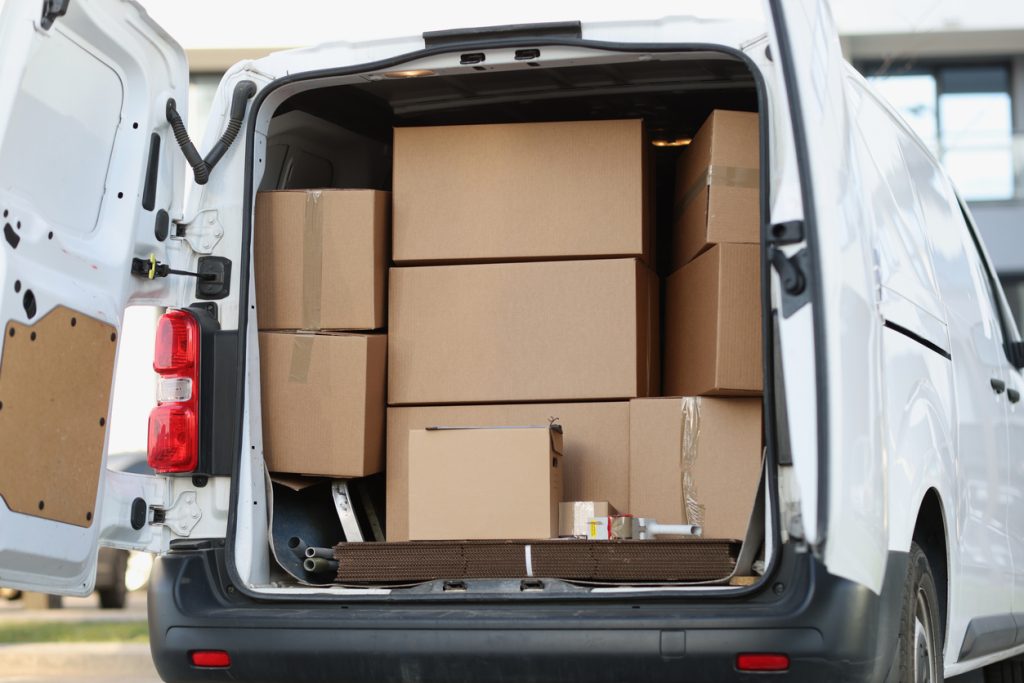
Freight forwarding services in Nigeria refer to the coordination and management of cargo movement from one location to another—often across international borders—on behalf of importers and exporters. A freight forwarder does not usually move goods directly; instead, they organize shipping, documentation, customs clearance, and inland logistics to ensure cargo moves smoothly from origin to final destination.
In Nigeria’s trade environment, freight forwarding is not just a support service. It is the backbone of import and export operations because without proper coordination, goods can be delayed at ports, incur demurrage charges, or fail to reach their destination on time.
Why Freight Forwarding Is Critical in Nigeria
Nigeria’s import-heavy economy and busy port system make freight forwarding essential.
It helps businesses manage:
- Complex customs clearance processes at Apapa, Tin Can, Onne, and Port Harcourt ports
- International shipping coordination from China, UAE, Europe, and the US
- Documentation requirements from multiple regulatory agencies
- High risk of delays, storage fees, and port congestion
- Inland transportation from ports to warehouses across states
Without structured freight forwarding, logistics costs can escalate quickly.
What Freight Forwarders Actually Do
1. Shipment Coordination
Freight forwarders arrange how goods move internationally:
- Booking cargo space on ships or aircraft
- Choosing between sea freight and air freight
- Coordinating with shipping lines and airlines
- Managing cargo schedules and transit timelines
2. Documentation Management
One of the most important roles:
- Bill of lading preparation
- Commercial invoices and packing lists
- Import/export permits
- Customs documentation and declarations
- Regulatory approvals (SON, NAFDAC where required)
3. Customs Clearance Support
Freight forwarders work closely with clearing agents to:
- Process import duties and taxes
- Ensure compliance with Nigerian Customs regulations
- Avoid delays and penalties
- Facilitate cargo release from ports
4. Inland Transportation Coordination
After clearance, they manage movement within Nigeria:
- Trucking from ports to warehouses
- Interstate cargo distribution
- Delivery to retail or industrial locations
- Warehousing and storage coordination
Types of Freight Forwarding Services in Nigeria
1. Air Freight Forwarding
Used for:
- High-value goods
- Urgent shipments
- Small-volume cargo
It is faster but more expensive.
2. Sea Freight Forwarding
Most common for Nigerian importers:
- Containerized cargo (FCL and LCL)
- Bulk shipments
- Lower cost per unit
- Longer transit time
3. Road Freight Coordination
Used for:
- Inland cargo movement
- Cross-border trade within West Africa
- Distribution from ports to cities like Lagos, Abuja, and Kano
4. Door-to-Door Freight Services
End-to-end logistics covering:
- Pickup from supplier location
- International shipping
- Customs clearance
- Final delivery in Nigeria
Common Challenges in Freight Forwarding in Nigeria
Despite its importance, the sector faces real operational challenges:
- Port congestion and delays at Lagos ports
- High demurrage and storage charges
- Foreign exchange fluctuations affecting shipping costs
- Complex and changing import regulations
- Infrastructure limitations in inland transport
- Documentation errors causing clearance delays
These issues can significantly impact business profitability if not properly managed.
How Freight Forwarding Impacts Import Business Success
Efficient freight forwarding directly affects:
- Delivery speed of imported goods
- Total landed cost of products
- Cash flow cycle of importers
- Product availability in the market
- Customer satisfaction and business reputation
In many cases, logistics efficiency matters more than product sourcing itself.
Role of Freight Forwarding in Export Operations
For exporters, freight forwarders handle:
- Cargo booking for international shipment
- Export documentation and compliance
- Packaging and container loading coordination
- Coordination with shipping lines
- Delivery to destination countries
This ensures Nigerian products reach global markets without delays.
How Technology Is Changing Freight Forwarding
Modern freight forwarding is becoming more digital:
- Real-time shipment tracking systems
- Automated customs documentation platforms
- Digital freight booking tools
- Predictive logistics scheduling
- Integrated supply chain dashboards
These tools improve transparency and reduce delays.
How Travo.ng Supports Freight and Logistics Execution in Nigeria
Within Nigeria’s logistics ecosystem, Travo.ng supports the execution layer of freight forwarding by helping businesses move cargo efficiently after arrival and across distribution networks.
Travo.ng assists with:
- Cargo movement from ports to warehouses
- Inland transportation and delivery coordination
- Fleet deployment for importers and exporters
- Interstate logistics execution
- Business logistics coordination services
- Distribution support for commercial goods
This helps reduce delays, improve delivery timelines, and support smoother trade operations.
The Future of Freight Forwarding in Nigeria
The industry is evolving toward:
- Fully digitized customs and freight systems
- Greater integration with global shipping networks
- Faster clearance and reduced port delays
- Expansion of regional trade under AfCFTA
- Increased demand for end-to-end logistics providers
As trade volume grows, freight forwarding will become even more central to Nigeria’s economic performance.
