


Updated 28 September 2026 · Travo.ng
Quick answer
In Nigeria a “private plate” usually means a personalised (fancy or customised) number plate. You get it through your state’s motor licensing authority or board of internal revenue, with the plates produced under the Federal Road Safety Corps (FRSC) system. The official Joint Tax Board fee for a fancy vehicle plate is ₦400,000 (effective 8 June 2025), against ₦30,000 for a standard private plate. Travo does not issue or sell number plates; we explain the official process here and help with the vehicle services around it.
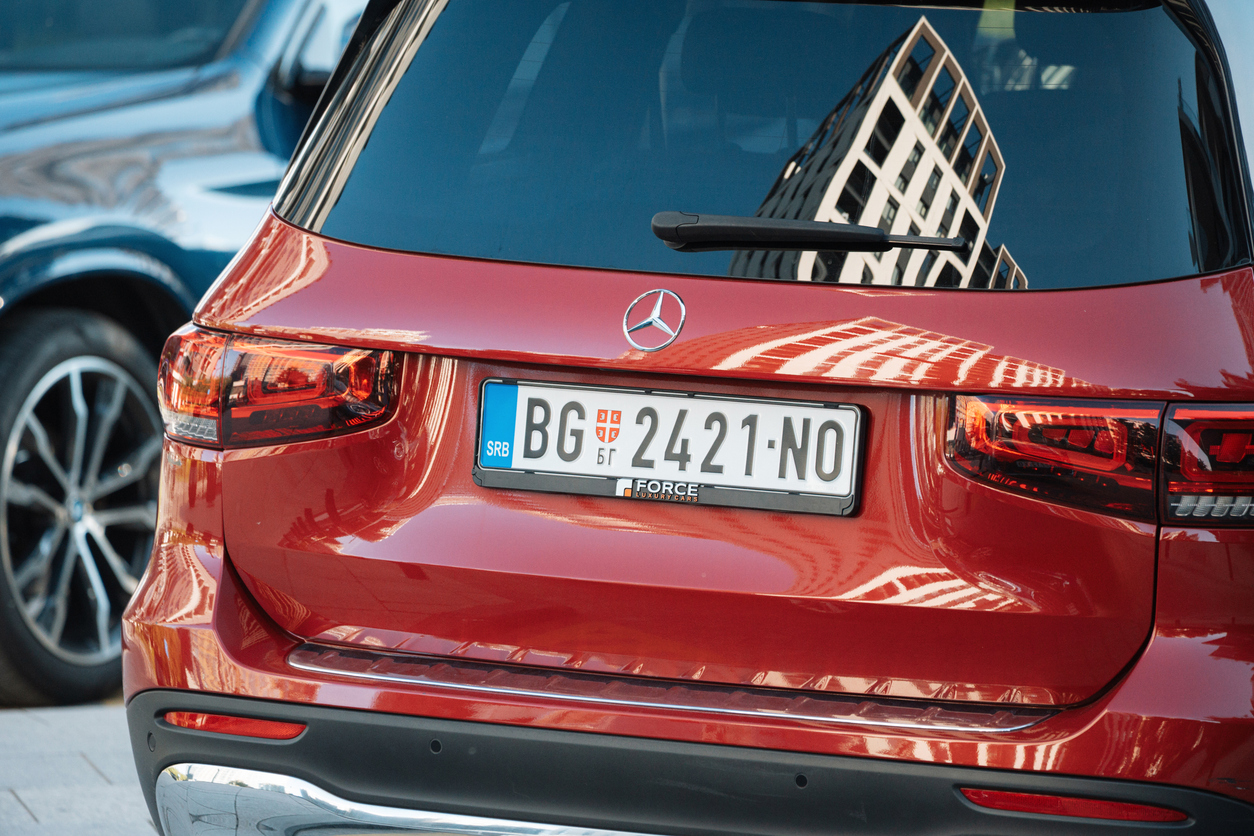
A personalised plate lets you show a name, a business or a lucky combination instead of the standard state series. It is legal in Nigeria as long as you get it through the official channel and it is registered to your vehicle. This guide covers the fees, the steps, the documents and the scams to avoid.
What are private plates?
Nigerians use several terms for the same thing:
- Personalised, customised or fancy plate: you choose the characters, within the rules, subject to availability and approval.
- Out-of-series plate: a standard-format number that is not the next one in the series.
- Standard private plate: the normal blue-lettered plate issued in sequence when you register a private car.
Every plate, fancy or standard, must be linked to a registered vehicle and its owner. A plate bought “off the street” without that link is not valid.
Standard versus personalised plate at a glance
| Standard private plate | Personalised (fancy) plate | |
|---|---|---|
| Characters | Next number in the state series | Your chosen characters, if approved and available |
| Official fee (JTB, from 8 June 2025) | ₦30,000 | ₦400,000 |
| Where to apply | State motor licensing office at registration | State licensing office or board of internal revenue, following the FRSC process |
| Extra paperwork | Standard registration documents | Application letter stating the characters you want, plus standard documents |
| Resale | Stays with the car | May need changing when you sell |
Official number plate fees
| Plate type | Fee (JTB, effective 8 June 2025) |
|---|---|
| Standard private vehicle | ₦30,000 |
| Standard commercial vehicle | ₦30,000 |
| Out-of-series vehicle | ₦150,000 |
| Fancy (personalised) vehicle | ₦400,000 |
| Fancy motorcycle | ₦50,000 |
| Dealer vehicle | ₦100,000 |
| Standard motorcycle | ₦12,000 |
Source: Joint Tax Board schedule with the FRSC, as reported by PensionNigeria (23 May 2025); the same fancy-plate figure of ₦400,000 appeared in the Guardian’s report of the November 2024 review. Some online guides still quote ₦100,000 to ₦200,000 for customised plates; check the current fee with your state licensing office before paying. State charges for registration, vehicle licence and other papers are extra.
Step-by-step: how to get a personalised plate
- Choose two or three options. Your first choice may already be taken or may not be approved. Avoid offensive words or anything that looks like a government or official plate.
- Start the application. Guides published in 2026 describe starting on the FRSC portal, downloading the forms and completing them accurately. Your state motor licensing office can confirm the current route.
- Prepare documents. Typically an application letter stating your preferred characters, proof of vehicle ownership, national ID, a valid driver’s licence, tax identification number, insurance papers, and customs papers for an imported vehicle.
- Submit to your state authority. Take the forms to the state board of internal revenue or motor licensing authority for vetting and stamping.
- Pay the official fee through the government channel you are given, and keep the receipt.
- Collect the plates and papers. Check that the characters, the vehicle details and your name are correct on every document.
- Fit the plates properly front and rear, and keep the papers in the car.
Tips for choosing a plate
- Keep it short and easy to read; confusing letter and number mixes cause problems at checkpoints.
- Think about resale. A very personal plate may need changing when you sell the car.
- For a business vehicle, a plate matching your brand can double as advertising, but it is still tied to one vehicle.
- Have backup choices ready so a rejection does not start the process over.
Avoid private plate scams
- Do not pay anyone who promises a plate “without papers” or “without the owner’s details”. It is not legal.
- Pay official fees only through government channels and insist on an official receipt.
- Be wary of agents who ask for the full fee upfront into a personal account.
- After collection, check the plate against your vehicle records. See our guide on how to verify vehicle documents in Nigeria.
Maintenance and security
- Use tamper-resistant screws so plates are harder to steal.
- Keep plates clean and readable. Damaged or faded plates should be replaced through the licensing office; see number plate replacement in Nigeria.
- Report stolen plates to the police and your licensing office quickly, and keep copies of the report.
- Renew your vehicle licence and insurance on time; a fancy plate does not replace them.
How Travo can help around your vehicle
Travo is a logistics and booking platform, not a plate issuer or a government agent. Where we can help is with the moving parts around your car:
- Hire a driver on demand while you run licensing errands.
- Move a newly bought vehicle between states with our car delivery service.
- Get a car recovered if it breaks down on the way to the licensing office, through towing and breakdown response.
- Put an idle car to work through vehicle investment.
Need a driver for your licensing errands?
Book a professional driver by the hour or day, or ask us on WhatsApp what we can arrange.
Frequently asked questions
How much is a personalised plate number in Nigeria?
The Joint Tax Board fee for a fancy vehicle plate is ₦400,000, effective 8 June 2025. Out-of-series plates are ₦150,000 and standard private plates ₦30,000. State registration and licence charges are extra.
Can I buy a private plate through Travo?
No. Plate sales and issuance are not among Travo’s services. Apply through your state motor licensing authority and the FRSC process. Travo can help with drivers, vehicle delivery and breakdown recovery.
What documents do I need for a customised plate?
Usually an application letter, proof of ownership, national ID, driver’s licence, tax ID, insurance papers and, for imported vehicles, customs papers. Your state office may ask for more.
Can I transfer my fancy plate to a new car?
Ask your state licensing office. Plates are registered to a specific vehicle, so any transfer must go through the official records.
Is it legal to drive with a personalised plate in Nigeria?
Yes, if it was issued through the official process and matches your vehicle papers. Plates bought without registration are not valid.
How do I spot a fake plate?
Check that the plate number matches the vehicle licence, proof of ownership and insurance, and confirm with the licensing office or FRSC if anything looks wrong.
Related guides
- Number plate replacement in Nigeria
- How to verify vehicle documents
- List of cars accepted by Uber Nigeria
- Join a Bolt fleet in Nigeria
Sources: PensionNigeria, 23 May 2025 (JTB fees effective 8 June 2025); The Guardian Nigeria, 11 October 2024; Nigerian Queries, August 2026 (application steps). Fares and prices change often — confirm before you travel or pay.
