


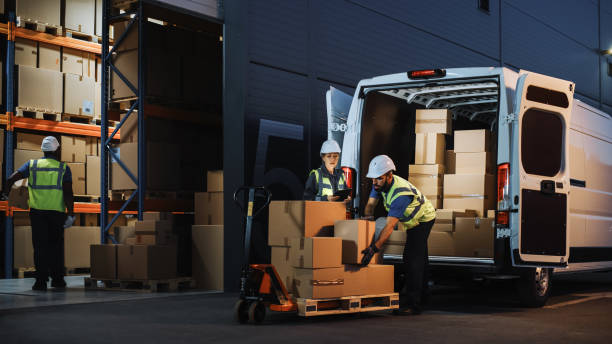
China wholesale suppliers are a major sourcing option for Nigerian businesses looking to buy products in bulk for resale, distribution or commercial use. Chinese suppliers cover almost every major product category, from electronics and fashion to machinery, furniture, packaging materials and spare parts.
For Nigerian importers, finding a supplier is only the first step. The real challenge is confirming that the supplier is legitimate, the products match the agreed specifications and the total landed cost still makes sense after shipping and import expenses.
Where to Find China Wholesale Suppliers
Several online platforms can help businesses discover Chinese wholesalers and manufacturers.
Alibaba.com is designed around international B2B sourcing and is commonly used by overseas buyers looking for export-oriented suppliers.
1688 is primarily a domestic Chinese wholesale marketplace. It can provide access to a broad range of Chinese suppliers, but its Chinese-language and domestic-market setup can make sourcing more complicated for buyers outside China. (Axoha)
Made-in-China.com can be useful when searching for manufacturers, machinery, industrial equipment and other B2B products.
Global Sources is another supplier-discovery channel, particularly relevant to professional buyers and businesses sourcing electronics and other manufactured products. (Prima Exim)
Using more than one platform can help a buyer compare supplier quotations rather than relying on the first price found online.
How to Choose a China Wholesale Supplier
Do not select a supplier based only on the lowest price.
Before placing an order, check:
- Company and supplier information
- Product specifications
- Minimum order quantity
- Production capacity
- Wholesale price
- Packaging requirements
- Payment terms
- Production timeline
- Export experience
- Return or replacement arrangements
It is also important to determine whether you are dealing directly with a manufacturer or with a trading company. A trading company may still be legitimate and useful, but understanding who is actually supplying the goods helps when negotiating price and quality requirements.
Ask for Samples Before Buying in Bulk
If you are introducing a new product to the Nigerian market, ordering a sample can be useful before committing substantial money to wholesale stock.
Check the sample for:
- Material quality
- Size and dimensions
- Colour
- Functionality
- Packaging
- Branding
- Finishing
- Product consistency
A product photograph on a supplier’s page is not enough to establish what the finished bulk order will look like.
For larger orders, an independent inspection before shipment can provide another layer of quality control. Supplier platforms can help with discovery, but they do not eliminate the need for the buyer to evaluate the actual supplier and order. (Axoha)
Alibaba vs 1688 for Nigerian Importers
The two platforms serve different sourcing environments.
Alibaba is built for international B2B buyers and is generally easier for overseas businesses that need English communication and export-oriented suppliers.
1688 focuses on China’s domestic wholesale market and can expose buyers to suppliers and products that are not always presented through international sourcing channels. However, overseas buyers may need additional support with communication, domestic purchasing and logistics. (Sure Imports)
For a Nigerian beginner, understanding these differences is important before choosing where to source.
Calculate Your Complete Import Cost
The supplier’s quoted price is not your final cost in Nigeria.
Before ordering, calculate:
- Product cost
- Supplier or sourcing fees
- Domestic transportation in China
- Inspection charges
- Consolidation charges
- Sea or air freight
- Insurance where applicable
- Customs duties and taxes
- Clearing charges
- Port or airport handling
- Transportation within Nigeria
- Final delivery
A product that looks highly profitable at the supplier’s price may have a much smaller margin after all these costs are included.
Choosing Sea or Air Freight
Sea freight is generally suitable for larger wholesale orders where delivery speed is less important. It can be useful when importing bulky goods or substantial quantities.
Air freight is more appropriate for smaller or urgent shipments where faster delivery justifies the additional cost.
Some Nigerian businesses use both methods, sending urgent stock by air while moving larger regular orders by sea.
Common Problems With China Wholesale Suppliers
Nigerian importers can run into problems when they:
- Pay without properly checking the supplier
- Choose solely on price
- Skip product samples
- Do not confirm the exact specifications
- Ignore minimum order quantities
- Underestimate freight costs
- Fail to inspect large orders
- Do not calculate the full landed cost
- Leave shipping arrangements until after production
A supplier profile or marketplace badge should be treated as one part of the screening process rather than a guarantee that every order will meet your expectations. (Axoha)
How Travo.ng Can Help With China Wholesale Imports
Travo.ng can help businesses coordinate the logistics involved in moving wholesale goods from China to Nigeria, including cargo transportation and onward delivery arrangements.
For example, after purchasing goods from several Chinese suppliers, an importer may need the products consolidated, shipped to Nigeria and then transported from the Nigerian port or airport to a warehouse, shop or distribution centre.
Coordinating international freight with domestic delivery can help the importer plan the complete movement instead of treating shipping and final delivery as separate problems.
Planning Your China Wholesale Purchase
Before paying a Chinese supplier, confirm the product specifications, quantity, supplier details, price, payment terms and expected production timeline.
Then calculate the landed cost and decide whether air or sea freight fits the order.
For Nigerian businesses, successful wholesale sourcing is not simply about finding cheap products. It involves finding suitable suppliers, checking product quality, controlling logistics costs and ensuring the goods can reach the Nigerian market at a commercially viable total cost.
