


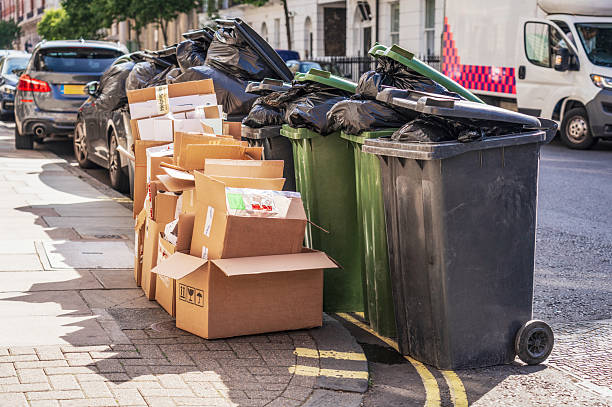
Organic waste recycling in Lagos is becoming more important as homes, restaurants, markets, hotels, offices, and food businesses look for better ways to handle everyday waste.
Food scraps, fruit peels, spoiled vegetables, garden waste, and other biodegradable materials often end up mixed with plastics and general rubbish. Once everything is combined, collection becomes harder, smells develop quickly, and recyclable material may become contaminated.
A more organised approach starts with separating organic waste before collection and arranging dependable movement to an appropriate recycling, composting, or processing facility.
Travo.ng can support businesses and households that need practical waste collection and transport coordination across Lagos.
What Counts as Organic Waste in Lagos?
Organic waste generally includes biodegradable material that can break down naturally.
Common examples include:
- Leftover food from restaurants and homes
- Fruit and vegetable waste
- Spoiled produce from markets
- Coffee grounds and tea waste
- Garden leaves and grass cuttings
- Food preparation waste from hotels
- Organic manufacturing by-products
- Unsold or damaged fresh food
The volume can become significant very quickly. A busy restaurant in Lekki, for example, may generate bags of vegetable trimmings, leftover meals, and spoiled ingredients every day.
Markets and food distributors can produce much larger quantities.
Separating Waste Before Collection Makes the Biggest Difference
One of the most common problems with organic waste recycling in Lagos is poor separation.
If food waste is mixed with bottles, nylon, cartons, metal cans, and general rubbish, sorting becomes more expensive and sometimes impractical.
Businesses should ideally keep clearly marked containers for different waste streams.
For example, a restaurant can maintain separate bins for:
- Food and biodegradable waste
- Plastics and packaging
- Glass
- General non-recyclable waste
Staff training matters too. A good waste management plan can fail simply because kitchen or cleaning staff put everything into the nearest bin.
Lagos Traffic Can Affect Organic Waste Collection
Organic waste cannot always sit around for several days.
Heat accelerates decomposition, particularly in enclosed waste areas. Restaurants, hotels, bakeries, supermarkets, and fresh food businesses therefore need collection schedules that match how quickly their bins fill.
A business operating around Victoria Island or Lekki may prefer daily or alternate-day pickups, while a smaller office in Ikeja may require collection less frequently.
Traffic also needs to be considered.
Collections scheduled during severe peak-hour congestion can delay vehicles considerably. Proper route planning around areas such as Lekki-Epe Expressway, Third Mainland Bridge, Apapa, and mainland commercial districts helps reduce unnecessary waiting time.
Travo.ng can coordinate suitable transport and collection arrangements based on location, volume, and operational requirements.
Food Businesses Need More Than Occasional Waste Pickup
Restaurants and food businesses usually need predictable service rather than calling for collection only after their waste area is full.
Consider a catering company preparing several hundred meals for an event. Within one day, it may generate substantial vegetable waste, food scraps, cartons, and packaging.
A practical collection plan should consider:
- Expected daily waste volume
- Suitable container sizes
- Collection frequency
- Loading access
- Pickup timing
- Destination or processing facility
- Separate handling of recyclable materials
Planning these details prevents overflowing bins and reduces disruption around kitchens and loading areas.
What Happens After Organic Waste Is Collected?
Depending on the waste type and available processing arrangements, biodegradable material can be directed toward composting, agricultural reuse, specialised recycling, or other waste recovery processes.
Not every material follows the same route.
This is why businesses should understand what they are disposing of rather than treating all organic material as identical.
Large commercial generators may also need records showing when waste was collected and where it was taken, particularly when managing multiple branches or maintaining internal environmental standards.
Arrange Organic Waste Recycling in Lagos With Travo.ng
Reliable organic waste management starts with consistent collection and proper transport coordination.
Travo.ng can help households, restaurants, hotels, offices, retailers, and other businesses organise waste pickup and related logistics across Lagos.
Whether you need recurring collections from a restaurant in Lekki, waste transport from a food business in Ikeja, or coordinated pickups from several company locations, the arrangement can be planned around your actual waste volume and operating schedule.
Instead of waiting until organic waste becomes an urgent sanitation problem, schedule collection early and keep recyclable material properly separated.
With organised organic waste recycling in Lagos, businesses can maintain cleaner premises, reduce unnecessary waste buildup, and manage everyday operations more efficiently.
