


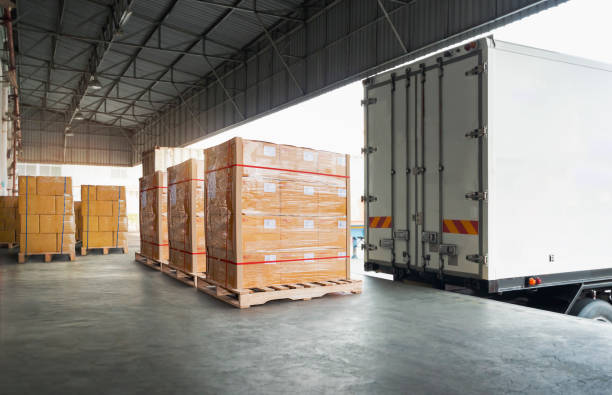
A China warehouse can make importing goods to Nigeria much easier, especially when you buy from several suppliers on Alibaba, 1688, Taobao or directly from Chinese manufacturers. Instead of sending every order separately to Nigeria, suppliers can deliver the goods to one warehouse in China for receiving, checking, storage and consolidation.
For Nigerian importers, this creates a more organised way to prepare cargo before it leaves China.
How a China Warehouse Works
The process usually follows these steps:
- Receive a China warehouse address: Your logistics provider gives you the correct warehouse details and a customer or shipment reference.
- Send supplier orders there: Your Chinese suppliers deliver your packages to the warehouse instead of shipping them internationally.
- Receive and identify the goods: The warehouse records each package against your details and checks the number of cartons received.
- Inspect and store: Depending on the service, packages can be photographed, weighed, measured and stored while you wait for other orders.
- Consolidate the cargo: Goods from multiple suppliers can be combined into one shipment where appropriate.
- Ship to Nigeria: The consolidated cargo can then move by air freight or sea freight, depending on its size, value and urgency.
Why Nigerian Importers Use China Warehouses
A warehouse is particularly useful when you are buying from multiple suppliers. Rather than paying for separate international shipments, your orders can be collected at one location and prepared together.
It also gives you an opportunity to identify missing cartons, damaged packaging or incorrect quantities before the goods leave China. For regular importers, having an organised receiving point can make stock planning and shipment tracking easier.
Air Freight or Sea Freight?
Air freight is suitable for smaller shipments, urgent stock and products where faster delivery is important. Sea freight is generally more appropriate for larger or heavier commercial cargo where lower freight costs are more important than speed.
Your choice should consider weight, volume, product type, destination and the total landed cost in Nigeria rather than looking at freight price alone.
What to Confirm Before Using a Warehouse
Before sending your suppliers the warehouse details, confirm:
- Current warehouse address
- Customer or shipment reference
- Package labelling requirements
- Receiving and storage charges
- Inspection and repacking options
- Maximum storage period
- Consolidation rules
- Air and sea freight options
- Nigerian customs and delivery arrangements
Always confirm the warehouse details before dispatching goods, particularly if you have used the service before.
How Travo.ng Can Help
Travo.ng can help coordinate China-to-Nigeria shipping arrangements, including warehouse coordination, cargo consolidation and freight planning where applicable. This is useful for Nigerian retailers, wholesalers, e-commerce sellers and businesses importing from several Chinese suppliers.
With the right warehouse arrangement, your goods can be received and organised in China before being consolidated and shipped to Nigeria, making the overall import process easier to manage as your business grows.
