


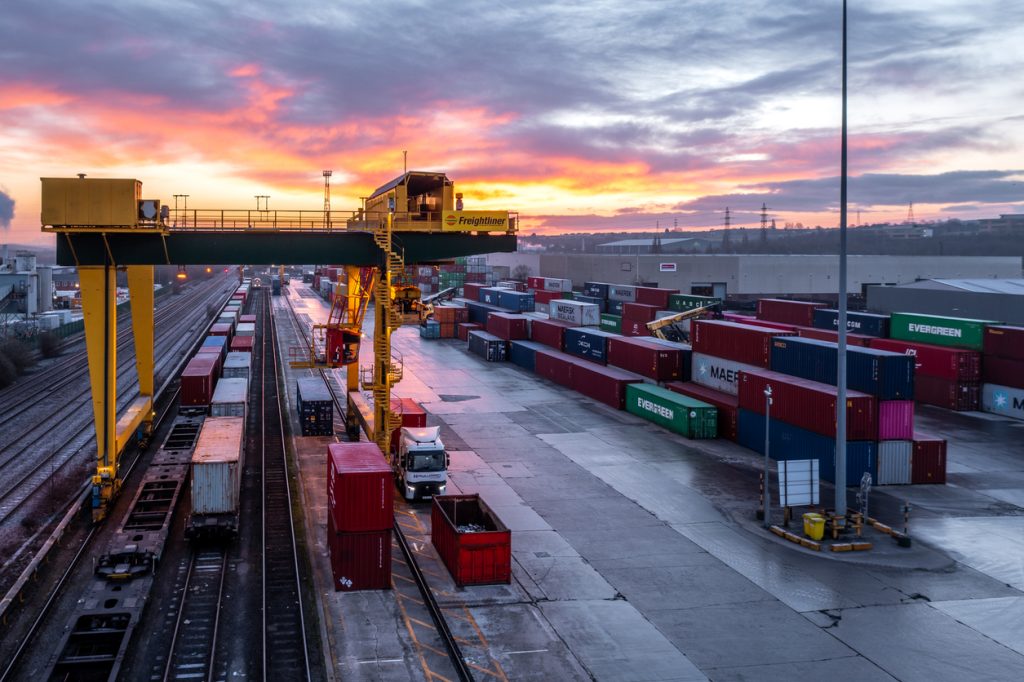
If you buy products from several suppliers in China, having your goods received and repacked at a warehouse before international shipping can make the entire process easier to manage. Instead of shipping every supplier’s package separately, you can send the orders to one China warehouse for receiving, checking, repacking, and consolidation.
This is useful for buyers sourcing from Alibaba, 1688, Taobao, Yiwu markets, and Chinese manufacturers.
How Receiving and Repacking Works
The process normally involves:
- Send suppliers the warehouse address: Each supplier delivers your completed orders to the designated warehouse in China.
- Receive the packages: The warehouse records each incoming delivery and matches it with your order or customer reference.
- Check the packages: The warehouse can count cartons, confirm package information, check visible condition, and record weight and dimensions.
- Inspect the goods: Basic checks can help identify obvious issues before the shipment leaves China. Detailed quality control should be arranged separately when required.
- Remove unnecessary packaging: Where appropriate, excess cartons or packaging materials can be removed to reduce the shipment’s overall size.
- Repack the goods: Products are placed into suitable cartons or strengthened packaging based on the shipping requirements.
- Consolidate the orders: Goods from different suppliers can be combined into fewer outbound shipments when suitable.
- Arrange international shipping: The prepared cargo can then be sent by air freight or sea freight to the destination country.
Why Repack Goods Before Shipping?
Chinese suppliers may use different carton sizes and packaging methods. Repacking can help create a more organized shipment and may reduce unnecessary volume.
For example, if several suppliers send small orders in oversized cartons, combining the products into appropriately sized cartons can make the cargo more efficient to transport.
However, packaging should not be reduced at the expense of protecting fragile or valuable products.
What Information Should You Provide?
Before your goods arrive, give the warehouse:
- Supplier names and contact details
- Order or reference numbers
- Product descriptions
- Expected carton quantities
- Tracking numbers
- Repacking instructions
- Special handling requirements
- Final destination
- Preferred shipping method
Clear information helps prevent packages from being mixed up, especially when several suppliers are delivering around the same time.
Air Freight or Sea Freight?
Air freight is suitable for smaller or urgent shipments where speed is important.
Sea freight is generally better for larger and heavier cargo. Repacking and consolidation can be particularly useful when preparing LCL shipments or larger container loads.
Your final choice should consider cargo volume, weight, delivery deadline, destination, and total shipping cost.
How Travo.ng Can Help
Travo.ng can help coordinate the process of receiving, organizing, repacking, consolidating, and preparing goods in China before international shipping.
If you are buying from multiple suppliers, having the orders managed through one warehouse can give you better visibility over what has arrived, what is still pending, and what is ready to ship.
Before your suppliers dispatch the goods, make sure the warehouse has the correct receiving details and your shipment instructions. Proper preparation at this stage can reduce confusion and make international freight easier to manage.
