


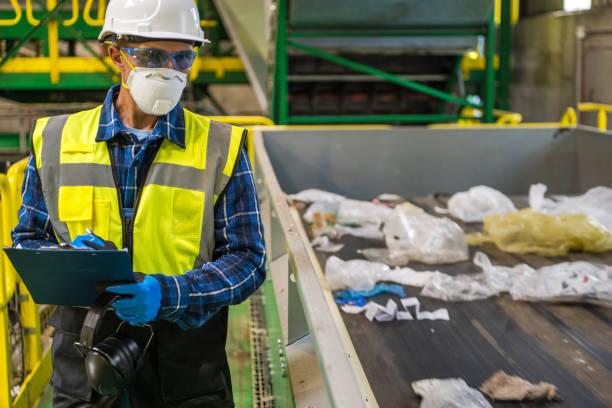
Finding a practical zero waste solution in Lagos is becoming more important for homes, restaurants, offices, estates, retailers and manufacturers trying to reduce how much waste ends up in dumpsites.
The challenge is not simply producing less rubbish. In Lagos, waste often includes food scraps, cartons, plastic bottles, damaged packaging, old electronics and reusable materials all mixed together. Once everything is combined, recycling and recovery become much harder.
A more workable zero-waste approach starts with separating materials, planning regular collection and ensuring reusable or recyclable items reach the right destination.
Travo.ng can support businesses and households with waste collection coordination, recycling logistics, transport and other operational services required to move recoverable materials efficiently.
Start by Separating Waste Where It Is Generated
One common mistake is putting every type of waste into one bin and expecting sorting to happen later.
For a restaurant in Lekki, for example, daily waste may include food leftovers, plastic drink bottles, cartons and cooking containers. An office in Ikeja may generate mostly paper, packaging, bottles and electronic waste.
Separating these materials at the point of disposal makes recovery much easier.
A simple system can include separate containers for:
- Plastics
- Paper and cardboard
- Glass
- Metals
- Organic waste
- General non-recyclable waste
Businesses generating larger volumes can also create temporary storage points where sorted materials remain until collection.
Collection Has to Match How Fast Waste Builds Up
A zero waste solution in Lagos also depends on realistic collection schedules.
A restaurant may need waste removed almost every day because food waste attracts insects and creates odour quickly. An office may only require scheduled pickups several times each week.
Warehouses, supermarkets and ecommerce businesses can accumulate large amounts of cartons and plastic packaging within days.
Instead of waiting until waste begins blocking storage space, companies can schedule collections around their actual operating volume.
Travo.ng can help coordinate waste movement and transport arrangements so recyclable or reusable materials are collected before they become an operational problem.
Lagos Traffic Makes Waste Logistics More Complicated
Waste collection in areas such as Victoria Island, Lekki, Ikeja and Lagos Island must account for traffic.
A vehicle arriving several hours late can disrupt loading areas, estate access or normal business activity.
Where possible, collections should be scheduled during less congested periods or coordinated alongside other logistics activities.
For businesses generating high volumes, consolidating waste before collection can also reduce unnecessary vehicle trips.
Efficient routing matters because a zero-waste programme that requires too many poorly planned journeys can create additional transport costs.
Businesses Can Recover More Than They Expect
Many materials commonly treated as rubbish still have useful value.
Retail cartons can be recycled. Plastic containers can enter recovery streams. Wooden pallets may be repaired and reused. Some packaging materials can be returned to suppliers.
Restaurants and food businesses can also separate organic waste from plastics and other materials, making both categories easier to process.
Manufacturers should examine packaging, damaged stock, production offcuts and reusable containers separately instead of treating everything as general waste.
This reduces disposal volume while helping businesses understand exactly where most of their waste comes from.
Keep Simple Records of What You Throw Away
A business cannot reduce waste effectively without knowing what it produces.
Companies do not need complicated software to begin. A simple weekly record can track:
- Type of waste generated
- Approximate volume or weight
- Number of collections
- Recyclable materials recovered
- Disposal or transport costs
After several weeks, patterns become clearer.
A supermarket may discover that cartons form most of its waste volume. A restaurant may find that food preparation creates more organic waste than customer leftovers.
These findings help businesses focus on the areas where waste reduction will have the greatest impact.
Build a Zero Waste System That Can Actually Work
Zero waste does not usually mean eliminating every piece of rubbish immediately. For most Lagos businesses, the practical objective is reducing unnecessary waste and recovering as much reusable material as possible.
Start with proper separation, reliable storage, scheduled collection and clear records.
Travo.ng can support the logistics side by coordinating collection, transport and movement of recyclable or recoverable materials where required.
A well-organised zero waste solution in Lagos should make waste easier to manage, not create another complicated operational burden. With the right collection plan and logistics support, homes and businesses can reduce disposal volumes while keeping their premises cleaner and more organised.
