


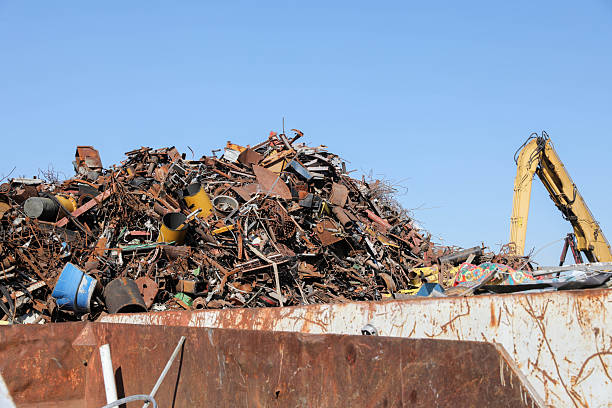
Waste to energy in Lagos is becoming an important part of the conversation around how the city handles its growing volume of household, commercial, market, and industrial waste.
Instead of treating every discarded material as something that must end up at a dumpsite, waste-to-energy systems recover useful value from suitable waste streams. Depending on the material and technology involved, this can include producing electricity, heat, biogas, or other forms of usable energy.
For Lagos businesses, however, the process starts long before waste reaches an energy facility. Proper sorting, storage, collection, transport, and coordination are what make waste recovery practical.
Not Every Type of Waste Should Be Mixed Together
One of the biggest operational problems with waste management in Lagos is mixed waste.
A restaurant may dispose of food scraps together with plastic packaging. A warehouse may combine damaged cartons, nylon, wooden pallets, and general refuse. Once everything is mixed, recovering useful material becomes more difficult.
Businesses considering waste to energy in Lagos should first understand their waste stream.
Common categories include:
- Food and other organic waste
- Paper and cardboard
- Plastics
- Wood waste
- Commercial packaging
- Industrial residues
- General non-recyclable waste
Some materials are better suited to recycling or composting than energy recovery. Hazardous or medical waste also requires specialist handling and should never simply be included with ordinary commercial refuse.
Collection and Transport Can Determine Whether the System Works
Waste conversion projects depend heavily on reliable logistics.
Imagine a restaurant chain operating in Ikeja, Lekki, Victoria Island, and Surulere. Collecting organic waste from every location requires scheduled pickups, suitable vehicles, proper containers, and coordination so that waste does not remain on-site for several days.
The same applies to factories, supermarkets, hotels, markets, and warehouses.
Travo.ng can support businesses with transport coordination, vehicle arrangements, scheduled movement, and logistics planning where waste or recyclable materials need to be moved between business locations, collection centres, processors, or approved facilities.
Good routing becomes especially important during Lagos traffic. A vehicle collecting waste around Lekki during evening congestion may lose several productive hours if pickups are badly scheduled.
Separate Waste at the Point Where It Is Generated
Sorting waste after everything has been dumped together is expensive and inefficient.
A more practical approach is source separation.
A hotel, for example, can keep kitchen waste separate from bottles, cartons, plastics, and general refuse. Warehouses can create designated sections for damaged packaging and reusable materials.
Clear labelling also helps staff avoid contamination.
For businesses producing significant volumes, recording the approximate quantity generated each week can help determine the vehicle size and collection frequency required.
Waste Logistics Should Match Actual Business Volume
Daily collection is not always necessary.
A small office may only require periodic pickup, while a busy food business around Victoria Island could generate enough organic waste to require much more frequent movement.
Collection planning should consider:
- Waste quantity
- Type of material
- Storage capacity
- Pickup frequency
- Loading requirements
- Distance to the receiving facility
- Vehicle size
- Lagos traffic patterns
Using an oversized truck for a small load increases transport costs, while using an undersized vehicle can create repeated trips.
Turning Lagos Waste Into a Useful Resource
Waste to energy in Lagos is not simply about building energy plants. It also depends on what happens between the point where waste is generated and the point where it is processed.
Businesses can contribute by separating materials correctly, maintaining clean storage areas, planning pickups early, and using reliable transport arrangements.
Travo.ng provides practical logistics and transport coordination for organisations that need scheduled collections, cargo movement, vehicle hire, delivery support, and broader business logistics services across Lagos.
With better sorting and dependable movement, more of Lagos’ waste can be treated as a recoverable resource instead of something that simply occupies landfill space.
