


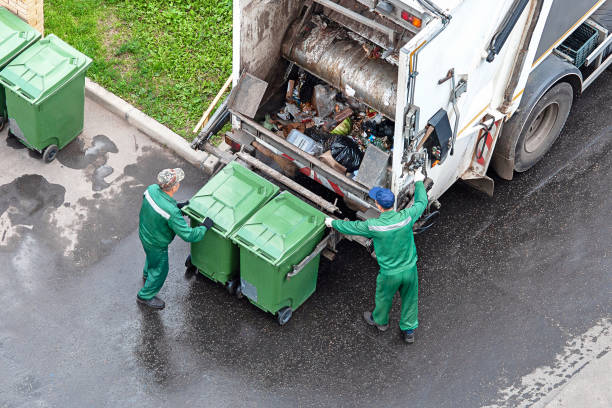
A practical waste reduction strategy in Lagos starts with understanding where waste is coming from, how much is being generated, and what happens to it after collection. For homes, restaurants, offices, warehouses, and retail businesses, simply paying someone to remove waste is not enough.
Poor waste handling can increase operating costs, create hygiene problems, block storage areas, attract pests, and make business premises difficult to manage. Lagos also presents its own challenges, from congested streets and irregular collection times to limited space for storing waste before pickup.
The better approach is to reduce unnecessary waste before arranging disposal.
Start by Knowing What You Throw Away Most
Businesses should first separate their waste into simple categories. A restaurant in Lekki may generate large amounts of food scraps, plastic containers, cartons, bottles, and cooking-related waste. An office in Ikeja may mostly dispose of paper, packaging, printer materials, and food containers.
Monitoring waste for one or two weeks can reveal where the biggest problem lies.
For example, a restaurant throwing away several bags of unused vegetables every evening may have an ordering or storage problem rather than a waste collection problem.
Once the source is clear, reducing it becomes much easier.
Reduce Waste Before Paying to Move It
Waste collection becomes cheaper and easier when less material needs to leave the premises.
Businesses can reduce volumes by:
- Ordering supplies based on realistic demand
- Reusing cartons and packaging where safe
- Separating recyclable materials
- Avoiding unnecessary single-use packaging
- Improving stock rotation
- Donating suitable excess items instead of discarding them
- Compressing bulky packaging before collection
For companies receiving regular deliveries, working with suppliers to reduce excessive packaging can make a noticeable difference over several months.
Food Businesses Need a Different Approach
Food waste is one of the biggest operational concerns for restaurants, caterers, hotels, supermarkets, and food vendors in Lagos.
Poor forecasting can result in large quantities of ingredients being discarded after weekends, events, or slow trading periods. Power interruptions can also damage refrigerated products when businesses do not have reliable cold storage arrangements.
A useful waste reduction strategy in Lagos should therefore include better inventory planning, cold storage, scheduled deliveries, and faster movement of perishable goods.
Travo.ng can support businesses with delivery coordination, logistics planning, cargo movement, and other transport requirements that help reduce unnecessary stock delays.
Plan Collection Around Lagos Traffic
Waste should not remain outside a restaurant, office, estate, or warehouse longer than necessary.
In areas such as Victoria Island, Lekki, Surulere, Ikeja, and Lagos Island, traffic conditions can affect collection schedules significantly. Businesses should avoid relying on last-minute pickups, particularly during busy morning and evening periods.
Scheduled collection or transport coordination gives businesses more control over when materials leave their premises.
This becomes especially important for companies generating bulky packaging, food waste, damaged inventory, or materials that quickly occupy valuable storage space.
Keep Waste Streams Separate
Mixing everything into one bin makes reuse and recycling more difficult.
Where practical, businesses can create separate storage points for:
- Food and organic waste
- Plastics
- Paper and cartons
- Glass
- Metals
- General non-recyclable waste
Clearly labelled containers also make it easier for staff to follow the system without needing complicated training.
Even small offices can use this approach.
Review Waste Costs Every Month
Waste reduction should produce measurable savings.
Track how much the business spends on collection, damaged stock, spoiled food, packaging, storage, and emergency disposal. Compare the figures monthly.
If waste collection frequency remains the same after implementing a reduction plan, investigate why. The business may still be purchasing too much stock or staff may not be following the separation process.
Travo.ng can assist organisations that need practical business logistics support, delivery coordination, cargo transport, or scheduled movement of materials across Lagos.
A strong waste reduction strategy in Lagos is ultimately about preventing waste, not simply finding somewhere to dispose of it. Businesses that control purchasing, storage, packaging, inventory, and collection schedules can keep their premises cleaner while reducing avoidable operating expenses.
