


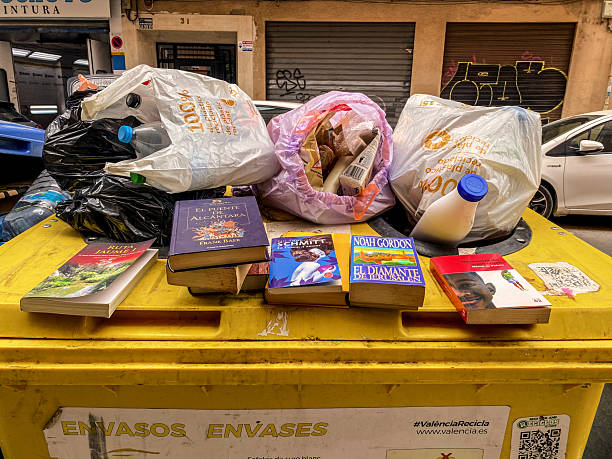
Restaurant recycling in Lagos is becoming more practical for food businesses that want to reduce waste, keep their premises cleaner, and handle daily rubbish more efficiently. From takeaway packs and plastic bottles to cartons, glass, cans, and leftover food, a busy restaurant can generate several bags of waste before closing time.
The problem is not just producing waste. It is separating it, storing it safely, and arranging dependable collection before it begins to smell, attract pests, or block valuable kitchen and storage space.
For restaurants in areas such as Lekki, Victoria Island, Ikeja, Surulere, and Yaba, a workable recycling system has to fit around normal kitchen operations rather than disrupt them.
Start by Separating What Your Restaurant Throws Away
Recycling becomes difficult when everything goes into one bin.
A restaurant can make collection much easier by separating common waste into simple categories such as:
- Plastic bottles and containers
- Glass bottles
- Aluminium cans
- Cardboard cartons
- Food scraps and organic waste
- General non-recyclable rubbish
The system does not need to be complicated. Clearly labelled bins positioned near the kitchen, bar, store, and customer service areas are often enough.
Staff also need to know which items belong in each container. If food is constantly mixed with cardboard or plastic, much of the material may no longer be suitable for recycling.
How Restaurant Recycling in Lagos Fits Daily Operations
Timing matters almost as much as sorting.
A small restaurant may only need scheduled collections a few times each week. A high-volume outlet serving hundreds of meals daily may require collection every day, especially for organic waste.
Restaurants in busy commercial areas also need to consider access. A collection vehicle attempting to reach a restaurant on Admiralty Way during peak traffic, for example, may face delays that affect both the restaurant and the waste operator.
Collection schedules are therefore better arranged around quieter periods, such as early mornings, late evenings, or times when deliveries and customer traffic are lower.
Travo.ng can support businesses with transport coordination, scheduled pickups, and other logistics arrangements where waste or recyclable materials need to be moved between locations.
Do Not Allow Packaging Waste to Take Over Your Store
Cardboard is one of the easiest materials for restaurants to accumulate.
Cooking oil, drinks, frozen ingredients, cleaning products, and other supplies often arrive in cartons. If these boxes are left unfolded, they quickly consume storage space.
Flatten cartons immediately after unpacking supplies and keep them dry. Wet or grease-soaked cardboard is harder to recycle.
Plastic bottles and cans should also be emptied before storage. Where space is limited, frequent pickups may be more practical than keeping several days of recyclable materials on the premises.
Food Waste Needs Faster Collection
Food waste requires a different approach from bottles and cartons.
Vegetable trimmings, spoiled ingredients, plate leftovers, and expired food can deteriorate quickly in Lagos heat. Leaving organic waste behind a restaurant for several days can create odour, flies, rodents, and complaints from neighbouring businesses.
Use covered bins and remove organic waste from food preparation areas regularly.
Restaurants handling large volumes should also track where waste is coming from. If large quantities of rice, vegetables, bread, or prepared meals are thrown away every day, the issue may partly be overproduction rather than waste collection alone.
Better stock planning can reduce both disposal costs and ingredient losses.
Plan Recycling Around Supplier and Delivery Movements
Restaurants already manage frequent movement of food, drinks, packaging, and kitchen supplies.
Recycling works better when it becomes part of that logistics routine.
For example, managers can schedule recyclable collections on specific days, coordinate them with quieter receiving periods, and keep collection areas away from fresh food deliveries.
Businesses operating several branches can also consolidate recyclable materials before arranging larger pickups where practical.
Travo.ng’s business logistics and transport coordination services can help restaurants organise scheduled movement instead of relying on last-minute arrangements whenever waste begins to pile up.
Keep the System Simple Enough for Staff to Follow
A recycling plan fails when it creates too much extra work during busy service periods.
Use clearly marked containers, assign responsibility for checking them, and establish a fixed collection schedule. Managers should also review the system occasionally to see which materials are accumulating fastest.
Restaurant recycling in Lagos works best when sorting, storage, and collection become normal parts of daily operations. With a practical system and reliable pickup planning, restaurants can reduce unnecessary waste buildup, free up valuable space, and maintain cleaner premises while running their kitchens efficiently.
