


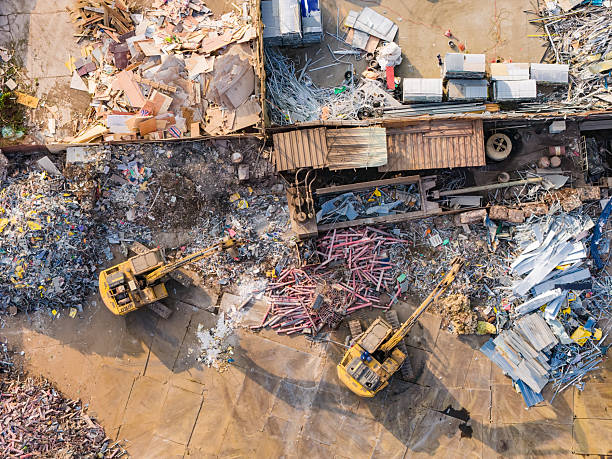
Anyone who has lived through a heavy Lagos downpour knows how quickly a small drainage problem can become a serious one. Plastic bags, food packaging, leaves, bottles, construction debris and poorly handled household waste can block gutters within days.
Learning how to prevent blocked drainage waste in Lagos is especially important for homes, estates, restaurants, shops and offices in areas where drainage channels already struggle during heavy rainfall. Regular waste removal and better disposal habits can reduce flooding risks before the rain exposes the problem.
Clear Waste Before Lagos Rain Pushes It Into the Drain
One mistake people make is waiting until a gutter is already blocked before arranging waste removal.
Loose rubbish left beside buildings or roads can easily enter nearby drains during rainfall. This is common around busy residential streets, markets and commercial areas where waste builds up faster than expected.
Properties in places such as Lekki, Surulere, Ikeja, Yaba and parts of the Lagos mainland may experience different drainage conditions, but the basic approach is the same: remove waste before water carries it into drainage channels.
For homes and businesses generating regular rubbish, scheduled collection is usually more practical than emergency clearing after flooding begins.
Watch the Waste That Causes the Fastest Blockages
Not every drainage obstruction comes from one large item. Most develop gradually.
Common materials include:
- Nylon bags and plastic packaging
- Disposable food containers
- PET bottles
- Leaves and garden waste
- Cartons
- Sand from construction work
- Broken household items
- Restaurant and market waste
Restaurants and food businesses need particular attention because packaging, food residue and disposable containers can accumulate quickly. Construction sites also need proper debris removal because sand and cement waste can wash directly into open gutters.
Preventing these materials from reaching the drain is usually cheaper and easier than clearing a major blockage later.
Do Not Leave Bagged Waste Beside Open Gutters
Bagging rubbish is only the first step.
If filled bags remain outside for several days, they can tear, attract animals or be scattered during rainfall. Once the contents spread, lightweight plastics are easily washed into nearby drainage systems.
Businesses with limited waste storage space should arrange collection based on how quickly rubbish accumulates rather than waiting for a fixed pile to become unmanageable.
Travo.ng can help coordinate practical waste collection and transport arrangements for households, offices and businesses that need rubbish moved away before it becomes an environmental or drainage problem.
Plan Waste Collection Around Your Business Volume
A small office may not generate the same amount of rubbish as a restaurant, supermarket or residential estate.
Businesses should estimate how much waste they produce daily and arrange collection accordingly. During festive periods, busy weekends or large events, normal collection schedules may not be enough.
For example, a restaurant in Lekki that usually fills several waste bags daily may require more frequent removal after a busy weekend. An estate preparing for the rainy season may also need accumulated outdoor rubbish, unwanted household items and garden waste cleared before heavy rain begins.
This kind of planning helps prevent blocked drainage waste in Lagos instead of responding after streets or compounds become flooded.
Keep Drainage Areas Accessible for Regular Inspection
Waste collection works better when gutters and drainage channels can be inspected easily.
Avoid storing bins, building materials or abandoned equipment directly over drainage access points. Property managers should check drainage edges regularly, especially before and during the rainy season.
Early warning signs include slow-moving water, unpleasant smells, visible plastic buildup and water collecting around gutter openings.
Removing nearby rubbish immediately can stop a minor obstruction from becoming a larger problem.
Arrange Waste Removal Before It Becomes an Emergency
Blocked drainage is often the final stage of a waste problem that has been building for weeks.
Regular rubbish collection, responsible disposal and early clearing of loose materials around properties can make a major difference. Businesses should also treat waste management as part of everyday operations rather than something handled only when complaints begin.
Travo.ng can support waste collection, transport coordination and related logistics for customers who need unwanted materials moved efficiently across Lagos.
If rubbish is already building around your property, arranging collection early is far more practical than dealing with flooded access roads, blocked gutters or emergency drainage clearing after the next heavy rain.
