


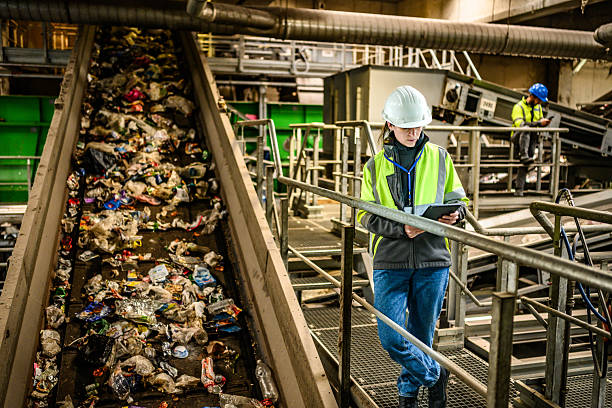
Running a mixed-use property in Lagos means dealing with different types of waste from the same location. A development may have apartments upstairs, restaurants on the ground floor, supermarkets, offices, gyms, pharmacies, and other businesses operating within one compound.
That makes a reliable mixed-use development waste service in Lagos important. Residential waste, food waste, cartons, packaging, office rubbish, and bulky items cannot always be handled with one irregular collection schedule.
Travo.ng helps property managers and businesses coordinate practical waste collection and transport arrangements that keep shared developments cleaner and easier to manage.
One collection schedule may not work for the whole building
Waste volumes vary significantly inside mixed-use properties.
A restaurant can fill several bins with food and packaging during a busy weekend, while an office may mainly generate paper, cartons, and general rubbish during weekdays. Residential sections often produce more household waste during evenings and weekends.
Instead of waiting until every bin is overflowing, property managers should plan collection according to how each section actually generates waste.
A typical arrangement might include:
- More frequent pickup for restaurants and food outlets
- Scheduled general waste collection for apartments
- Separate handling for cartons and recyclable materials
- Planned removal of bulky waste when tenants move in or out
- Extra collections during festive periods or major events
This reduces unnecessary pickups while preventing waste accumulation.
Lagos traffic should influence pickup timing
Waste collection in Lagos is not simply about sending a truck when a bin becomes full.
Traffic around Lekki, Victoria Island, Ikeja, Surulere, Yaba, and other commercial areas can affect collection times considerably. A vehicle entering a busy development during peak customer hours may also block parking spaces, loading bays, or entrances.
For many properties, early-morning or agreed off-peak collections work better.
The collection plan should consider building access, security procedures, loading areas, tenant operating hours, and the size of vehicle that can safely enter the premises.
Overflowing waste quickly becomes a tenant problem
Poor waste coordination affects more than appearance.
When collection is delayed, restaurants may struggle with food waste, residents may leave bags beside full bins, and commercial tenants can begin complaining about odour or pests.
It can also create unnecessary arguments over which tenant is responsible for excess waste.
Property managers can reduce these problems by establishing clear disposal points and collection routines from the beginning.
Where possible, waste areas should be easy for collection teams to access without requiring vehicles to move through heavily occupied parts of the property.
Waste needs can change as occupancy increases
A development that operates comfortably at 50 percent occupancy may struggle after more shops, restaurants, and apartments become occupied.
Managers should therefore review waste volumes periodically rather than keeping the same arrangement indefinitely.
Watch for practical warning signs such as:
- Bins filling before the next scheduled pickup
- Waste bags appearing outside designated areas
- Frequent emergency collection requests
- Increasing restaurant or retail activity
- New tenants producing different waste streams
Adjusting frequency early is usually easier than repeatedly arranging urgent evacuation after waste has already accumulated.
Arrange mixed-use property waste collection with Travo.ng
Travo.ng can support property managers, facility teams, developers, and commercial operators that need coordinated waste movement and related logistics in Lagos.
A practical mixed-use development waste service in Lagos should reflect the property’s actual occupancy, waste volume, access restrictions, and tenant activities rather than using a one-size-fits-all schedule.
Whether the property contains apartments, retail stores, offices, restaurants, or several uses together, Travo.ng can help coordinate scheduled collections and transport support around day-to-day operations.
For properties dealing with recurring pickups, business logistics, moving requirements, or bulky-item transport, these services can also be coordinated alongside other operational needs. The goal is simple: keep waste moving before it becomes a problem for tenants, customers, or property management.
