


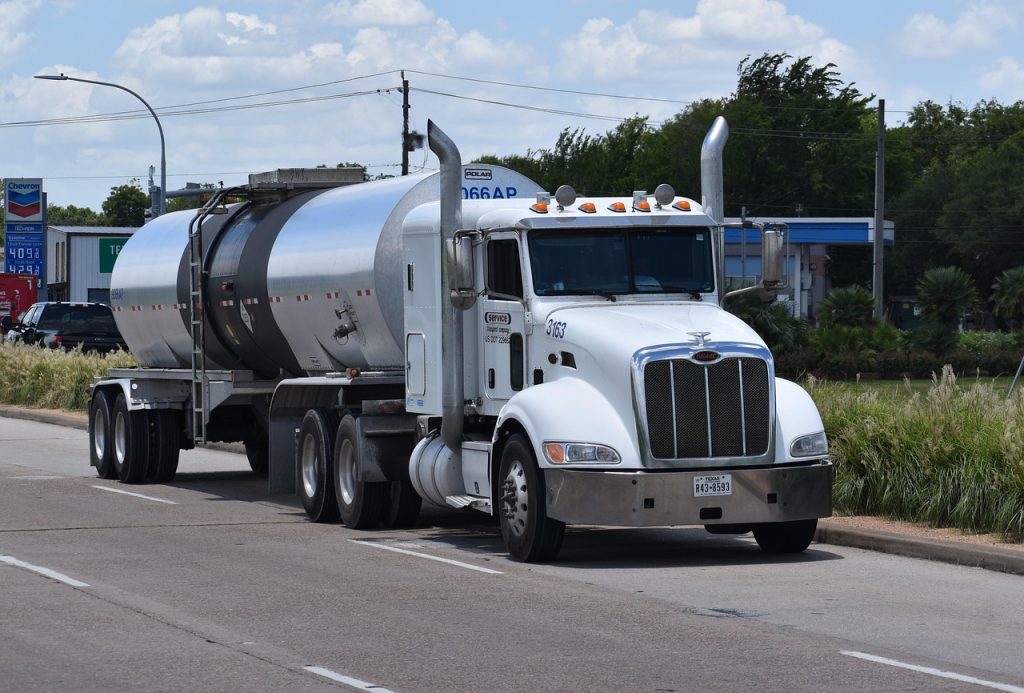
Long-haul trucking is where logistics becomes most demanding. Unlike short city deliveries, interstate and cross-country routes involve long hours on the road, higher fuel consumption, driver fatigue risks, unpredictable road conditions, and delays at loading or checkpoint points.
A long haul truck management company exists to handle all of that complexity. It ensures trucks moving goods over long distances are properly planned, maintained, dispatched, and monitored so that every trip is safe, efficient, and profitable.
For fleet owners operating routes like Lagos–Abuja, Lagos–Kano, Port Harcourt–Onitsha, and other interstate corridors in Nigeria, this type of management is what keeps long-distance trucking sustainable.
What a long haul truck management company actually does
A long haul truck management company oversees the full operation of trucks that travel long distances for cargo delivery.
It handles:
- Interstate dispatch planning and scheduling
- Driver assignment for long-distance routes
- Fuel planning and consumption control
- Vehicle maintenance and roadworthiness checks
- Cargo coordination and load matching
- Route optimisation across multiple states
- Real-time tracking and trip supervision
- Delivery confirmation and reporting
In simple terms, it ensures trucks don’t just travel far—they travel efficiently, safely, and profitably.
Why long haul truck management is necessary
Long-distance trucking carries more operational risk than city logistics.
Without structured management, common issues include:
- Driver fatigue leading to delays or accidents
- Fuel inefficiency on extended routes
- Breakdown incidents far from repair centres
- Poor planning of return trips
- Cargo delays due to route mismanagement
- Lack of visibility during long journeys
These problems reduce both safety and profitability.
Core components of long haul truck management services
1. Route planning for interstate logistics
Long-distance routes require careful planning.
Management includes:
- Selecting optimal interstate highways
- Avoiding high-risk or congested routes
- Planning fuel stops and rest points
- Coordinating travel time with delivery deadlines
- Adjusting routes based on road conditions
For example, Lagos–Abuja routes require timing adjustments due to checkpoints and highway conditions.
2. Driver assignment and fatigue management
Drivers are critical in long-haul operations.
Services include:
- Assigning experienced interstate drivers
- Managing driving shifts and rest schedules
- Monitoring fatigue levels and compliance
- Ensuring safety standards are followed
- Tracking driver performance on long routes
Fatigue management is essential to prevent accidents and delays.
3. Fuel planning and efficiency control
Fuel cost increases significantly over long distances.
Management focuses on:
- Estimating fuel requirements per route
- Monitoring fuel consumption per kilometre
- Reducing unnecessary fuel wastage
- Planning refuelling stops strategically
- Optimising driving patterns for fuel efficiency
Even small improvements impact total trip cost significantly.
4. Vehicle maintenance and long-distance readiness
Long-haul trips put more strain on vehicles.
Management includes:
- Pre-trip inspection and roadworthiness checks
- Engine, brake, and tire condition monitoring
- Preventive servicing schedules
- Emergency breakdown planning
- Spare parts readiness for interstate issues
A breakdown far from a city can cause major delays and losses.
5. Cargo coordination and delivery scheduling
Long-haul trucks must be carefully matched with cargo demand.
This includes:
- Assigning cargo based on truck capacity
- Coordinating pickup and delivery timelines
- Ensuring continuous cargo availability
- Reducing empty return trips through backhaul planning
- Managing client delivery expectations
Efficient cargo flow improves profitability per trip.
6. Real-time tracking and trip supervision
Visibility is essential for long journeys.
Management systems provide:
- GPS tracking of trucks in real time
- Route monitoring and deviation alerts
- Communication with drivers during transit
- Delivery progress updates for clients
- Trip milestone reporting
This ensures accountability throughout the journey.
7. Return trip optimisation
A major loss in long-haul trucking is empty return trips.
Management focuses on:
- Securing return cargo before dispatch
- Coordinating backhaul opportunities
- Reducing dead mileage
- Increasing revenue per full round trip
Better planning improves overall fleet efficiency.
Key performance indicators in long haul trucking
Long-distance fleet performance is measured by:
- Trip completion rate
- Fuel consumption per kilometre
- Revenue per round trip
- Delivery time accuracy
- Breakdown frequency per route
- Return trip utilisation rate
- Driver performance efficiency
These metrics show how effectively the fleet is operating across long distances.
Challenges in long haul trucking in Nigeria
Long-distance operators often face:
- Poor road infrastructure on interstate highways
- Traffic congestion leaving major cities like Lagos
- Fuel price volatility affecting trip cost planning
- Security risks on certain highway corridors
- Delays at checkpoints and toll points
- Weather-related disruptions during long routes
These realities make structured management essential.
Risks of poor long haul truck management
Without proper systems, fleet owners face:
- Increased breakdowns far from support centres
- High fuel wastage across long distances
- Missed delivery deadlines and penalties
- Driver fatigue-related incidents
- Unprofitable return trips
- Reduced fleet reliability and customer trust
Long-haul operations become financially unstable.
How long haul truck management improves profitability
When properly implemented, it delivers:
- Higher trip efficiency and reliability
- Lower fuel and maintenance costs
- Better driver performance and safety
- Reduced downtime during long journeys
- Improved cargo utilisation both ways
- More predictable income per trip cycle
The fleet becomes a structured interstate logistics system.
Technology used in long haul truck management
Modern companies rely on:
- GPS tracking systems for live monitoring
- Fuel consumption analytics tools
- Route optimisation software
- Predictive maintenance systems
- Digital dispatch and communication platforms
These tools improve visibility and control across long distances.
Where logistics coordination fits into long haul operations
Even well-managed long-haul fleets depend on broader logistics systems.
This includes:
- Cargo booking and freight forwarding
- Warehouse and depot coordination
- Port clearance and customs processing
- Regional distribution planning
Delays in logistics coordination directly affect truck performance.
How Travo.ng supports logistics coordination
While long haul truck management companies focus on fleet operations and interstate movement, logistics coordination ensures smooth cargo flow across the entire supply chain.
Travo.ng supports logistics operations through:
- Cargo consolidation and freight coordination
- Intercity and interstate delivery services
- Port-to-destination logistics support
- Supply chain coordination across Nigeria
- End-to-end logistics execution for cargo movement
This helps reduce delays that affect fleet utilisation and profitability.
Final thoughts
A long haul truck management company is essential for keeping interstate freight operations efficient, safe, and profitable. Without structured management, long-distance trucking becomes unpredictable, expensive, and difficult to scale.
With proper systems in place, trucks move more efficiently, complete trips faster, and generate consistent revenue across long routes.
In modern logistics, success is not about how far your trucks can go—it is about how efficiently they are managed at every stage of the journey.
