

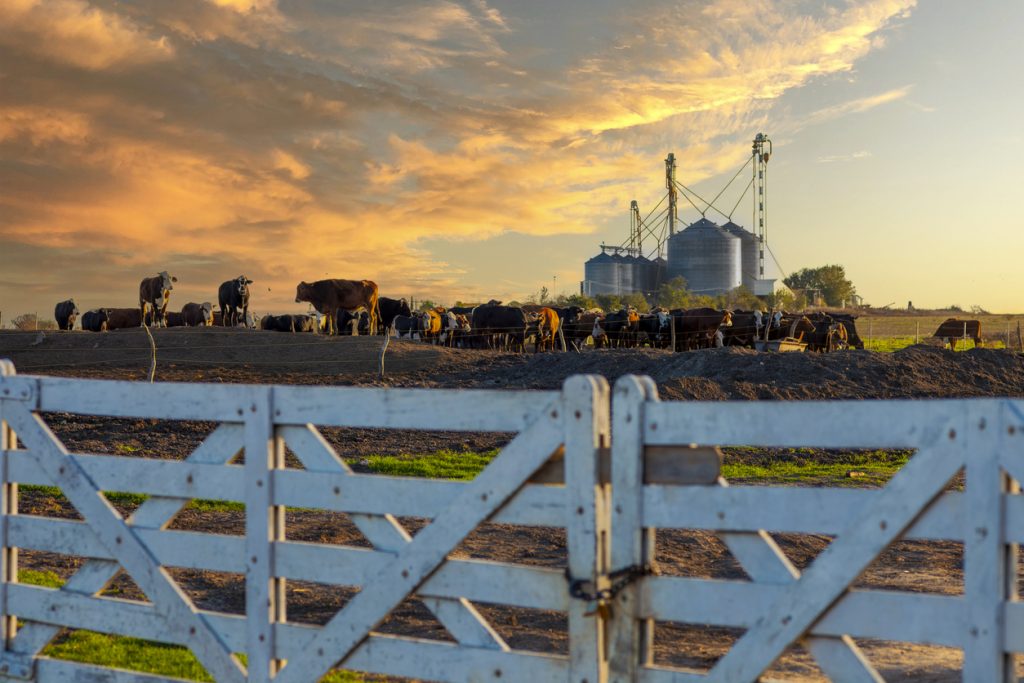
Bulk livestock transport in Nigeria needs a collection and delivery plan before a truck is priced. The useful starting point is the actual consignment: species, animal numbers and sizes, origin farms, destination, date and receiving capacity. A commercial cattle movement, poultry distribution run and pig-farm transfer need different loading and handling arrangements. They should not be booked as an ordinary mixed-goods load.
Bulk cattle, poultry and pig transport: what changes?
| Consignment | Information needed for a useful quote | Operational questions |
|---|---|---|
| Bulk cattle transport | Animal count, approximate sizes, grouping, origin and receiving yards. | What loading facilities, internal separation and experienced handlers are needed? |
| Bulk poultry transport | Bird type and age, count, crate details and pickup/delivery windows. | How will crate layout, airflow, monitoring and unloading be managed? |
| Bulk pig transport | Piglets or adult pigs, numbers, sizes, farm groups and access. | Can the vehicle and handlers support the proposed groups and loading method? |
| Goats and sheep | Species, sizes, flock groups, identification and collection points. | How will groups be kept identifiable and handled at each transfer? |
| Breeding stock | Individual IDs, records, handling history and veterinary instructions. | What additional preparation and receiving arrangements are required? |
These are quotation questions, not stocking-density instructions. A vehicle’s nominal tonnage is not a safe head-count formula. The transporter and appropriate animal-care professionals need to assess the actual consignment. For species details, read goat collection and delivery, pig transport and live poultry transport.
Dedicated truck or group animal transport?
A dedicated movement can give you clearer control over collection times, stops and the destination. Shared or group animal transport needs a specific explanation of which consignments may travel together, the number of collections, any transfers and the expected journey. Do not accept an unspecified “groupage” arrangement merely because it is cheaper. Ask how each owner’s animals will be separated, identified and handed over.
If a provider proposes more than one truck, request a vehicle-by-vehicle loading and delivery plan. The smallest suitable fleet is not automatically the lowest number of trucks. Farm access, unloading capacity, group compatibility and the ability to manage a delay can change the proposed arrangement. A truck waiting outside a closed receiving yard is a planning failure, even when it reached the correct city.
Livestock fleet services and repeat farm logistics
For a recurring livestock supply-chain contract, describe the weekly or monthly pattern rather than requesting a vague nationwide rate. Specify farms, approximate volumes, seasonal peaks, loading windows and the receiving team’s working hours. Ask who dispatches the vehicles, who confirms readiness and how changes to animal numbers are approved.
Agree a single movement reference and a list for each vehicle. That list can identify the consignment owner, source farm, count or other suitable identification, loading time, destination and authorised receiver. Record substitutions, delays and discrepancies so the next team does not have to reconstruct the movement from informal messages. A photograph can support a handover record but should not replace the agreed count and identity checks.
Collection, delivery and the receiving farm
Give the transporter the real access conditions: gate width, road surface, turning space, loading equipment and any restrictions on arrival time. A large trailer may not reach the farm even when the address looks accessible on a map. Resolve any smaller-vehicle transfer before collection; the additional handling, equipment and responsibility need to be agreed.
Nominate a receiver who can accept the animals, verify the consignment and resolve a discrepancy. Confirm that the intended holding area and unloading arrangements will be ready. If you are moving breeding cattle, goats, sheep or pigs, coordinate the receiving arrangements with the farm’s veterinary adviser before dispatch. Transport does not establish an animal’s breeding quality or health status.
Biosecurity and journey preparation
Ask how the proposed vehicle and reusable equipment are cleaned between jobs and how information about the origin and destination is retained. Tell the provider about relevant veterinary instructions or movement restrictions before a vehicle is assigned. Do not hide a health concern in order to keep the loading date. A veterinarian or competent authority should decide what is required where there is doubt about an animal’s suitability for travel or a disease-control restriction.
The WOAH guidance for land transport is a useful international welfare reference. It does not replace Nigeria-specific movement requirements or a consignment-specific professional assessment. Domestic movement checks should be made with the relevant veterinary authorities; an import/export permit is a separate matter.
What should a commercial livestock haulage quote include?
| Quote component | Confirm in writing |
|---|---|
| Transport scope | Origins, destination, route, vehicle type and dedicated/shared basis. |
| Loading and unloading | Equipment, handlers, responsibility and any waiting allowance. |
| Journey care | Named responsible person, agreed monitoring and any specialist attendance. |
| Equipment | Crates, partitions, trailer or other equipment and who provides it. |
| Delays or changes | Additional stops, revised counts, waiting and cancellation charges. |
| Records and risk | Handover evidence, incident reporting and applicable insurance terms. |
A low per-animal figure can conceal vehicle positioning, extra collections or equipment charges. Ask for the complete service price and its validity. Any insurance should identify what it covers and excludes; do not assume a carrier’s general vehicle insurance covers animal loss or a commercial breeding value.
Open the bulk livestock dispatch checklist
Ask Travo about bulk livestock and farm logistics
We can discuss bulk collection, commercial animal haulage and recurring farm-transport requirements. Tell us whether the job is a single shipment, a multi-farm collection or a repeat distribution schedule. We will assess the requested arrangement rather than assume every load can use the same truck. Send Travo your animal-transport enquiry with the species, number and sizes, collection and receiving locations, date and handling requirements. We offer animal-transport enquiry and logistics coordination in Lagos and can assess requested routes elsewhere in Nigeria. The actual transporter, suitable vehicle, care arrangements, route availability and quotation must be confirmed before booking.
Browse Travo’s services for related transport, driver and logistics support. An enquiry is not a confirmed booking, veterinary service or promise of immediate nationwide dispatch.
For a one-off movement, start with livestock truck hire and quotation requirements. For a sale, auction or farm transfer, use farm-to-market livestock planning. For a long route, review interstate animal transport.
Reviewed 19 October 2026. Confirm the species-specific care plan, movement requirements, operator acceptance and service quotation for the actual journey.
Choosing an animal or livestock freight company
When comparing an animal transport business, ask who operates the vehicle, what species the handlers know, how the equipment is maintained and who owns the care decisions during the journey. Professional livestock movers should explain the actual service and provide a traceable quotation and handover process. A large fleet or a low headline price is not a substitute for those details.
Review the animal vehicle and ventilation guide before accepting equipment. If the movement is an urgent veterinary referral or rescue enquiry, use emergency and veterinary transport planning and contact the appropriate professional first.
