


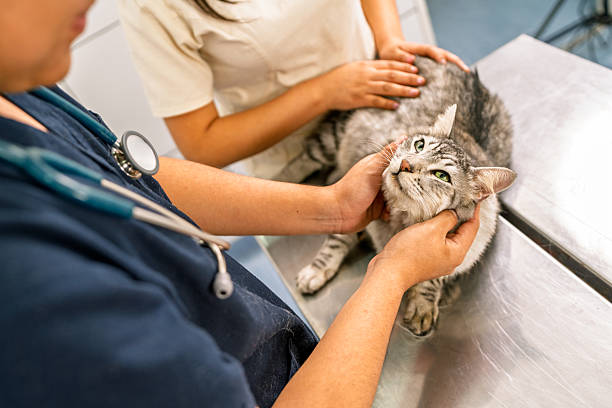
Veterinary animal transport in Nigeria is often needed when a pet, livestock animal, working animal or other legally kept animal needs to travel to a veterinary clinic, hospital, diagnostic centre, farm or specialist facility.
Unlike ordinary transportation, veterinary journeys may involve animals that are injured, recovering from illness, weak, stressed or undergoing treatment. This makes careful handling, suitable containment and good communication between the owner, veterinarian and transporter particularly important.
When Do You Need Veterinary Animal Transport in Nigeria?
Veterinary transport may be required when:
- Taking a sick pet to a veterinary clinic
- Moving an injured animal for treatment
- Transporting livestock to a veterinary facility
- Taking an animal for diagnostic testing
- Moving animals between veterinary hospitals
- Relocating an animal after treatment
- Transporting animals for specialist veterinary care
- Moving animals between farms and veterinary facilities
The transport method should depend on the animal’s condition, size, species and the distance to the destination.
Preparing an Animal for Veterinary Transport
Before transportation, the owner should speak with the veterinarian about whether the animal is fit to travel and whether any special handling is required.
Provide the transporter with accurate information about the animal, including its species, size, condition, number of animals and destination.
A suitable carrier, crate or livestock transport arrangement should be selected according to the animal. An injured animal may require additional space or support to reduce unnecessary movement during the journey.
Choosing the Right Vehicle
The vehicle should provide a secure and appropriate environment for the animal throughout the journey.
For pets, a properly secured carrier may be suitable. Larger animals such as cattle, horses or goats may require appropriate livestock transport vehicles.
Important considerations include:
- Secure containment
- Adequate ventilation
- Protection from excessive heat
- Sufficient space
- Safe loading and unloading
- Stable positioning during travel
- Reasonable journey time
The vehicle should also be clean and suitable for the type of animal being transported.
Transporting Sick or Injured Animals
Animals that are sick or injured may require additional care during transportation. The owner should follow the veterinarian’s instructions regarding handling, medication and any restrictions on movement.
Avoid unnecessary stops and delays where possible. The receiving veterinary facility should also know when the animal is expected to arrive so that appropriate staff can be ready.
For serious cases, veterinary advice should be obtained before attempting a long-distance journey.
Veterinary Animal Transport Between Nigerian Cities
Animals may need veterinary transportation between Lagos, Ibadan, Benin City, Abuja, Port Harcourt, Enugu and other Nigerian locations.
Long-distance journeys require more planning because Nigerian traffic, road conditions and weather can significantly affect travel time.
The pickup and destination should be confirmed before departure. If the animal requires urgent treatment, the owner should also communicate with the receiving clinic before starting the journey.
Veterinary Documentation and Animal Movement Requirements
Documentation requirements depend on the type of animal and the nature of the movement.
Nigeria Agricultural Quarantine Service states that its Animal Quarantine Department performs health inspections of imported and exported live animals and certifies veterinary health certificates for relevant international movements. It also inspects trade animals at designated quarantine control posts. (National Agricultural Quarantine Service)
For regulated trade animals, Nigerian animal-health legislation provides for veterinary movement and loading permits for applicable interstate movements. (National Agricultural Quarantine Service)
International transportation can involve additional import or export permits, veterinary health certificates, quarantine procedures and, for relevant wildlife species, CITES documentation. (National Agricultural Quarantine Service)
Because requirements vary by animal and journey, confirm the applicable documentation before departure.
Transporting Animals to Veterinary Clinics and Hospitals
For a local veterinary appointment, the main priorities are secure containment, safe loading and timely arrival.
For pets, make sure the carrier is properly secured inside the vehicle. For larger animals, loading should be carried out using equipment and procedures appropriate for the species.
If the animal is particularly stressed, aggressive or difficult to handle, inform the transporter and veterinary team before collection.
How Much Does Veterinary Animal Transport Cost in Nigeria?
There is no fixed price for veterinary animal transport in Nigeria. Costs can depend on:
- Type and size of animal
- Animal’s condition
- Pickup location
- Veterinary destination
- Distance
- Vehicle requirements
- Carrier or crate requirements
- Loading and unloading needs
- Journey duration
- Traffic and road conditions
- Whether dedicated transportation is required
A short pet trip to a nearby veterinary clinic can therefore cost very differently from transporting livestock from one state to another for specialist treatment.
For an accurate quotation, provide the animal type, condition, number of animals, pickup location, veterinary destination and preferred travel time.
Preparing the Veterinary Facility for Arrival
The receiving veterinary facility should be contacted before transportation, particularly when the animal is seriously ill or injured.
Provide the clinic with the relevant information about the animal and expected arrival time. This gives the veterinary team an opportunity to prepare the appropriate examination or treatment area.
For livestock and larger animals, confirm that the facility has the equipment and space required for unloading and handling.
Arranging Veterinary Animal Transport With Travo.ng
Veterinary animal transportation requires coordination between the animal owner, veterinary team and transporter.
Travo.ng can help coordinate suitable transportation and logistics arrangements based on the animal type, condition, pickup location, veterinary destination and journey requirements, subject to the availability and suitability of the requested service.
For veterinary animal transport Nigeria, confirm with the veterinarian that the animal is fit to travel, use suitable containment, plan the route carefully and ensure the receiving veterinary facility is ready before departure.
