


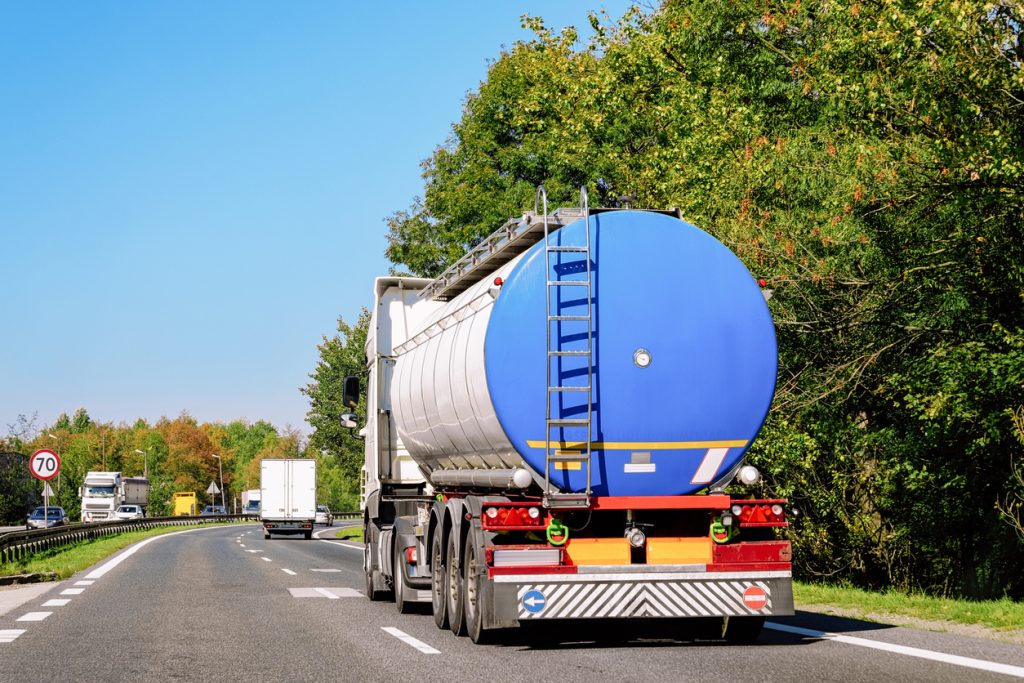
A trucking company has to manage more than vehicles and drivers. It also needs to keep track of customers, delivery requests, quotations, invoices, routes and communication.
A CRM for trucking company can help organise customer information and make it easier for transport businesses to manage relationships while coordinating their daily operations.
What Is a CRM for a Trucking Company?
A customer relationship management system, or CRM, is software used to organise customer information and interactions.
For a trucking company, a CRM can store information about customers, companies, previous deliveries, enquiries, quotations and ongoing communication in one place.
This is particularly useful when a business has multiple customers requesting transportation at different times.
How Trucking Companies Can Use a CRM
A trucking business can use CRM software to manage several parts of its customer workflow.
Customer Records
Store customer names, phone numbers, business details, addresses and previous transportation requests.
Transport Enquiries
When a customer requests a truck, the company can record the cargo type, pickup location, destination and requested delivery date.
Quotes and Follow-Ups
A CRM can help sales teams keep track of quotations and follow up with customers who have not yet confirmed their transportation requirements.
Customer Communication
Instead of searching through different conversations, staff can keep important customer interactions attached to the relevant customer record.
Delivery History
Keeping previous shipment information allows the company to see how frequently a customer uses its services and what type of transportation they normally require.
Why CRM Software Matters for Trucking Businesses
Trucking companies often work with repeat customers such as manufacturers, wholesalers, retailers, construction companies and other logistics businesses.
A well-organised CRM can make it easier to understand customer requirements and respond quickly when another transport request comes in.
It can also reduce the risk of losing important customer information between different staff members.
CRM vs Trucking Management Software
A CRM and trucking management system are not necessarily the same thing.
A CRM focuses primarily on customers, sales and communication. Trucking or fleet management software may focus more heavily on vehicles, drivers, routes, fuel, maintenance and dispatch.
Some modern platforms combine both functions, which can be useful for companies that want customer management and transportation operations in one system.
CRM Features to Look For
When choosing a CRM for a trucking company, consider features such as:
- Customer contact management
- Lead and enquiry management
- Quote management
- Follow-up reminders
- Customer communication records
- Delivery history
- Sales reporting
- Invoice integration
- Mobile access
- User permissions
- Data backup and security
The right features depend on the size of the trucking business and how it currently manages customers.
CRM for Small Trucking Companies
A small trucking company may not need complicated enterprise software.
A basic CRM can be enough to organise customers, record transport enquiries, manage quotations and follow up on potential business.
As the company gains more trucks and customers, it can introduce additional tools for fleet management, dispatch, tracking and maintenance.
Tribal and Cultural Considerations in Nigerian Trucking
Trucking businesses can operate across multiple Nigerian states and serve customers from different communities. Drivers, customers, agents and business partners should be treated professionally regardless of their cultural or regional background.
For interstate transportation, accurate information is particularly important. Always confirm the exact pickup and delivery location, contact person, phone number and any relevant landmarks before dispatching a truck.
Connecting CRM With Logistics Services
A CRM is most effective when customer management connects smoothly with actual transportation operations.
Once a customer confirms a booking, the trucking company may need to arrange a vehicle, assign a driver, coordinate cargo pickup and complete the final delivery.
Travo.ng can support relevant transportation, delivery and logistics coordination needs, helping businesses manage the movement of people and goods across different locations.
Choosing the Right CRM for Your Trucking Company
Before choosing software, consider how many customers, drivers and vehicles your company manages.
A suitable CRM should make customer information easier to access, improve follow-ups and reduce administrative work without making the company’s workflow unnecessarily complicated.
For a growing trucking company, starting with essential customer-management features and adding fleet and transportation tools as operations expand can be a practical approach.
