


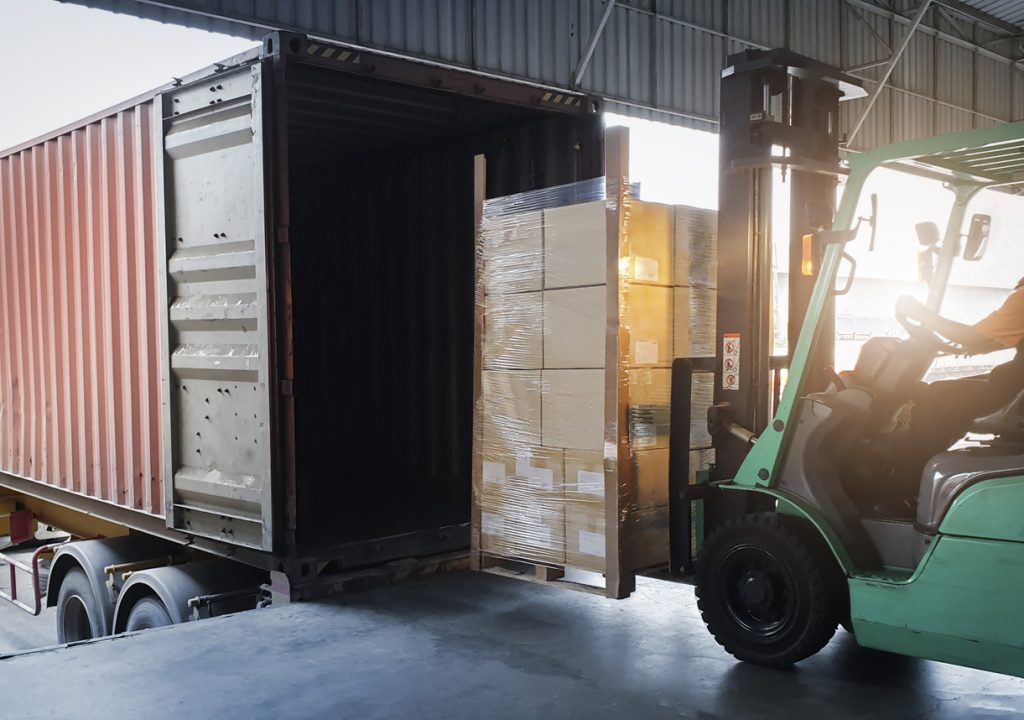
Truck driving jobs are an important part of Nigeria’s logistics industry. From moving containers out of Lagos ports to transporting goods between Abuja, Kano, Onitsha and other commercial centres, thousands of businesses depend on professional drivers to keep their supply chains moving.
But getting into truck driving is not simply a matter of knowing how to operate a vehicle.
Companies moving heavy cargo want drivers who understand road safety, vehicle checks, documentation, delivery procedures and the realities of long-distance Nigerian routes.
For someone searching for truck driving jobs, understanding what employers actually look for can make it easier to find suitable opportunities and build a career in commercial transport.
What does a truck driver actually do in Nigeria?
The job can vary considerably depending on the company and type of cargo.
A driver may be responsible for transporting:
- Food and agricultural products
- Building materials
- Consumer goods
- Industrial equipment
- Fuel and other regulated products
- Containers
- Machinery
- Packaged goods
- Raw materials
A typical assignment might involve collecting goods from a warehouse in Lagos and delivering them to a distribution centre in Ibadan.
Another driver could be responsible for moving cargo from Lagos towards Abuja, Kano or Onitsha.
The work is therefore much broader than simply driving a large vehicle from one location to another.
Drivers are often expected to follow delivery instructions, conduct basic vehicle checks, maintain trip records and communicate with dispatchers or logistics teams throughout the journey.
Where are truck driving jobs most common?
Where there are warehouses, factories, ports, distribution centres and major commercial markets, there is usually demand for commercial transport.
In Nigeria, important logistics corridors include:
- Lagos–Ibadan
- Lagos–Benin
- Lagos–Onitsha
- Lagos–Abuja
- Abuja–Kaduna–Kano
- Port Harcourt–Aba
- Onitsha–Enugu
- Kano–Kaduna
- Lagos port and industrial corridors
Lagos is particularly important because of its concentration of ports, warehouses, manufacturing businesses and distribution operations.
A driver working around Apapa, Tin Can Island, Lekki and other industrial areas may have a very different daily routine from someone doing interstate haulage.
What licence do you need to drive a truck?
This is one of the first things an aspiring commercial driver needs to understand.
A truck is not treated like an ordinary private car. The appropriate driving licence and vehicle classification matter, and requirements can depend on the type of vehicle being driven.
If you are applying for a driving position, make sure your licence is valid and appropriate for the vehicle category you intend to operate.
Employers may also ask about your previous driving experience, particularly where the position involves articulated trucks, trailers, tankers or other heavy vehicles.
Do not accept a job that requires you to operate a vehicle you are not legally qualified or properly trained to drive.
Do you need previous experience for truck driving jobs?
Not every position has the same experience requirement.
Some employers may want experienced long-haul drivers who already understand interstate routes and commercial vehicle operations.
Others may have entry-level or junior opportunities where additional training is provided.
Experience becomes particularly valuable when dealing with:
- Articulated vehicles
- Trailers
- Tankers
- Heavy haulage
- Interstate transportation
- Container transportation
- Specialised cargo
If you are new to the industry, building experience gradually can be more realistic than immediately targeting the most demanding haulage positions.
What employers look for beyond driving ability
Being able to drive a truck is only one part of the job.
A logistics company also needs to trust the driver with expensive equipment and valuable cargo.
Employers may therefore look for:
Safe driving habits
A driver who consistently takes unnecessary risks can create serious financial and safety problems for a company.
Route knowledge
Understanding major highways, cities, truck restrictions, fuel stops and common delays can be valuable, particularly for interstate work.
Vehicle awareness
Drivers should be able to identify obvious issues before and during a trip and report problems promptly.
Reliability
If a truck is scheduled to leave a warehouse at 6 a.m., repeatedly arriving late can disrupt an entire delivery operation.
Communication
Drivers often communicate with fleet managers, dispatchers, warehouse staff, customers and security personnel.
Documentation
Commercial transport involves paperwork and delivery records. Losing or incorrectly completing important documents can cause avoidable delays.
What is a typical day like for a truck driver?
There is no single routine.
A local driver might complete several short trips in one day.
An interstate driver could spend much longer on the road, depending on the route, cargo and delivery schedule.
A typical trip can involve:
- Reporting to the depot or collection point.
- Conducting vehicle checks.
- Confirming the cargo and delivery documentation.
- Loading or supervising loading.
- Receiving the trip instructions.
- Travelling to the destination.
- Communicating with the logistics team.
- Arriving at the delivery location.
- Completing unloading and delivery procedures.
- Submitting the required documentation.
The actual driving may be only one part of the overall process.
What makes truck driving in Nigeria challenging?
Commercial driving in Nigeria comes with challenges that people unfamiliar with logistics may underestimate.
Traffic is an obvious one.
A route that looks straightforward on a map can become significantly longer because of congestion, road works, accidents or other disruptions.
Port-related movements can also involve waiting and scheduling challenges.
Weather can create additional problems, particularly on longer routes where road conditions vary considerably.
There is also the issue of planning fuel, rest stops, vehicle maintenance and delivery deadlines.
This is why professional truck driving requires patience and planning rather than simply speed.
Why route knowledge matters for long-distance drivers
Imagine a truck travelling from Lagos to Abuja.
The driver needs more than a destination address.
The trip involves understanding the route, likely stopping points, fuel requirements, traffic conditions and possible delays.
For companies operating time-sensitive deliveries, a driver who understands the route and communicates effectively can help logistics managers make better decisions when something changes.
The same applies to routes connecting Lagos with Benin, Onitsha or other major commercial centres.
Experience on Nigerian roads can become a valuable professional advantage.
What type of truck driving job should you apply for?
Before applying, look carefully at the actual vehicle and cargo involved.
Common areas include:
Local delivery driving
These drivers may operate within a city or surrounding area, making shorter deliveries from warehouses to businesses and customers.
Interstate haulage
This involves transporting cargo between cities and states and generally requires greater familiarity with long-distance driving.
Container haulage
Drivers may transport shipping containers between ports, terminals, warehouses and other locations.
Heavy equipment transport
Some specialised drivers move machinery and large equipment that require careful route and loading planning.
Tanker driving
Tanker operations can involve specialised vehicles and cargo, and may have additional safety and regulatory requirements.
The best opportunity depends on your licence, experience, training and the type of work you want to pursue.
How much can a truck driver earn?
There is no reliable single salary figure for all truck driving jobs in Nigeria.
Pay can vary significantly according to:
- Employer
- Type of truck
- Experience
- Route
- Cargo
- Number of trips
- Local versus interstate work
- Allowances
- Overtime or trip arrangements
- Level of responsibility
For this reason, be cautious about job adverts that promise unusually high earnings without explaining the actual work involved.
When evaluating an offer, ask about the complete compensation structure rather than focusing only on the headline salary.
Find out whether the employer provides allowances, accommodation for long-distance trips, meals, medical support, insurance or other benefits where applicable.
Watch out for suspicious truck driving job adverts
People searching for driving work can become targets for recruitment scams.
Be careful if someone asks you to pay a large “registration fee” before revealing basic information about the job.
Before accepting an offer, verify:
- The company’s identity
- The job location
- The vehicle type
- The expected routes
- The employment terms
- The salary or trip payment structure
- Any required documents
- Who is responsible for work-related expenses
A legitimate employer should be able to explain the position clearly.
Do not hand over original personal documents unnecessarily.
How to make your truck driving CV stronger
If you are applying for commercial driving work, your CV should make your relevant experience easy to identify.
Include:
- Driving experience
- Licence information
- Vehicle types you have operated
- Local routes you know
- Interstate driving experience
- Previous employers
- Safety record, where relevant
- Relevant training
- Mechanical or vehicle inspection knowledge
- References where appropriate
For example, saying “5 years driving experience” is less informative than explaining that you have five years of commercial driving experience, including interstate haulage between Lagos, Ibadan and Abuja.
Specific information helps employers understand what you can actually do.
Why vehicle inspection is part of the job
A professional driver should not treat vehicle inspection as somebody else’s responsibility.
Before a trip, obvious issues with tyres, lights, brakes, fluid levels and other important components should be checked according to the company’s inspection procedure.
If something does not look right, report it.
A small mechanical problem identified before departure can be much easier to address than a breakdown several hours into an interstate journey with a loaded truck.
This is particularly important when carrying valuable or time-sensitive cargo.
What should you ask before accepting a truck driving job?
Do not be afraid to ask practical questions during the recruitment process.
Find out:
- What type of truck will I drive?
- What routes will I cover?
- Is the work local or interstate?
- What type of cargo will I transport?
- How are drivers paid?
- Are there trip allowances?
- Who pays for accommodation during long trips?
- What are the working hours?
- What happens if a vehicle breaks down?
- Is additional training provided?
- What documentation is required?
These questions help you understand the job before committing to it.
Truck drivers are part of a much larger logistics operation
A successful delivery involves considerably more than the person behind the steering wheel.
Behind a single truck trip there may be:
- A customer placing an order
- Warehouse staff preparing the cargo
- A dispatcher planning the movement
- A fleet manager monitoring the vehicle
- A driver transporting the goods
- Receiving staff handling delivery
- Administrative teams processing documentation
This is why communication matters so much.
If the driver encounters a major delay and fails to inform the logistics team, the customer may have no idea what is happening.
A professional driver is therefore part of the company’s wider supply chain.
How Travo.ng fits into the logistics side
Travo.ng operates across travel, transport and logistics-related services, supporting customers who need practical solutions for moving people and goods.
For businesses handling cargo, the requirement may go beyond simply finding a driver. They may need transport coordination, delivery services, cargo logistics or other support depending on the shipment.
That broader logistics perspective is important because the right vehicle and transport arrangement depend on what is being moved, where it is going and how it needs to arrive.
For drivers looking for opportunities, understanding how the wider logistics operation works can also make you more valuable to potential employers.
How to build a career instead of just finding a driving job
If you want truck driving to become a long-term career, think beyond your next job.
You can gradually build experience in areas such as:
- Heavy vehicle operation
- Interstate haulage
- Fleet operations
- Vehicle safety
- Route planning
- Logistics coordination
- Cargo handling
- Transport management
A driver who understands both the road and the logistics operation can eventually move into supervisory or fleet-related roles.
The industry needs people who can do more than simply operate a vehicle.
What to do before applying for truck driving jobs
Before sending out applications, make sure you have:
- A valid and appropriate driving licence
- A clear record of your driving experience
- Information about the types of vehicles you have operated
- Details of routes you have covered
- Relevant training certificates
- References where available
- A professional CV
- A clear understanding of the type of driving work you want
Then target companies and roles that actually match your experience.
If you have only driven smaller commercial vehicles locally, applying for a position requiring years of articulated-truck experience may not be the best starting point.
Build your experience progressively.
Truck driving can be a serious logistics career
Truck driving jobs are often described simply as driving positions, but professional commercial driving is much more than that.
Drivers are responsible for equipment, cargo, schedules and road safety. On interstate routes, they also have to manage long periods on the road while communicating with the logistics team and responding to changing conditions.
For someone who enjoys driving and wants to work in transportation, the industry can provide a path into wider logistics and fleet operations.
The key is to approach it professionally: maintain the right licence, build genuine experience, understand safety requirements and choose employers carefully.
Whether your goal is local distribution work in Abuja or Lagos, interstate haulage, container transportation or another area of commercial transport, understanding what the job actually involves will put you in a much stronger position when searching for your next opportunity.
Travo.ng’s wider transport and logistics services also demonstrate the scale of the industry beyond the driver’s seat, from cargo movement and delivery coordination to broader business logistics support.
