


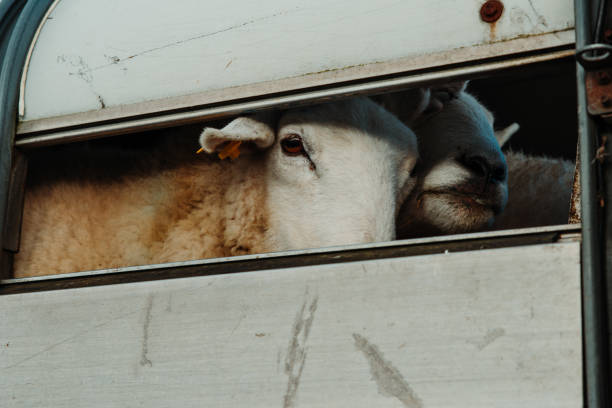
Cow haulage in Nigeria is used when farmers, livestock traders, breeders and buyers need to move live cows between farms, ranches, livestock markets and different cities.
Hauling cows is different from transporting ordinary cargo. The animals need appropriate space, ventilation, secure containment and careful handling throughout the journey. For longer or interstate movements, veterinary and movement requirements also need to be considered.
What to Arrange Before Cow Haulage
Before booking a haulage vehicle, establish the details of the movement.
You should know:
- Number of cows being transported
- Pickup location
- Final destination
- Preferred travel date
- Approximate size of the cows
- Whether the journey is local or interstate
- Loading and unloading conditions
- Any special handling requirements
- Whether veterinary documentation is required
Providing these details early makes it easier to plan a suitable vehicle and route.
For interstate trade, Nigeria Agricultural Quarantine Service conducts animal health inspections and inspects trade animals at designated quarantine control posts. Nigerian law also provides for veterinary movement and loading permits for trade animals. (Nigeria Agricultural Quarantine Service)
Choosing a Truck for Cow Haulage
The truck used for live cow haulage should provide secure containment, adequate ventilation and enough room for the animals being transported.
The floor should offer sufficient grip to reduce the possibility of cows slipping when the vehicle brakes, accelerates or travels over uneven roads.
Before loading, inspect the vehicle for:
- Loose gates or panels
- Sharp edges
- Damaged flooring
- Unstable loading ramps
- Objects that could injure the animals
- Poor ventilation
The vehicle should also be appropriate for the number and size of cows being hauled. Overcrowding can make transportation more difficult and increase the risk of injuries.
Loading Cows for Haulage
Loading should be carried out carefully and without unnecessary force.
A stable loading ramp makes it easier for cows to enter the vehicle. Handlers should avoid creating unnecessary panic, particularly when the animals are unfamiliar with the truck or loading environment.
After loading, all gates and access points should be checked before departure.
The driver should also understand that live animals are being transported and avoid unnecessary harsh braking or sudden manoeuvres during the journey.
Interstate Cow Haulage in Nigeria
Long-distance cow haulage can involve several states and multiple road checkpoints.
Cows may be moved from livestock-producing areas to Abuja, Lagos or other major markets, depending on the location of the farm and buyer.
Before an interstate journey, confirm the relevant veterinary requirements and movement documentation. The NAQS Establishment Act specifically provides for inspection and disease surveillance of trade animals at interstate veterinary control posts and refers to veterinary movement and loading permits accompanying trade animals at those posts. (Nigeria Agricultural Quarantine Service)
Taking care of these requirements before departure can help reduce avoidable delays during the trip.
Hauling Cows From Farms to Livestock Markets
Livestock traders and farmers often need haulage when cows are being taken to a market for sale.
The receiving market should be confirmed before the truck leaves the farm. The driver should have the correct destination and contact details, while the seller or buyer should know approximately when the cattle are expected to arrive.
For large or busy markets, confirming the unloading point in advance can make the delivery more organised.
Cow Haulage for Breeders and Ranches
Breeders may need to move cows between farms or ranches for breeding and herd management.
These journeys may involve valuable animals, making careful handling particularly important. Inform the transport provider about any special requirements before loading.
The destination should also be prepared before the cows arrive, with a secure holding area and sufficient space for unloading.
How Much Does Cow Haulage Cost in Nigeria?
Cow haulage rates vary depending on the details of each journey.
Factors that can affect the cost include:
- Number of cows
- Size and weight of the animals
- Distance
- Pickup and delivery locations
- Vehicle requirements
- Fuel costs
- Road conditions
- Loading and unloading requirements
- Handling arrangements
- Veterinary or regulatory requirements
- Whether a return journey is needed
A short haul within the same state will have different costs from transporting a large number of cows across several states.
For a more accurate quotation, provide the haulage provider with the number of cows, pickup point, destination and preferred date.
Preparing Cows Before a Long Haul
The condition of the animals should be considered before a long journey.
If a cow appears unwell or may not be fit to travel, seek appropriate veterinary advice before transportation. Animals should also be handled carefully during preparation and loading.
For longer journeys, the transport plan should consider the animals throughout the entire trip rather than treating transportation simply as a movement of cargo.
Arranging Cow Haulage With Travo.ng
If you need cow haulage in Nigeria, Travo.ng can help coordinate the transportation and logistics around the movement where the requested livestock transport service is available.
When making an enquiry, provide the pickup location, destination, number of cows and preferred travel date. You can also explain whether the cows are being hauled from a farm to a market, between ranches, to a breeder or directly to a buyer.
This information helps the transport arrangement match the actual requirements of the journey.
Preparing for the Cows to Arrive
The destination should be ready before the truck leaves the pickup point.
Prepare a secure unloading area with enough space for the cows to settle after the journey. The person receiving the animals should also be available when the vehicle arrives.
For rural farms, confirm that the final access road can accommodate the chosen vehicle, particularly during periods of heavy rain.
Good cow haulage planning covers the complete movement from loading to final delivery. Coordinating the vehicle, route, animal handling, documentation and receiving arrangements can make the journey more organised and reduce avoidable problems.
