


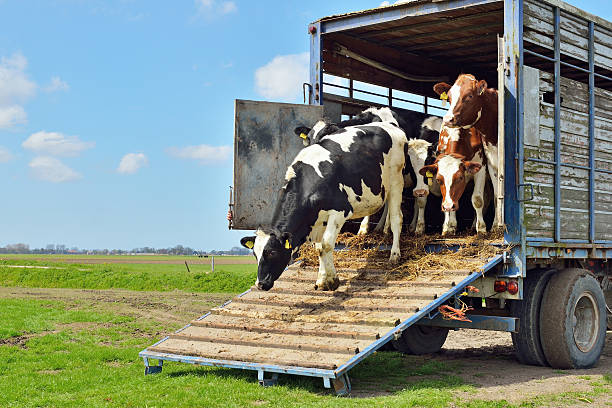
Cattle transport in Nigeria is an important part of the livestock supply chain. Farmers, breeders, traders, ranchers and buyers regularly need to move cattle between farms, ranches, livestock markets, breeding facilities and different Nigerian cities.
Because cattle are large live animals, transportation requires more than finding an available truck. The vehicle, loading process, route, animal condition, weather, travel distance and receiving arrangements all need to be considered before the journey begins.
What to Arrange Before Cattle Transport
Start by confirming the basic details of the movement:
- Number of cattle being transported
- Pickup location
- Destination
- Preferred travel date
- Approximate size of the animals
- Purpose of the movement
- Loading and unloading locations
- Any veterinary requirements
- Whether the journey is within one state or interstate
These details help determine the appropriate transport arrangement and allow potential delays along the route to be considered.
For interstate movement, veterinary and animal health requirements should be checked before departure. Nigeria Agricultural Quarantine Service carries out health inspections of live animals, including cattle, and inspects trade animals at designated quarantine control posts. (Nigeria Agricultural Quarantine Service)
Choosing a Suitable Vehicle for Cattle
The vehicle used for cattle transport should be appropriate for live-animal movement and provide adequate ventilation and secure containment.
The floor should provide sufficient grip because cattle can become unstable when a vehicle brakes suddenly or travels over poor road surfaces. Gates and side panels should also be strong enough to prevent animals from escaping.
The number of cattle loaded should be planned according to the available space and the size of the animals. Excessive crowding can make the journey more stressful and increase the risk of injuries.
Loading Cattle Without Unnecessary Stress
Loading is one of the most important parts of cattle transportation.
Cattle should be moved calmly into the vehicle using a properly prepared loading area. Avoid unnecessary shouting, aggressive handling or forcing animals through unsafe spaces.
Before the vehicle leaves, check that:
- All gates are properly secured
- The loading ramp is stable
- The floor is not dangerously slippery
- There are no sharp objects or exposed edges
- The animals have adequate space
- The driver understands that live cattle are being transported
Good loading practices can reduce injuries before the journey even begins.
Cattle Transport Between Nigerian States
Long-distance cattle movement can involve several states and may take considerably longer than a local farm-to-market trip.
For example, cattle may be moved from northern livestock-producing areas toward Abuja, Lagos or other southern markets, depending on the buyer and purpose of the shipment.
Interstate cattle transport should be planned with the required veterinary documentation in mind. The NAQS Act provides for inspection and disease surveillance of trade animals at interstate veterinary control posts and requires trade animals to be accompanied by veterinary movement and loading permits at such posts. (Nigeria Agricultural Quarantine Service)
This makes it important to sort out the necessary documentation before the cattle are loaded.
Transporting Cattle From a Farm to a Market
Farmers and cattle traders often need transport when animals are ready for sale.
The receiving market or buyer should be informed before departure. Confirm the exact delivery point and make sure someone will be available to receive and unload the cattle.
For busy livestock markets, this coordination can prevent the vehicle from waiting unnecessarily after completing a long journey.
Moving Breeding Cattle
Breeding cattle may require additional attention because of their value and the importance of maintaining their condition during transportation.
The owner should communicate any special handling requirements before the vehicle arrives. The destination should also have a suitable holding area ready for the animals.
If veterinary documentation or health certification is required for the particular movement, this should be arranged before departure rather than during the journey.
How Much Does Cattle Transport Cost in Nigeria?
There is no single cattle transport price that applies to every journey in Nigeria.
The final cost can depend on:
- Number of cattle
- Size and weight of the animals
- Distance
- Pickup and delivery locations
- Type of vehicle required
- Fuel and road conditions
- Loading and unloading arrangements
- Driver and handling requirements
- Veterinary or regulatory requirements
- Whether the vehicle needs to make a return trip
Moving a small number of cattle over a short distance will have different costs from transporting a larger group across several states.
For a more accurate quotation, provide the transport provider with the number of cattle, pickup location, destination and intended travel date.
Preparing Cattle for a Long Journey
Cattle should be assessed before transportation, particularly when the journey will take many hours.
Owners should identify animals that may require veterinary attention before travelling and ensure that the cattle are handled appropriately during preparation and loading.
For longer movements, the transport plan should account for the animals’ welfare throughout the journey rather than focusing only on getting them onto the truck.
Any required veterinary inspection or movement documentation should also be addressed before departure.
Arranging Cattle Transport With Travo.ng
If you need cattle transport in Nigeria, Travo.ng can help coordinate the transportation and logistics around the movement where the requested livestock transport service is available.
Provide the pickup location, destination, number of cattle and preferred date. If there are special requirements, such as farm pickup, livestock market delivery or interstate transportation, mention them when making the request.
Proper planning allows the transport arrangement to cover the entire journey from the farm or ranch to the final destination.
Preparing for the Cattle to Arrive
The destination should be ready before the cattle leave the pickup point.
Prepare a secure area where the animals can be unloaded safely, with suitable space and access to water. Someone responsible for receiving the cattle should also be available when the vehicle arrives.
For commercial deliveries, confirm the buyer’s location, phone number and unloading point before departure.
Cattle transport is ultimately about coordinating the animals, vehicle, route, documentation and receiving arrangements together. When each part is planned properly, live cattle can be moved more efficiently and with fewer avoidable problems.
