


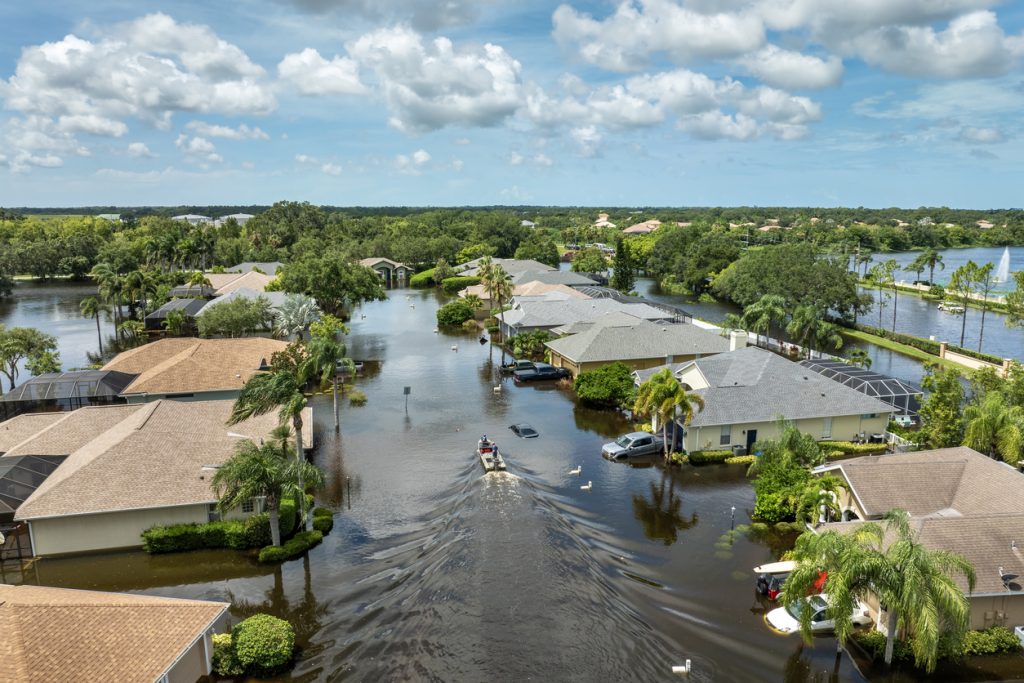
Flooding in Lagos can turn a normal business day into an emergency logistics operation. Once water begins rising around warehouses, shops, markets, or storage facilities, business owners may have only a short window to move valuable inventory before roads become difficult to access.
Planning stock relocation during flooding Lagos is therefore less about finding any available vehicle and more about moving goods quickly, safely, and in the right order. Businesses need drivers who understand alternative routes, suitable vehicles for the type of stock involved, and reliable coordination between the pickup and temporary storage locations.
Travo.ng can support businesses with vehicle hire, cargo movement, delivery coordination, and other logistics arrangements when stock needs to be moved within Lagos or transferred to another city.
What Should Be Moved First When Flooding Starts?
Trying to relocate an entire warehouse at once can waste valuable time. Businesses should first identify the inventory that would suffer the biggest financial loss if floodwater entered the premises.
Priority stock may include:
- Electronics and electrical equipment
- Packaged food and beverages
- Pharmaceuticals and medical supplies
- Clothing and textiles
- Paper products and cartons
- Imported goods awaiting distribution
- Business documents and sensitive equipment
Stock already stored on pallets or close to loading areas can usually be evacuated faster.
For example, a distributor operating around Trade Fair, Apapa, or parts of the Lagos mainland may decide to move high-value cartons first while raising heavier, lower-value inventory above floor level until additional vehicles arrive.
Lagos Flooding Can Change Your Delivery Route Quickly
A route that works in the morning may become difficult several hours later after sustained rainfall.
Areas around Lekki, Victoria Island, Ajah, Ikoyi, the mainland, and some industrial corridors can experience serious traffic disruption when drainage systems become overwhelmed. Flooding also increases congestion because drivers begin avoiding affected roads and concentrating on the few routes that remain passable.
That is why emergency relocation should include route monitoring rather than simply giving a driver a pickup and destination.
If stock is being moved from Lekki to Ikeja, for instance, the logistics team may need to reconsider the normal route depending on rainfall, traffic conditions, and access around the pickup property.
Travo.ng can help coordinate vehicles and cargo movements while considering these practical Lagos road conditions.
Choosing the Right Vehicle for Emergency Stock Movement
The cheapest vehicle is not always the best option during flooding.
Small quantities of cartons may fit into a van, while larger inventory could require a covered pickup, mini truck, or larger cargo vehicle. Waterproof protection is particularly important for products that can be damaged by moisture.
Before booking a vehicle, confirm:
- Approximate number of cartons or pallets
- Estimated weight of the goods
- Whether loading assistance is required
- Pickup accessibility during rainfall
- Destination and unloading arrangements
- Whether more than one trip will be necessary
Businesses should also avoid overloading vehicles simply because they want to reduce the number of trips. An overloaded vehicle is harder to operate safely on wet or damaged roads.
Where Should Relocated Stock Be Taken?
Moving inventory out of a flooded location solves only half the problem. The receiving location must also be ready.
Some businesses temporarily move goods to another branch, a partner’s warehouse, a safer storage facility, or a distribution centre in another part of Lagos.
Others use flooding as a reason to move inventory outside Lagos completely. Stock may be transported to warehouses or customers in places such as Ibadan, Abeokuta, Benin City, or Abuja depending on the business’s distribution network.
Before dispatching any vehicle, confirm that someone will be available to receive the goods and that the destination has enough dry storage space.
Avoid Waiting Until Water Reaches the Warehouse
One of the most expensive mistakes businesses make is waiting until flooding becomes severe before arranging transport.
Once several businesses in the same area start requesting trucks simultaneously, vehicle availability can tighten. Loading also becomes slower when staff are working around standing water, blocked entrances, or heavy traffic.
Businesses located in flood-prone parts of Lagos should already have basic information prepared, including alternative storage locations, approximate stock volume, emergency contacts, and suitable vehicle types.
When heavy rainfall creates an immediate risk, Travo.ng can assist with stock relocation during flooding Lagos, cargo logistics, vehicle hire, delivery coordination, and interstate movement where required.
The objective is simple: move vulnerable inventory before flooding turns a manageable logistics problem into a major business loss.
