


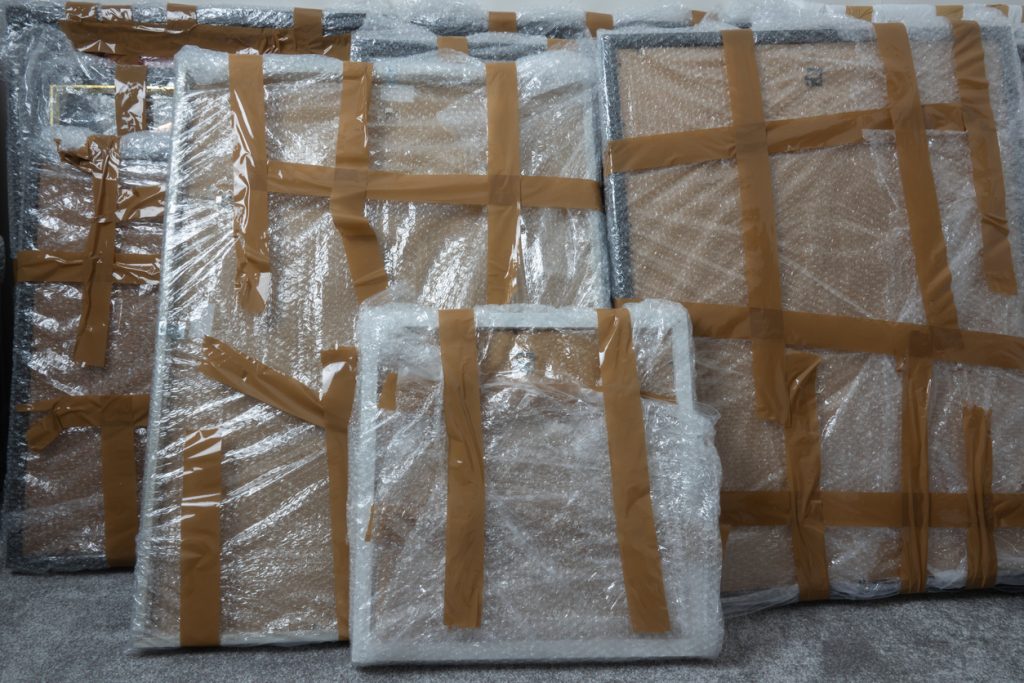
Moving to another country is exciting, but anyone who has gone through the process knows it can quickly become overwhelming. Between packing household items, handling documentation, arranging international shipping, booking travel, and settling into a new destination, there are countless details that can cause delays, unexpected costs, and stress.
This is why many individuals, families, and businesses now rely on professional international relocation services Nigeria providers to coordinate the process from start to finish.
Whether you are relocating from Lagos to London, Abuja to Dubai, Port Harcourt to Toronto, or relocating employees abroad for work assignments, proper planning can make the difference between a smooth transition and a frustrating experience.
What Most People Underestimate About Moving Abroad
Many first-time international movers focus primarily on visa approvals and flight tickets. In reality, transporting personal belongings is often one of the most complex parts of the journey.
A typical international relocation may involve:
- Household goods shipping
- Customs documentation
- Cargo clearance procedures
- Temporary storage solutions
- Airport logistics
- Travel bookings
- Destination delivery coordination
For example, a family relocating from Lekki to Manchester may need to ship furniture, electronics, kitchen equipment, and personal effects while also coordinating flights and temporary accommodation before securing permanent housing.
Without professional coordination, delays at ports or incomplete paperwork can significantly increase costs.
Choosing the Right Shipping Method for Your Move
One of the first decisions during an international relocation is selecting the most suitable shipping option.
Air Freight
Air freight is ideal for:
- Essential personal belongings
- Important documents
- Business equipment
- Urgent deliveries
While faster, it is usually more expensive than sea freight.
Sea Freight
Sea freight is often preferred for:
- Full household relocations
- Furniture shipments
- Bulk cargo
- Long-term international moves
Although transit times are longer, sea freight can significantly reduce transportation costs for larger shipments.
Many Nigerians relocating to the UK, Canada, the United States, or Europe choose sea freight when moving complete households.
Common Delays That Affect International Relocations
Over the years, several recurring issues have caused avoidable relocation delays.
Some of the most common include:
- Incorrect cargo documentation
- Incomplete customs declarations
- Last-minute packing arrangements
- Restricted items included in shipments
- Poor coordination between shipping and travel schedules
For instance, sending electronics, batteries, or certain food items without checking destination regulations can lead to customs inspections and unexpected delays.
Working with experienced relocation professionals helps identify these issues before shipment begins.
What It Typically Costs to Relocate Internationally
Relocation costs vary depending on destination, shipment size, and transportation method.
While exact pricing differs from project to project, typical factors affecting costs include:
- Destination country
- Cargo volume
- Shipping method
- Customs duties
- Insurance coverage
- Storage requirements
- Delivery distance
A small personal shipment from Lagos to London may cost significantly less than relocating an entire family household from Abuja to Toronto.
This is why obtaining a detailed relocation assessment before shipping is always advisable.
Why Businesses Need Professional Relocation Support
International relocation is not only for individuals.
Many Nigerian companies regularly move employees, project teams, and specialized equipment across international borders.
Business relocations often require:
- Employee travel coordination
- Cargo transportation
- Temporary accommodation bookings
- Airport transfers
- Documentation support
- Delivery scheduling
Delays can affect project timelines and increase operational costs, making professional logistics support essential.
Planning Your Move at the Right Time
Timing plays a major role in successful international relocation.
Peak travel periods often create higher demand for:
- International flights
- Cargo space
- Temporary accommodation
- Shipping services
Many relocation experts recommend beginning preparations at least six to eight weeks before departure, especially for moves involving large household shipments.
Early planning provides more flexibility and helps reduce last-minute expenses.
How Travo.ng Supports International Relocations
At Travo.ng, relocation support goes beyond simply moving boxes from one country to another.
Customers often require a combination of services, including:
- International cargo logistics
- Travel bookings
- Airport pickup arrangements
- Business travel support
- Delivery coordination
- Vehicle transportation assistance
- Temporary logistics planning
Because relocation involves both travel and logistics, having one provider coordinate multiple aspects of the process can simplify planning and reduce communication gaps.
For individuals, families, and businesses preparing for an overseas move, Travo.ng provides practical support backed by local operational experience and a strong understanding of Nigerian travel and logistics realities.
A successful international move is rarely about speed alone. It is about proper coordination, accurate documentation, realistic planning, and reliable logistics execution. With the right support, relocating abroad becomes significantly easier, allowing you to focus on settling into your new destination rather than worrying about the journey itself.
