


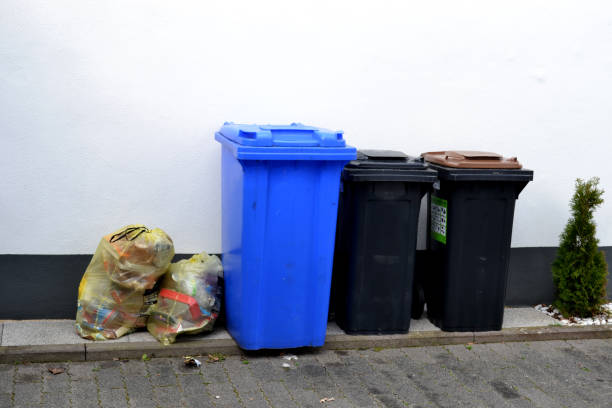
Food waste recycling in Lagos is becoming more important for restaurants, supermarkets, hotels, caterers, estates, and households dealing with large amounts of leftover food every day. Throwing everything into general waste may seem easier, but it often leads to leaking bins, unpleasant smells, pests, blocked drainage areas, and higher waste-handling pressure.
The challenge is especially noticeable in busy commercial areas such as Lekki, Victoria Island, Ikeja, Yaba, Surulere, and Lagos Island, where food businesses can generate several bags of organic waste after just one busy service period.
A better system starts with separating food waste properly and arranging dependable collection before it becomes a sanitation problem.
What Can Actually Be Recycled From Food Waste
Not every item coming out of a kitchen should enter the same waste stream.
Common organic materials that can be separated include:
- Fruit and vegetable peelings
- Spoilt produce
- Rice, bread, pasta, and other leftovers
- Coffee grounds and tea waste
- Eggshells
- Food preparation scraps
- Unsold or expired food without packaging
Plastic takeaway packs, bottles, aluminium cans, nylon, and glass should normally be separated from organic waste.
This sorting should happen where the waste is produced. Trying to separate everything after it has been mixed together is slower, dirtier, and less effective.
Restaurants Need a Collection Schedule That Matches Their Operations
A restaurant serving hundreds of meals daily cannot manage waste the same way as a small household.
For businesses around Lekki Phase 1, Victoria Island, Ikeja GRA, or Lagos Island, food waste may need to be removed several times each week depending on storage space and daily volumes.
Waiting until bins are overflowing creates avoidable problems.
During hot Lagos weather, decomposing food can start smelling quickly. Businesses should therefore use covered containers and arrange collection according to how much waste they actually generate rather than following an arbitrary weekly schedule.
Travo.ng can support businesses that need coordinated waste collection and other logistics arrangements across Lagos.
Food Waste Recycling in Lagos Starts With Proper Separation
One mistake many businesses make is putting food scraps, disposable plates, nylon, bottles, and cleaning waste inside one bin.
That makes recovery much harder.
A practical kitchen setup can use clearly labelled containers for organic waste, recyclable packaging, and general non-recyclable waste. Staff should also know which container to use, especially during busy periods when kitchens are under pressure.
For hotels, supermarkets, event centres, and larger restaurants, assigning responsibility to a particular staff member can improve compliance significantly.
What Happens After Food Waste Is Collected
Depending on the recycling arrangement, organic waste may be directed toward composting, agricultural applications, animal-feed processes where appropriate, or other approved recovery methods.
The important point is that collection should connect to an actual waste-management process rather than simply moving rubbish from one location to another.
Businesses arranging food waste recycling in Lagos should therefore understand who collects the waste, how frequently pickups happen, what materials are accepted, and where the separated organic waste goes afterward.
Reduce Waste Before Paying to Move It
Recycling is useful, but preventing unnecessary waste can save even more money.
Restaurants can monitor frequently returned meals, supermarkets can improve stock rotation, and hotels can compare buffet preparation with actual guest consumption.
A food business throwing away several trays of the same meal every evening probably has a forecasting problem rather than simply a disposal problem.
Better purchasing, storage, portion control, and inventory monitoring can reduce both food costs and the amount of waste requiring collection.
Arrange Reliable Food Waste Collection With Travo.ng
Lagos businesses need waste systems that work around operating hours, traffic, available storage, and the amount of waste produced.
Travo.ng can help coordinate food waste recycling in Lagos alongside practical collection, transport, and business logistics support. Whether the requirement involves a restaurant, supermarket, hotel, residential estate, catering operation, or commercial facility, collection can be planned around the actual volume and frequency involved.
Separating waste properly, reducing avoidable food losses, and arranging dependable pickups creates a cleaner operation and makes organic waste easier to recover instead of allowing it to become another sanitation problem.
