


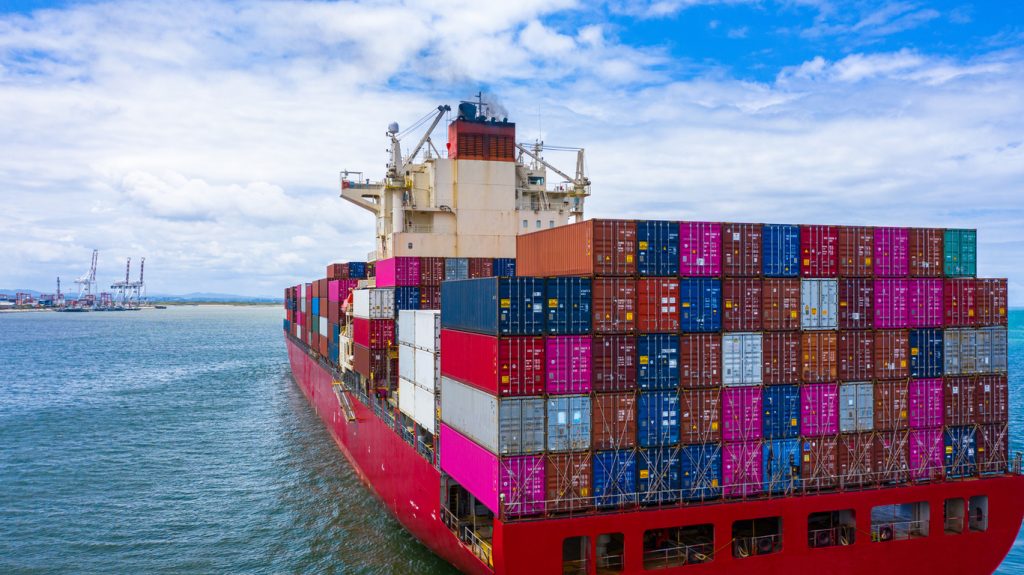
Importing goods into Nigeria involves much more than shipping products from an overseas supplier. The cargo has to move through an international transport network, arrive at a Nigerian port or airport, pass through documentation and regulatory procedures, clear customs and eventually reach the importer’s warehouse, shop or customer.
This entire process is what makes import logistics in Nigeria important. Poor coordination at any stage can result in delays, additional storage charges, demurrage, transportation problems or unexpected costs.
How Import Logistics Works in Nigeria
A typical import shipment follows several connected stages:
- The importer purchases goods from an overseas supplier.
- The supplier prepares the cargo and shipping documents.
- The goods are transported by sea or air.
- The shipment arrives at a Nigerian port or airport.
- Customs and other relevant agencies process the shipment.
- Duties, taxes and applicable charges are paid.
- The cargo is inspected, scanned or released as applicable.
- The shipment is evacuated from the port or airport.
- Inland transportation takes the goods to their final destination.
Nigeria’s major maritime gateways include Apapa, Tin Can Island, Onne, Lekki Deep Seaport, Port Harcourt, Calabar, Warri and PTML. Airports, particularly Lagos and Abuja, also handle high-value and time-sensitive imports. (Nigeria Customs Service)
Sea Freight or Air Freight for Imports?
The choice between sea and air freight depends on the type of goods and how quickly they are needed.
Sea freight is generally appropriate for large commercial shipments, containers, machinery and goods that can tolerate longer transit times.
Air freight can be more suitable for smaller, urgent or high-value shipments where speed is more important than the higher transportation cost.
Importers should compare the total landed cost rather than looking only at the initial freight quotation. A cheaper shipping option may still become expensive if it results in longer storage, delayed delivery or additional handling costs.
Customs Is Only One Part of Import Logistics
Customs clearance is an important part of importing, but it is not the entire logistics process.
Nigeria’s import environment involves several parties, including the Nigeria Customs Service, Nigerian Ports Authority, terminal operators, shipping lines, freight forwarders and other government agencies depending on the goods.
The Nigeria Customs Service handles areas such as classification, valuation, examination and revenue collection. Other agencies can become involved where goods require specific regulatory or safety checks. (Nigeria Customs Service)
This means an importer needs to coordinate the whole movement of the shipment rather than focusing only on customs duty.
Documents You Need to Prepare
Documentation should be organised before the shipment reaches Nigeria.
Depending on the goods and transaction, importers may need:
- Tax Identification Number
- Form M
- Commercial invoice
- Packing list
- Bill of lading or airway bill
- Pre-Arrival Assessment Report where applicable
- Customs declaration
- Relevant certificates and permits
- Product-specific regulatory approvals
Nigeria Customs currently processes important customs procedures electronically through its Unified Customs Management System, known as B’Odogwu. This includes processes covering Form M, declarations, assessment and release. (Nigeria Customs Service)
Incorrect information between documents can create additional questions or delays during clearance.
Understanding Import Duty and Landed Cost
Import duty is only one part of the final cost of bringing goods into Nigeria.
Depending on the shipment, the importer may need to account for:
- Purchase price
- International freight
- Insurance
- Customs duty
- VAT and applicable levies
- Terminal charges
- Shipping line charges
- Customs clearance costs
- Storage
- Demurrage
- Inland transportation
- Delivery to the final destination
Customs valuation is based primarily on transaction value under Nigeria’s current framework, while the applicable tariff rate depends on the classification of the goods under the tariff system. (Nigeria Customs Service)
Because tariff rates and applicable measures can change, importers should confirm the current requirements before shipping rather than relying on an old calculation.
What Causes Import Logistics Delays?
Import delays can occur at different points in the supply chain.
Common causes include:
- Incomplete documentation
- Incorrect HS classification
- Customs valuation questions
- Physical examination
- Regulatory approvals
- Port congestion
- Terminal procedures
- Delayed shipping documentation
- Storage and demurrage
- Difficulty securing trucks
- Poor coordination between different service providers
Nigeria’s own Time Release Study identifies the port environment as a multi-agency system involving Customs, terminal operators, shipping companies, freight forwarders and other government agencies. The interaction between these parties can affect how quickly cargo moves from arrival to final release. (Nigeria Customs Service)
Planning the Inland Movement of Imported Goods
One mistake importers make is arranging transportation only after cargo has been released.
If the goods are arriving through Lagos, for example, the importer should already know how the cargo will move from the port to its warehouse or onward destination.
The plan should consider:
- Truck availability
- Cargo type and vehicle requirements
- Destination
- Port exit procedures
- Traffic conditions
- Delivery timing
- Loading and unloading arrangements
- Security requirements where relevant
This becomes even more important for businesses moving goods from Lagos to Abuja, Ibadan, Kano, Port Harcourt or other parts of Nigeria.
How Travo.ng Can Support Import Logistics in Nigeria
Travo.ng can support the transportation and delivery side of an import logistics operation.
For example, after imported goods have completed the necessary port, airport and customs procedures, a business may need to move cargo from the collection point to a warehouse, distribution centre, shop or customer in another city.
Travo.ng can help coordinate cargo transportation, delivery and vehicle hire based on the logistics requirement. This can be useful for businesses that have already arranged international freight but need help managing the next stage of the journey.
Travo.ng is not the Nigeria Customs Service, a port authority or a replacement for a specialist customs-clearing agent. Its role is to support the wider transport and logistics movement surrounding an import shipment.
How Businesses Can Reduce Import Problems
The best time to solve an import logistics problem is before the goods leave the supplier.
Before shipping, confirm the product classification, documentation, applicable regulatory requirements, expected duties and the estimated cost of moving the goods after arrival.
It is also useful to have a delivery plan ready before cargo reaches the port. This reduces the risk of paying unnecessary storage or waiting for transportation after release.
For businesses importing regularly, maintaining reliable relationships with freight, customs, transport and delivery providers can also make the process easier to manage.
Import Logistics Is a Complete Supply Chain
Successful importing does not end when a container arrives in Nigeria. The shipment still has to pass through the required procedures and reach its final destination safely and efficiently.
A practical import logistics plan therefore connects international freight, documentation, customs, port operations, cargo evacuation and inland delivery.
Businesses that plan these stages together have better visibility over their costs and are in a stronger position to manage delays when they occur.
